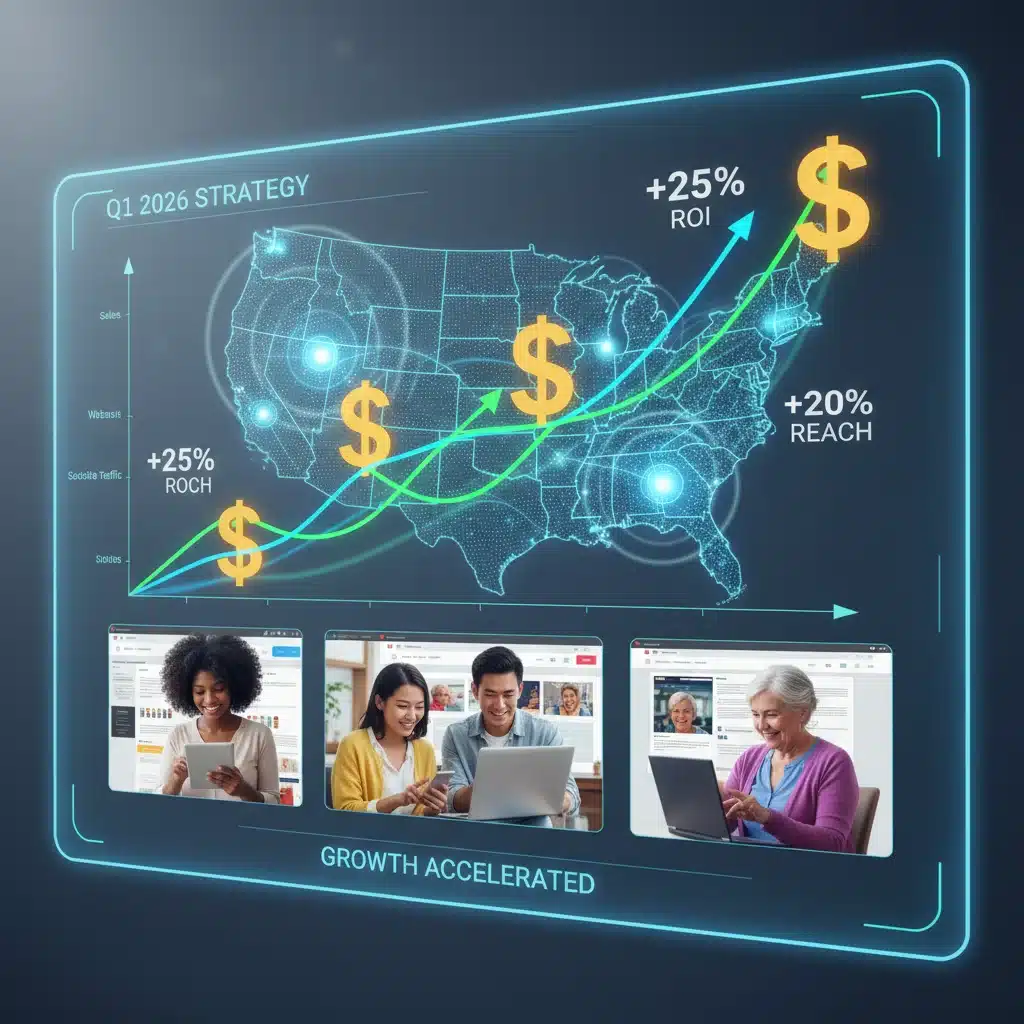
Maximizing E-commerce Brand Reach in Q1 2026: A US Strategy with Financial Impact
The e-commerce landscape is in perpetual motion, demanding agility and foresight from businesses aiming to thrive. As we look towards Q1 2026, US e-commerce brands face a unique opportunity to consolidate their market position and significantly expand their brand reach. This comprehensive guide outlines a strategic framework, leveraging a 10% increase in marketing budget, to achieve substantial financial impact and solidify your brand’s presence in the competitive digital marketplace. Understanding the nuances of consumer behavior, technological advancements, and market trends is paramount to crafting a strategy that not only resonates but also delivers measurable results. This article will delve deep into actionable strategies, from optimizing your digital presence to harnessing the power of emerging technologies, all geared towards boosting your ecommerce brand reach.
The first quarter of any year sets the tone for the subsequent months, making Q1 2026 a critical period for strategic investment and execution. With a 10% budget increase, businesses are empowered to explore new avenues and amplify existing efforts, transforming potential into palpable growth. Our focus will be on how this additional capital can be strategically allocated to yield the highest possible return on investment, focusing specifically on how to broaden your audience, deepen engagement, and ultimately drive sales within the US market. The goal is not just to spend more, but to spend smarter, ensuring every dollar contributes to a stronger, more visible brand. This meticulous approach to budget allocation is what differentiates successful campaigns from those that merely tread water. We will explore various channels and tactics, each designed to contribute to an overarching strategy that maximizes your ecommerce brand reach.
Understanding the Q1 2026 E-commerce Landscape in the US
Before diving into specific strategies, it’s crucial to understand the prevailing conditions of the US e-commerce market as we approach Q1 2026. Consumer expectations are higher than ever, driven by personalized experiences and seamless omnichannel interactions. The rise of Gen Z as a dominant purchasing power, coupled with the continued influence of Millennials, necessitates a mobile-first, socially integrated approach. Furthermore, privacy regulations continue to evolve, requiring brands to adopt transparent and ethical data practices. Supply chain resilience, accelerated by recent global events, remains a key differentiator, impacting customer satisfaction and brand loyalty. Brands that can promise and deliver efficient, reliable shipping will undoubtedly gain a competitive edge. The competitive landscape is also intensifying, with new players constantly emerging and established brands innovating at a rapid pace. To truly maximize ecommerce brand reach, a deep understanding of these dynamics is essential.
Key Trends Shaping US E-commerce for Q1 2026:
- Hyper-Personalization at Scale: AI-driven recommendations, customized content, and tailored offers are no longer a luxury but a necessity. Leveraging data to create individual customer journeys will significantly boost engagement and conversion rates.
- Social Commerce Dominance: Platforms like TikTok, Instagram, and Pinterest are evolving into powerful shopping destinations. Live shopping events, in-app purchases, and influencer collaborations will be critical for reaching younger demographics.
- Sustainable and Ethical Consumption: Consumers are increasingly scrutinizing brands’ environmental and social impact. Transparency in sourcing, manufacturing, and ethical labor practices can build trust and attract a loyal customer base.
- Augmented Reality (AR) and Virtual Reality (VR) Shopping: While still nascent, AR/VR experiences for ‘try-before-you-buy’ or immersive product demonstrations are gaining traction and can offer a significant competitive advantage.
- Voice Commerce Integration: Optimizing for voice search and enabling purchases through smart speakers and virtual assistants will cater to a growing segment of tech-savvy consumers.
- Subscription Economy Growth: Recurring revenue models, from curated boxes to essential replenishments, continue to gain popularity, fostering customer loyalty and predictable income streams.
- Data Privacy and Trust: With stricter regulations and increased consumer awareness, brands must prioritize data security and clearly communicate their privacy policies to build and maintain trust.
- Seamless Omnichannel Experiences: The distinction between online and offline is blurring. Customers expect a consistent and integrated experience across all touchpoints, whether in-store, on a website, or via a mobile app.
Navigating these trends effectively is the bedrock of any successful Q1 2026 strategy aimed at expanding ecommerce brand reach. By anticipating and adapting to these shifts, businesses can position themselves for sustained growth and market leadership.
Strategic Allocation of the 10% Budget Increase for Maximum Reach
The additional 10% marketing budget is a powerful tool, but its effectiveness hinges on strategic allocation. Rather than spreading it thinly across all channels, focus on areas that offer the highest potential for expanding your ecommerce brand reach and delivering a strong ROI. This increase allows for experimentation and amplification, pushing boundaries while reinforcing core strengths.
1. Amplifying Digital Advertising Campaigns
An increased budget allows for more aggressive and sophisticated digital advertising. This isn’t just about spending more; it’s about optimizing ad spend for better targeting, creative refresh, and channel diversification.
- Paid Social Media (Meta, TikTok, Pinterest): Invest in advanced targeting options, A/B test diverse ad creatives, and explore new ad formats like shoppable videos and augmented reality filters. Focus on platforms where your target demographic is most active. For Q1 2026, consider dedicated campaigns around post-holiday sales and early spring collections, meticulously tracking performance to optimize spend and expand your ecommerce brand reach.
- Search Engine Marketing (SEM): Expand keyword portfolios, particularly long-tail keywords, and increase bids on high-performing terms. Explore Google Shopping Ads and Performance Max campaigns for broader product visibility. Consider competitor bidding strategies where financially viable to capture market share.
- Programmatic Advertising: Leverage data-driven programmatic platforms to reach highly specific audiences across various websites and apps. This allows for precise targeting based on demographics, interests, and browsing behavior, enhancing efficiency and minimizing wasted ad spend.
- Influencer Marketing: Allocate a portion of the budget to collaborate with micro and nano-influencers whose audiences align perfectly with your brand. Their authentic engagement often yields higher conversion rates and extends your ecommerce brand reach more organically than traditional advertising.
- Retargeting and Remarketing: Increase investment in retargeting campaigns to re-engage users who have previously interacted with your site or abandoned their carts. Personalized ads based on their browsing history can significantly improve conversion rates.
2. Enhancing Content Marketing and SEO
Content remains king, and a 10% budget increase provides an excellent opportunity to bolster your content strategy, which is fundamental for organic ecommerce brand reach.
- High-Quality Blog Content: Invest in creating in-depth, valuable blog posts that address customer pain points, offer solutions, and showcase product benefits. Focus on SEO optimization with relevant keywords to rank higher in search results. Consider video content and interactive elements to increase engagement.
- Video Marketing: Produce engaging product demonstration videos, behind-the-scenes content, customer testimonials, and short-form videos for social media. Video has a higher retention rate and can significantly improve conversion. YouTube and TikTok will be crucial platforms for Q1 2026.
- SEO Audit and Optimization: Conduct a thorough technical SEO audit to identify and fix issues hindering your search rankings. Optimize existing content, build high-quality backlinks, and ensure your site is mobile-friendly and loads quickly. This foundational work directly impacts your organic ecommerce brand reach.
- User-Generated Content (UGC) Campaigns: Encourage customers to share their experiences with your products through contests and incentives. UGC is highly authentic and acts as powerful social proof, expanding your brand’s credibility and reach.
- Podcast Sponsorships/Advertising: Explore sponsoring relevant podcasts that cater to your target audience. This can be a highly effective way to reach engaged listeners in a less saturated advertising environment, boosting your ecommerce brand reach through auditory channels.
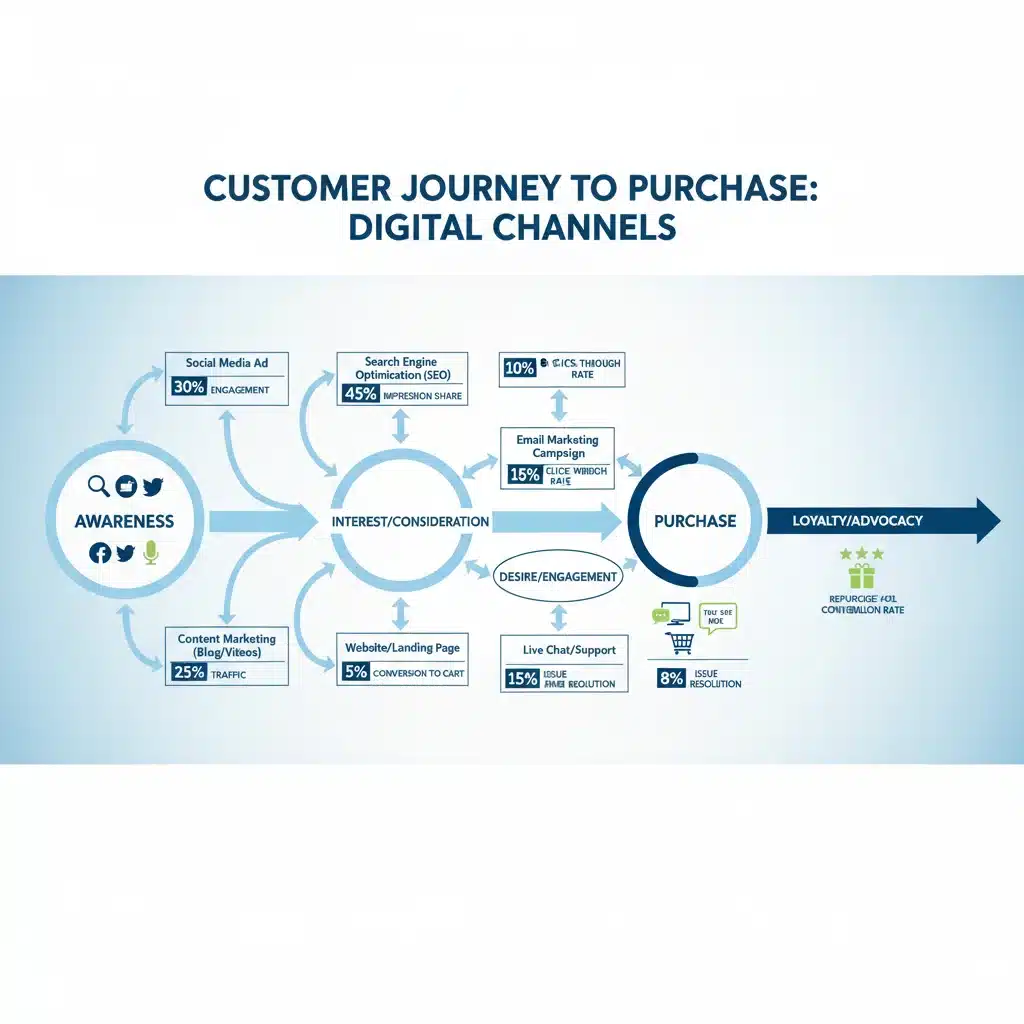
Leveraging Technology and Data for Deeper Impact
Technology and data analytics are the backbone of modern e-commerce. A budget increase allows for investment in tools and platforms that provide deeper insights and automate processes, ultimately scaling your ecommerce brand reach more efficiently.
3. Investing in Advanced Analytics and AI Tools
- Customer Data Platforms (CDPs): Implement or upgrade your CDP to unify customer data from various touchpoints. This provides a 360-degree view of your customers, enabling hyper-personalization across all marketing efforts.
- AI-Powered Personalization Engines: Utilize AI to deliver personalized product recommendations, dynamic content, and tailored email campaigns. These tools learn from customer behavior and adapt in real-time, significantly improving engagement and conversion.
- Predictive Analytics: Employ predictive models to forecast customer behavior, identify potential churn risks, and anticipate future trends. This proactive approach allows for more effective campaign planning and resource allocation, enhancing your ability to expand ecommerce brand reach.
- Marketing Automation Platforms: Streamline email marketing, social media scheduling, and ad campaign management. Automation frees up valuable time for your team to focus on strategic initiatives rather than repetitive tasks.
4. Optimizing User Experience (UX) and Conversion Rate Optimization (CRO)
A wider reach is only valuable if your website can convert visitors into customers. Invest in improving the user journey and optimizing conversion points.
- A/B Testing and Multivariate Testing: Allocate budget to rigorously test different website elements – headlines, calls-to-action, product descriptions, checkout flows – to identify what resonates best with your audience and drives conversions.
- Mobile Responsiveness and Performance: Ensure your e-commerce site offers a flawless experience on all devices. Google’s mobile-first indexing means a poor mobile experience can severely impact your search rankings and thus your ecommerce brand reach. Optimize loading speeds, simplify navigation, and streamline the checkout process for mobile users.
- Personalized On-Site Experience: Use data to personalize website content, product displays, and promotions based on user behavior, location, and purchase history.
- Enhanced Customer Support: Invest in AI-powered chatbots for instant query resolution and efficient live chat services. Excellent customer support builds trust and encourages repeat business, which indirectly supports ecommerce brand reach through positive word-of-mouth.
Expanding Market Presence and Partnerships
Beyond digital channels, strategic partnerships and market expansion initiatives can significantly amplify your ecommerce brand reach, particularly within the diverse US market.
5. Strategic Partnerships and Collaborations
- Co-Marketing with Complementary Brands: Partner with non-competing businesses that share a similar target audience. This can involve joint promotions, bundled offers, or cross-promotion on social media, exposing your brand to new customer segments.
- Affiliate Marketing Programs: Expand or launch an affiliate program, incentivizing partners to promote your products. This performance-based model allows you to scale your reach without upfront costs, paying only for successful conversions.
- Marketplace Expansion: If not already present, explore selling on major US marketplaces like Amazon, eBay, Walmart, or Etsy, depending on your product category. These platforms offer immediate access to vast customer bases, significantly boosting your ecommerce brand reach.
- Local Community Engagement: For brands with a regional focus or brick-and-mortar presence, invest in local sponsorships, events, or collaborations with local businesses to build community trust and buzz.
6. Exploring New Geographies and Demographics within the US
The US is a vast and diverse market. Use your increased budget to conduct market research and identify underserved regions or demographics that align with your brand.
- Targeted Regional Campaigns: Develop marketing campaigns specifically tailored to certain states or cities, considering local cultural nuances and consumer preferences. This highly localized approach can be incredibly effective for expanding ecommerce brand reach.
- Demographic-Specific Marketing: If your current marketing primarily targets one demographic, use the budget to research and develop campaigns for new segments, such as different age groups, income brackets, or interest groups.
- Multilingual Support: For brands looking to reach diverse populations within the US, consider offering website content and customer support in languages other than English, such as Spanish.

Measuring Financial Impact and ROI for Q1 2026
A 10% budget increase implies a commitment to growth, and demonstrating the financial impact of this investment is crucial. Robust measurement and analysis are non-negotiable for proving the efficacy of your strategy and justifying future allocations. Every initiative aimed at increasing ecommerce brand reach must be tied back to quantifiable financial metrics.
Key Performance Indicators (KPIs) to Track:
- Customer Acquisition Cost (CAC): Monitor CAC across different channels to identify the most cost-effective ways to acquire new customers. A lower CAC indicates more efficient budget utilization.
- Customer Lifetime Value (CLTV): Understand the long-term value of your customers. A higher CLTV, particularly when compared to CAC, signifies a healthy and sustainable business model and validates your efforts to boost ecommerce brand reach.
- Return on Ad Spend (ROAS): This metric directly measures the revenue generated for every dollar spent on advertising. Aim for a consistently positive and improving ROAS.
- Conversion Rate: Track the percentage of website visitors who complete a desired action (e.g., make a purchase). Improvements here directly impact revenue.
- Website Traffic (Organic vs. Paid): Monitor both overall traffic and the breakdown between organic and paid sources. An increase in organic traffic signals successful SEO and content marketing efforts, contributing to sustainable ecommerce brand reach.
- Brand Mentions and Sentiment: Use social listening tools to track how often your brand is mentioned across social media and online forums, and analyze the sentiment (positive, negative, neutral). This provides qualitative insight into your growing ecommerce brand reach.
- Market Share: While harder to measure precisely, track your market share within your niche to understand your competitive standing.
- Average Order Value (AOV): Monitor if your strategies are encouraging customers to spend more per transaction, through tactics like upselling and cross-selling.
Establishing a Robust Attribution Model:
With multiple marketing channels at play, understanding which touchpoints contribute to a conversion is vital. Implement an advanced attribution model (e.g., multi-touch attribution) to accurately credit each marketing effort, rather than relying solely on last-click attribution. This will provide a clearer picture of the ROI from your increased budget and help optimize future spending to further enhance ecommerce brand reach.
Regular Reporting and Optimization:
Set up weekly or bi-weekly reporting cycles to review performance against your Q1 2026 goals. Be prepared to pivot and reallocate budget based on real-time data. The digital landscape is dynamic, and continuous optimization is key to maximizing your financial impact and consistently expanding ecommerce brand reach.
Challenges and Mitigation Strategies for Q1 2026
While the prospect of increasing ecommerce brand reach with an enhanced budget is exciting, potential challenges must be anticipated and addressed proactively.
1. Increased Competition:
As the market grows, so does the competition. Many brands will be vying for consumer attention. Mitigation involves continuous market research, differentiation through unique value propositions, and agile campaign optimization to stay ahead.
2. Data Privacy Concerns:
Evolving privacy regulations (e.g., state-specific laws in the US) and browser changes (e.g., deprecation of third-party cookies) can impact targeting and tracking. Mitigation strategies include investing in first-party data collection, exploring privacy-centric advertising solutions, and building trust through transparent data practices.
3. Economic Volatility:
Unforeseen economic shifts can impact consumer spending. Brands should maintain financial flexibility, diversify revenue streams, and focus on delivering exceptional value to retain existing customers and attract new ones, thereby stabilizing ecommerce brand reach even in uncertain times.
4. Talent Acquisition and Retention:
Executing an ambitious Q1 2026 strategy requires a skilled team. Invest in training existing staff, attracting top talent, and fostering a culture of innovation and continuous learning to ensure your team can effectively drive ecommerce brand reach initiatives.
5. Technological Obsolescence:
The rapid pace of technological change means tools and platforms can quickly become outdated. Stay abreast of emerging technologies, regularly evaluate your tech stack, and be prepared to invest in new solutions that offer a competitive edge and enhance your ability to expand ecommerce brand reach.
Conclusion: A Proactive Path to Enhanced E-commerce Brand Reach
The first quarter of 2026 presents a pivotal moment for US e-commerce businesses. By strategically deploying a 10% budget increase, brands can unlock unprecedented opportunities to expand their ecommerce brand reach, deepen customer engagement, and drive significant financial growth. This requires a multi-faceted approach that integrates advanced digital advertising, compelling content marketing, robust SEO, data-driven personalization, and strategic partnerships. The emphasis should always be on smart spending, continuous optimization, and a deep understanding of the evolving consumer landscape.
Success in Q1 2026 will not be a matter of simply increasing spend, but of increasing the intelligence behind that spend. By embracing innovation, leveraging data, and remaining agile in response to market dynamics, your e-commerce brand can not only survive but thrive, establishing a dominant presence in the competitive US market. The strategies outlined here provide a roadmap to achieving a stronger, more visible, and ultimately more profitable future, ensuring your ecommerce brand reach extends further than ever before.