Future of Retail Tech: Boosting US Foot Traffic with Smart Displays & AR
The retail sector, a cornerstone of the US economy, is in a perpetual state of evolution. While e-commerce has undeniably reshaped consumer habits, the physical store is far from obsolete. In fact, it’s undergoing a renaissance, driven by groundbreaking retail tech innovation. Projections indicate a significant revitalization of the in-store experience, with smart displays and augmented reality (AR) poised to boost US retail foot traffic by a remarkable 7% by 2026. This isn’t merely about adding gadgets; it’s about fundamentally transforming how consumers interact with brands, products, and the shopping environment itself.
The traditional brick-and-mortar store, once a static space for transactions, is rapidly becoming a dynamic, interactive hub. This transformation is crucial for retailers looking to thrive in an increasingly competitive landscape. As consumers demand more personalized, engaging, and seamless experiences, the integration of advanced technologies like smart displays and AR is no longer a luxury but a necessity. This article will delve deep into how these innovations are redefining the retail experience, driving customer engagement, and ultimately, increasing foot traffic and sales.
The Evolving Retail Landscape: Why Physical Stores Still Matter
Despite the meteoric rise of online shopping, physical stores continue to play a vital role in the retail ecosystem. They offer sensory experiences that e-commerce cannot replicate – the ability to touch, feel, and try on products; the immediate gratification of a purchase; and the social aspect of shopping. However, to remain relevant, these stores must offer more than just products; they must offer experiences. This is where retail tech innovation steps in, bridging the gap between the digital and physical worlds.
Consumers today are omnichannel shoppers, fluidly moving between online and offline channels. They expect consistency, convenience, and personalization across all touchpoints. A well-executed in-store experience, enhanced by technology, can drive brand loyalty, encourage impulse buys, and even serve as a powerful marketing tool. The challenge for retailers is to leverage technology not just to automate processes, but to enrich the customer journey, making each visit memorable and valuable.
The projected 7% increase in US retail foot traffic by 2026 underscores a renewed confidence in the physical store’s potential. This growth isn’t accidental; it’s a direct result of strategic investments in innovative technologies that cater to modern consumer expectations. Retailers who embrace this shift are positioning themselves for long-term success, transforming their stores into destinations rather than mere points of sale.
Smart Displays: The New Face of In-Store Communication
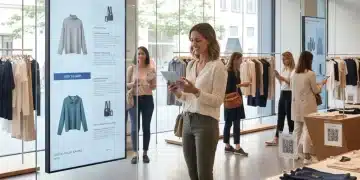
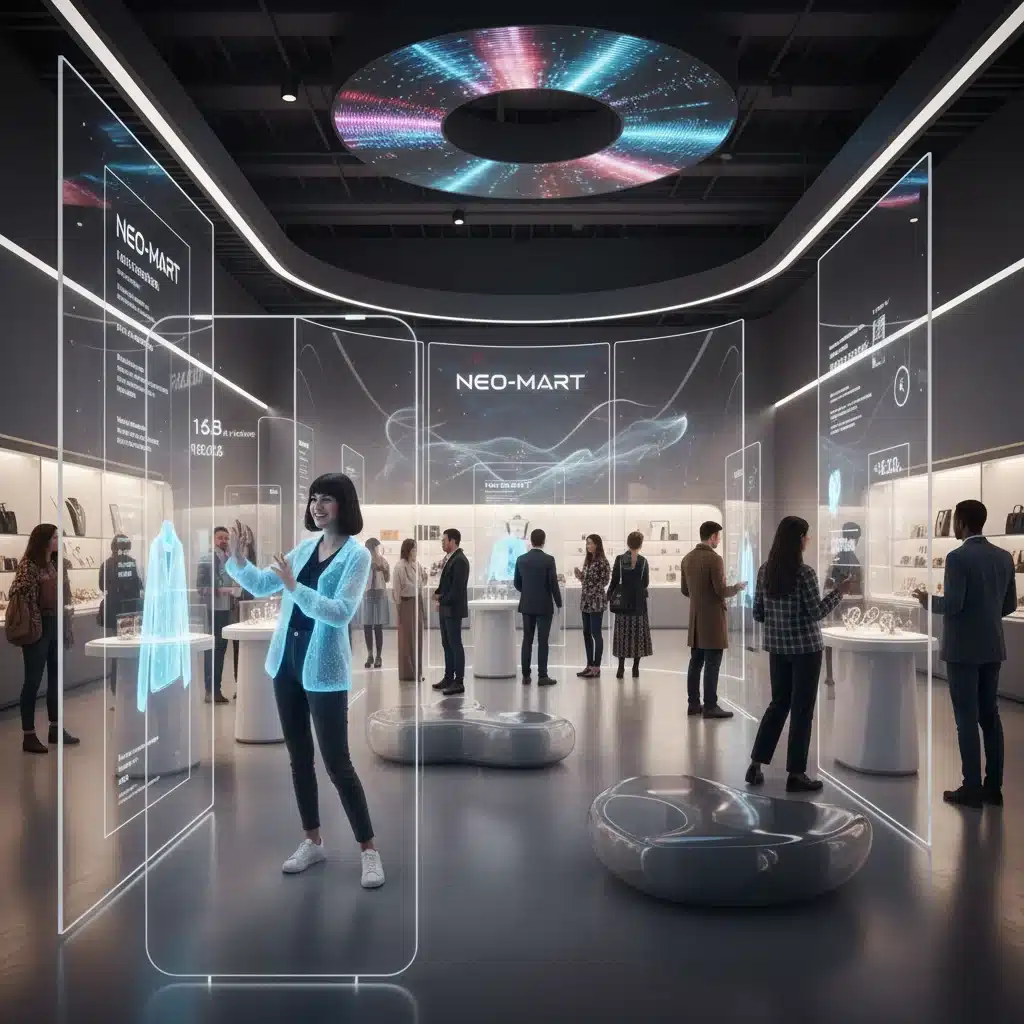
Gone are the days of static posters and cardboard cutouts. Smart displays are revolutionizing how retailers communicate with their customers in-store. These interactive screens, ranging from large video walls to individual product displays, offer dynamic content, real-time information, and personalized messaging. They are a cornerstone of modern retail tech innovation, transforming ordinary spaces into engaging environments.
Interactive Product Information and Discovery
Imagine walking into a store and being able to instantly access detailed product specifications, customer reviews, and even tutorial videos simply by touching a screen next to the item. Smart displays make this a reality. They empower shoppers with information, helping them make informed purchasing decisions without needing to wait for a sales associate. This self-service capability not only improves customer satisfaction but also frees up staff to focus on more complex inquiries and personalized assistance.
Beyond basic information, smart displays can facilitate product discovery. Retailers can showcase complementary items, suggest outfits, or highlight new arrivals, encouraging customers to explore a wider range of products. This ability to cross-sell and upsell subtly and effectively is a significant advantage, directly contributing to increased average transaction values.
Personalized Marketing and Promotions
One of the most powerful applications of smart displays lies in their ability to deliver personalized content. Integrated with customer loyalty programs or mobile apps, these displays can recognize returning customers and tailor promotions, recommendations, and messages specifically for them. Imagine a display greeting a customer by name and offering a discount on their favorite coffee blend as they walk past a cafe. This level of personalization creates a sense of recognition and value, fostering stronger customer relationships.
Furthermore, smart displays can react to real-time conditions. During a sudden downpour, they can instantly promote umbrellas or raincoats. If a specific product is running low on stock, the display can highlight alternatives or notify customers about replenishment. This agility allows retailers to optimize their marketing efforts on the fly, maximizing impact and minimizing waste.
Enhancing Store Aesthetics and Ambiance
Beyond functionality, smart displays contribute significantly to the overall aesthetics and ambiance of a retail space. Sleek, high-resolution screens can create visually stunning environments, transforming walls into dynamic art installations or immersive brand experiences. They can display captivating lifestyle imagery, brand stories, or even live social media feeds, making the store feel more modern, engaging, and connected.
The versatility of smart displays allows retailers to create different moods and experiences within various zones of the store. A tranquil wellness section might feature calming nature scenes, while a high-energy tech zone could showcase dynamic product demos. This strategic use of visual content enhances the shopping journey, making it more enjoyable and memorable.
Augmented Reality (AR): Blurring the Lines Between Digital and Physical
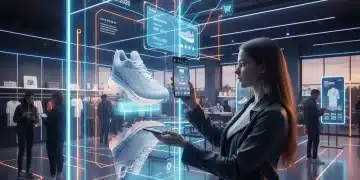
Augmented Reality (AR) is perhaps the most exciting frontier in retail tech innovation. By overlaying digital information onto the real world, AR transforms how customers interact with products and their surroundings. It offers immersive, interactive experiences that were once the realm of science fiction, making shopping more engaging, informative, and fun. The potential for AR to drive in-store foot traffic and conversion is immense.
Virtual Try-On Experiences
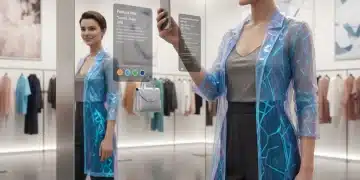
One of the most impactful applications of AR in retail is virtual try-on. Customers can use AR mirrors or their smartphone cameras to virtually try on clothing, accessories, makeup, or even eyewear without physically touching the products. This eliminates the hassle of changing rooms, speeds up the shopping process, and provides a convenient way to experiment with different styles.
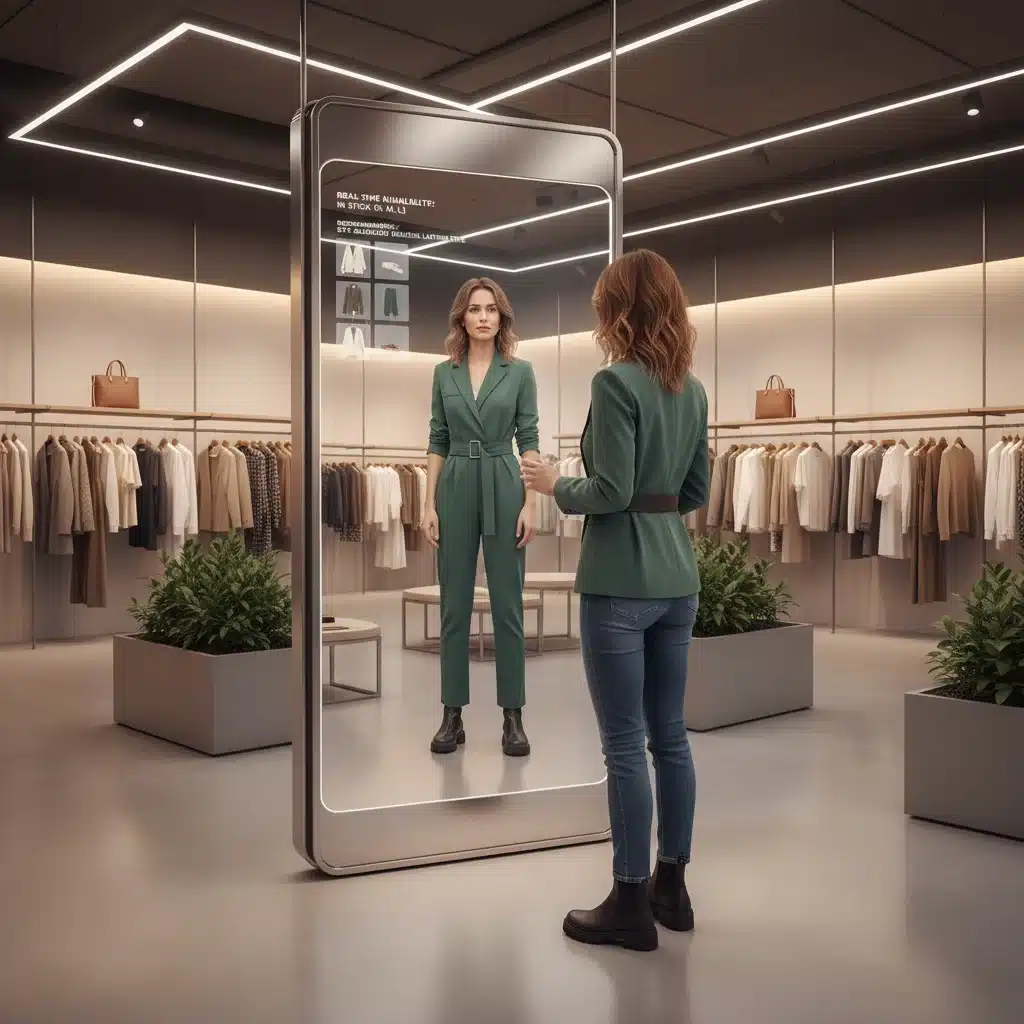
For furniture and home decor retailers, AR allows customers to visualize how a sofa or a rug would look in their own living room before making a purchase. This reduces uncertainty, minimizes returns, and empowers customers to make more confident decisions. The novelty and utility of virtual try-on experiences are powerful draws, enticing customers into physical stores to experience this cutting-edge technology firsthand.
Interactive Product Visualization and Information
AR can bring products to life in ways that traditional displays cannot. Imagine pointing your phone at a toy and seeing an animation of it in action, or scanning a food item to instantly view its nutritional information and allergy warnings in an interactive overlay. AR can provide a deeper, more engaging understanding of products, helping customers make more informed choices.
For complex products like electronics or automotive parts, AR can offer interactive exploded views, allowing customers to explore internal components and understand functionality. This level of detail and interactivity can significantly enhance the perceived value of a product and provide a memorable learning experience, distinguishing a retailer from its competitors.
Gamification and Immersive Brand Experiences
AR also opens up new avenues for gamification and immersive brand experiences within the store. Retailers can create AR-powered scavenger hunts, interactive games, or virtual tours that guide customers through different sections of the store while promoting products in a fun and engaging way. These experiences not only entertain but also encourage longer dwell times and deeper engagement with the brand.
Imagine a beauty store where customers can use AR to see how different makeup shades would look on them in various lighting conditions, or a sports store where AR allows them to virtually test a new pair of running shoes on a simulated track. These immersive experiences transform shopping from a chore into an adventure, driving repeat visits and positive word-of-mouth.
Synergy: Smart Displays and AR Working Together
The true power of retail tech innovation emerges when smart displays and AR are integrated seamlessly. Imagine a scenario where a smart display showcases a new clothing collection, and a customer, intrigued by an outfit, then uses an adjacent AR mirror to virtually try it on. The smart display could then show complementary accessories based on the AR try-on, creating a fluid and personalized shopping journey.
Retailers can use smart displays to highlight AR experiences available in-store, directing customers to specific zones or encouraging them to download a brand’s AR app. Conversely, AR experiences can feed data back to smart displays, allowing them to dynamically adjust content based on customer interactions. This symbiotic relationship creates a powerful, interconnected ecosystem that maximizes engagement and drives sales.
The Impact on Foot Traffic and Conversion Rates
The projected 7% increase in US retail foot traffic by 2026 is a testament to the transformative power of retail tech innovation. But how do smart displays and AR specifically contribute to this growth and, crucially, to conversion rates?
Drawing Customers In
The novelty and excitement of advanced technology act as powerful magnets, drawing curious shoppers into stores. The promise of an interactive, personalized, and entertaining shopping experience differentiates technologically advanced retailers from their more traditional counterparts. Marketing campaigns highlighting these in-store innovations can generate significant buzz and attract new customer segments.
Extended Dwell Times and Engagement
Interactive smart displays and engaging AR experiences encourage customers to spend more time in the store. The longer customers stay and interact with products and technology, the more likely they are to discover new items, feel connected to the brand, and ultimately make a purchase. This increased dwell time is a direct driver of higher conversion rates.
Enhanced Product Knowledge and Confidence
By providing rich, on-demand product information and allowing virtual try-ons, these technologies empower customers to make more informed decisions. When customers feel confident about their choices, a significant barrier to purchase is removed. This reduction in buyer’s remorse and increased satisfaction translates into higher conversion rates and fewer returns.
Personalization Driving Loyalty
The ability to deliver personalized content and recommendations through smart displays and AR fosters a sense of being understood and valued. This personalized approach builds stronger customer relationships, encouraging repeat visits and brand loyalty. Loyal customers are not only more likely to make purchases but also to advocate for the brand, further boosting foot traffic through word-of-mouth.
Challenges and Considerations for Implementation
While the benefits of retail tech innovation are clear, implementing smart displays and AR comes with its own set of challenges that retailers must address for successful adoption.
Cost of Investment
The initial investment in high-quality smart displays, AR hardware (like smart mirrors), software development, and infrastructure can be substantial. Retailers need to conduct thorough cost-benefit analyses and phased rollouts to manage budgets effectively. Demonstrating a clear ROI is crucial for securing internal buy-in.
Technical Expertise and Maintenance
Deploying and maintaining these technologies requires a certain level of technical expertise. Retailers need to invest in training staff, hiring specialized personnel, or partnering with technology providers to ensure smooth operation and quick troubleshooting. Regular maintenance and software updates are also essential to keep the systems running optimally.
Data Privacy and Security
As these technologies collect valuable customer data (e.g., interaction patterns, preferences), ensuring data privacy and security is paramount. Retailers must comply with regulations like GDPR and CCPA, be transparent with customers about data collection, and implement robust security measures to protect sensitive information. Trust is a critical component of customer adoption.
Integration with Existing Systems
Seamless integration with existing POS systems, inventory management, CRM, and e-commerce platforms is vital for a unified customer experience. Fragmented systems can lead to inefficiencies and a disjointed shopping journey. Retailers should prioritize solutions that offer strong integration capabilities.
Content Creation and Management
Dynamic smart displays and AR experiences require a constant stream of engaging and relevant content. Retailers need to invest in content creation capabilities, whether in-house or through external agencies, to keep their digital experiences fresh and captivating. A robust content management system is essential for efficient updates and personalization.
The Road Ahead: What to Expect by 2026 and Beyond
By 2026, the retail landscape will be significantly transformed by the widespread adoption of retail tech innovation. We can expect to see:
- Ubiquitous Smart Displays: Interactive screens will be commonplace, providing personalized information, promotions, and entertainment across various retail formats, from fashion boutiques to grocery stores.
- Advanced AR Experiences: AR will move beyond novelty to become an indispensable tool for product visualization, virtual try-ons, and immersive brand storytelling, accessible via in-store devices and personal smartphones.
- Hyper-Personalization: AI-powered algorithms, leveraging data from smart displays and AR interactions, will deliver highly personalized shopping journeys, anticipating customer needs and preferences.
- Seamless Omnichannel Integration: The lines between online and offline will further blur, with in-store tech acting as a crucial bridge, allowing customers to seamlessly transition between digital browsing and physical interaction.
- Experiential Retail as the Norm: Shopping will increasingly become an experience, with technology facilitating entertainment, education, and social interaction, making physical stores true destinations.
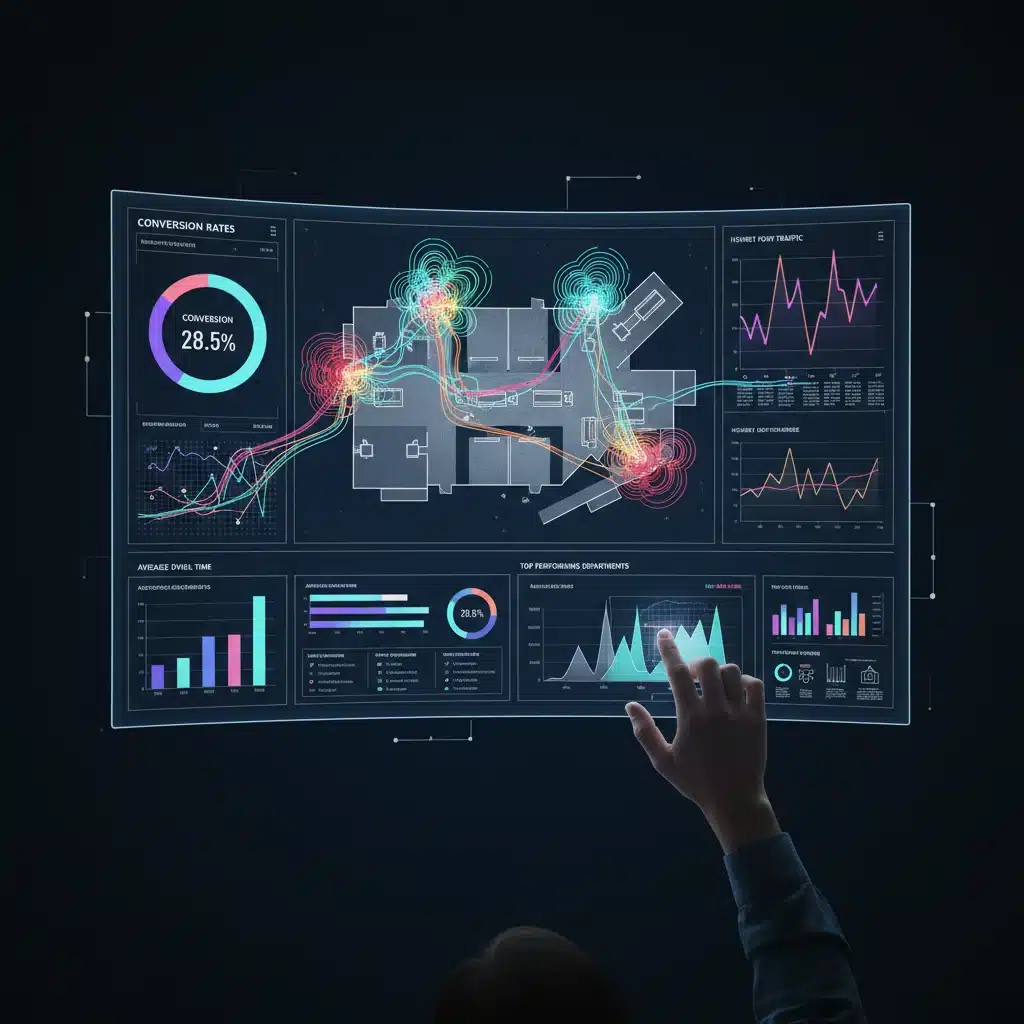
- Data-Driven Store Optimization: Retailers will leverage the rich data generated by these technologies to continually optimize store layouts, product placements, staffing, and marketing strategies, leading to greater efficiency and profitability.
The future of retail is bright and undeniably technological. Retailers who embrace retail tech innovation now will be the ones leading the charge, capturing market share, and creating the next generation of unforgettable shopping experiences. The predicted 7% boost in US retail foot traffic by 2026 is just the beginning of this exciting journey.
Conclusion: Embracing the Future of In-Store Experience
The resurgence of the physical store is not a return to the past, but a leap into a technologically advanced future. Smart displays and augmented reality are not just tools; they are catalysts for a profound transformation in how consumers engage with retail. By offering personalized, interactive, and immersive experiences, these technologies are breathing new life into brick-and-mortar locations, driving both foot traffic and customer loyalty.
For US retailers, the message is clear: invest in retail tech innovation to stay competitive and relevant. The projected 7% increase in foot traffic by 2026 is a significant indicator of the potential rewards. The path forward involves strategic planning, thoughtful implementation, and a commitment to leveraging technology to create truly exceptional customer journeys. The future of retail is dynamic, engaging, and undeniably in-store.