
Brand Protection in the Digital Age: 4 Critical US Legal Updates for 2026
In an increasingly interconnected world, where digital footprints are as significant as physical ones, the realm of Brand Protection Updates is in a perpetual state of flux. Businesses, irrespective of their size or industry, face unprecedented challenges in safeguarding their intellectual property, reputation, and market share from digital threats. As we look towards 2026, the legal landscape in the United States is poised for significant shifts that will redefine the strategies and tools available for brand protection. Understanding these impending changes isn’t just beneficial; it’s absolutely crucial for sustained success and avoiding costly legal pitfalls.
The digital age has ushered in a new era of brand vulnerability. From sophisticated online counterfeiting operations and trademark infringement on e-commerce platforms to rampant copyright violations across social media and the dark web, the threats are diverse and constantly evolving. Furthermore, issues like domain squatting, social media impersonation, and unauthorized use of brand assets in NFTs or the metaverse add layers of complexity that traditional legal frameworks often struggle to address. This dynamic environment necessitates a proactive approach, and staying informed about the latest Brand Protection Updates is the cornerstone of such a strategy.
This comprehensive article delves into four critical US legal updates anticipated for 2026 that will profoundly impact brand protection strategies. We’ll explore how these changes are designed to empower brand owners, enhance enforcement mechanisms, and introduce new responsibilities. By understanding these shifts, businesses can better prepare, adapt their strategies, and ensure their brands remain resilient in the face of digital adversity.
1. The Evolving Landscape of Online Counterfeiting and E-commerce Liability
Online counterfeiting remains one of the most pervasive and damaging threats to brand integrity. The ease with which illicit goods can be sold across borders through e-commerce platforms and social media marketplaces presents a formidable challenge. Current US laws, such as the Lanham Act, provide a foundation for combating trademark infringement, but their application to the nuances of online sales and the liability of platform providers has been a continuous area of debate and legal development. The anticipated Brand Protection Updates for 2026 are expected to bring more clarity and potentially stricter regulations regarding e-commerce platform accountability.
Strengthening Platform Accountability
One of the most significant anticipated changes revolves around increasing the liability of online marketplaces for counterfeit goods sold on their platforms. Historically, platforms have often sought safe harbor under Section 230 of the Communications Decency Act, arguing they are not publishers of content but rather neutral conduits. However, recent legislative efforts and judicial interpretations have begun to chip away at this broad protection, particularly when platforms are seen to actively facilitate or profit from the sale of counterfeit items.
For 2026, we foresee legislation that could mandate more robust proactive measures from e-commerce platforms. This might include requirements for enhanced seller vetting processes, more sophisticated AI-driven detection systems for counterfeit listings, and faster, more transparent takedown procedures. Brands could gain new legal avenues to hold platforms directly responsible if they fail to implement these measures, shifting some of the enforcement burden from individual brand owners to the platforms themselves. This would be a monumental shift in Brand Protection Updates, offering a more systemic approach to combating fakes.
Impact on Brand Owners
For brand owners, this means a potential reduction in the arduous task of individually tracking and reporting every single counterfeit listing. Instead, the focus could shift to ensuring platforms adhere to their new legal obligations. Brands will need to work closely with platforms, providing them with necessary information and monitoring their compliance. This change could also lead to more effective deterrents for counterfeiters, as the channels for distributing their illicit goods become more tightly controlled and monitored. Companies should start reviewing their existing agreements with e-commerce platforms and prepare to adapt to new compliance requirements.
2. Updates to Copyright Law in the Age of AI-Generated Content
The rapid proliferation of Artificial Intelligence (AI) has introduced a fascinating and complex new frontier for copyright law. AI-generated content, from text and images to music and code, challenges traditional notions of authorship, originality, and ownership. As AI tools become more sophisticated and widely adopted, the legal framework governing copyright must evolve to address these novel issues. The 2026 Brand Protection Updates in copyright law are expected to tackle these complexities head-on, providing much-needed guidance for creators and brand owners alike.
Defining Authorship and Ownership
A central question in AI copyright is: who owns the copyright to AI-generated content? Is it the AI developer, the user who prompts the AI, or the AI itself? Current US copyright law generally requires human authorship, which creates a significant hurdle for protecting purely AI-generated works. We anticipate legislative and judicial clarifications that will likely lean towards granting copyright to the human who significantly contributes to the creative process, for instance, through detailed prompting, curation, or significant editing of AI output. This means that merely typing a simple prompt might not be enough to claim authorship.
For brands leveraging AI in their creative processes, understanding these distinctions will be paramount. Brands must ensure they have clear policies regarding the use of AI tools and the ownership of the resulting content. This includes reviewing contracts with third-party AI developers and ensuring internal guidelines align with the evolving legal landscape. The goal is to avoid situations where a brand invests heavily in AI-generated marketing materials or product designs, only to find the copyright ownership is ambiguous or unenforceable.
Addressing AI Training Data and Infringement
Another critical aspect of AI and copyright is the use of copyrighted material in training AI models. Many AI models are trained on vast datasets that often include copyrighted works without explicit permission from the rights holders. This raises questions about potential copyright infringement by the AI developers and, subsequently, by users of these AI tools. Future legal updates are likely to provide clearer guidelines on fair use in the context of AI training, potentially introducing new licensing frameworks or exceptions.
Brands need to be acutely aware of the provenance of the AI tools they use and the data they were trained on. While still in its nascent stages, liability for using AI systems trained on infringing data could eventually extend to end-users. This legal evolution underscores the importance of due diligence when adopting AI technologies, ensuring that the AI solutions used by a brand meet future compliance standards to avoid unforeseen legal challenges related to Brand Protection Updates in AI.

3. Enhanced Protections Against Deepfakes and Digital Impersonation
The rise of sophisticated deepfake technology and other forms of digital impersonation poses a severe threat to brand reputation, executive credibility, and consumer trust. Malicious actors can use AI to create highly convincing fake audio, video, and images that mimic real individuals or brand representatives, leading to scams, disinformation campaigns, and brand defamation. The current legal framework struggles to adequately address the speed and scale of these threats, necessitating new legislative responses. The 2026 Brand Protection Updates are expected to introduce stronger protections against these deceptive digital manipulations.
New Legislation for Deepfake Accountability
We anticipate new federal and state legislation specifically targeting the creation and dissemination of malicious deepfakes. This legislation will likely establish clear penalties for individuals or entities that create or spread deepfakes with the intent to defraud, harass, defame, or impersonate. Such laws may also introduce avenues for victims, including brands and their representatives, to seek expedited takedown orders and significant damages.
For brands, this means a more robust legal arsenal to combat instances where their executives are impersonated, their products are misrepresented through fake endorsements, or their brand image is tarnished by deepfake-driven disinformation. Proactive monitoring for deepfake content will become even more critical, and brands will need to be prepared to act swiftly with legal counsel to leverage these new protections. Developing internal protocols for responding to deepfake incidents will be a key part of future brand protection strategies.
Protecting Brand Spokespersons and Influencers
The impact of deepfakes extends beyond corporate leaders to brand spokespersons and influencers. If a deepfake of a prominent influencer promoting a competitor’s product or engaging in scandalous behavior goes viral, the damage to the brand they represent can be substantial. Future legal updates are likely to provide specific protections for individuals whose likenesses are used without consent, which indirectly benefits the brands associated with them. This could involve easier routes to legal action against the creators and distributors of such content.
Brands that rely heavily on influencer marketing will need to include clauses in their contracts addressing deepfake risks and outlining response strategies. This comprehensive approach to Brand Protection Updates will help mitigate the reputational and financial risks associated with the malicious use of AI-generated impersonations, ensuring that brand messaging remains authentic and trustworthy.
4. Data Privacy and Brand Reputation in a Post-Cookie World
The ongoing evolution of data privacy regulations, particularly the move towards a post-cookie advertising ecosystem, profoundly impacts how brands interact with consumers and manage their online reputation. While not directly intellectual property law, data privacy is inextricably linked to brand trust and consumer perception. Upcoming 2026 Brand Protection Updates will likely continue to tighten data privacy requirements, forcing brands to rethink their data collection, usage, and security practices.
Strengthening Consumer Data Rights
Building upon existing frameworks like the California Consumer Privacy Act (CCPA) and its successor, the California Privacy Rights Act (CPRA), as well as other state-level initiatives, federal data privacy legislation is increasingly likely. Such legislation would standardize consumer rights across the US, including rights to access, delete, and opt-out of the sale of personal data. For brands, this means a universal need for transparent data practices, clear privacy policies, and robust mechanisms for honoring consumer requests. Failure to comply can lead to significant fines and, perhaps more damagingly, a severe erosion of brand trust.
Brands will need to invest in privacy-enhancing technologies and develop comprehensive data governance strategies. This includes mapping data flows, implementing strong data security measures, and regularly auditing compliance. A brand’s reputation is increasingly tied to its commitment to privacy; a breach or misuse of data can have catastrophic consequences that extend far beyond legal penalties, impacting customer loyalty and market value. Staying ahead of these Brand Protection Updates in data privacy is crucial for maintaining a positive brand image.
First-Party Data Strategies and Brand Trust
The deprecation of third-party cookies by major browsers like Chrome will force brands to pivot towards first-party data strategies. This involves directly collecting data from consumers through their own websites, apps, and direct interactions. While this shift presents challenges, it also offers an opportunity for brands to build deeper, more trustworthy relationships with their customers based on consent and transparency.
For brands, the focus will be on offering genuine value in exchange for data, ensuring that data collection practices are clearly communicated and that consumers feel in control. Brands that excel at this will not only adapt to the post-cookie world but will also strengthen their reputation as trustworthy entities. Conversely, brands perceived as opaque or exploitative in their data practices will likely suffer significant reputational damage. The integration of privacy-by-design principles into all digital initiatives will be a hallmark of successful brand protection in 2026 and beyond.
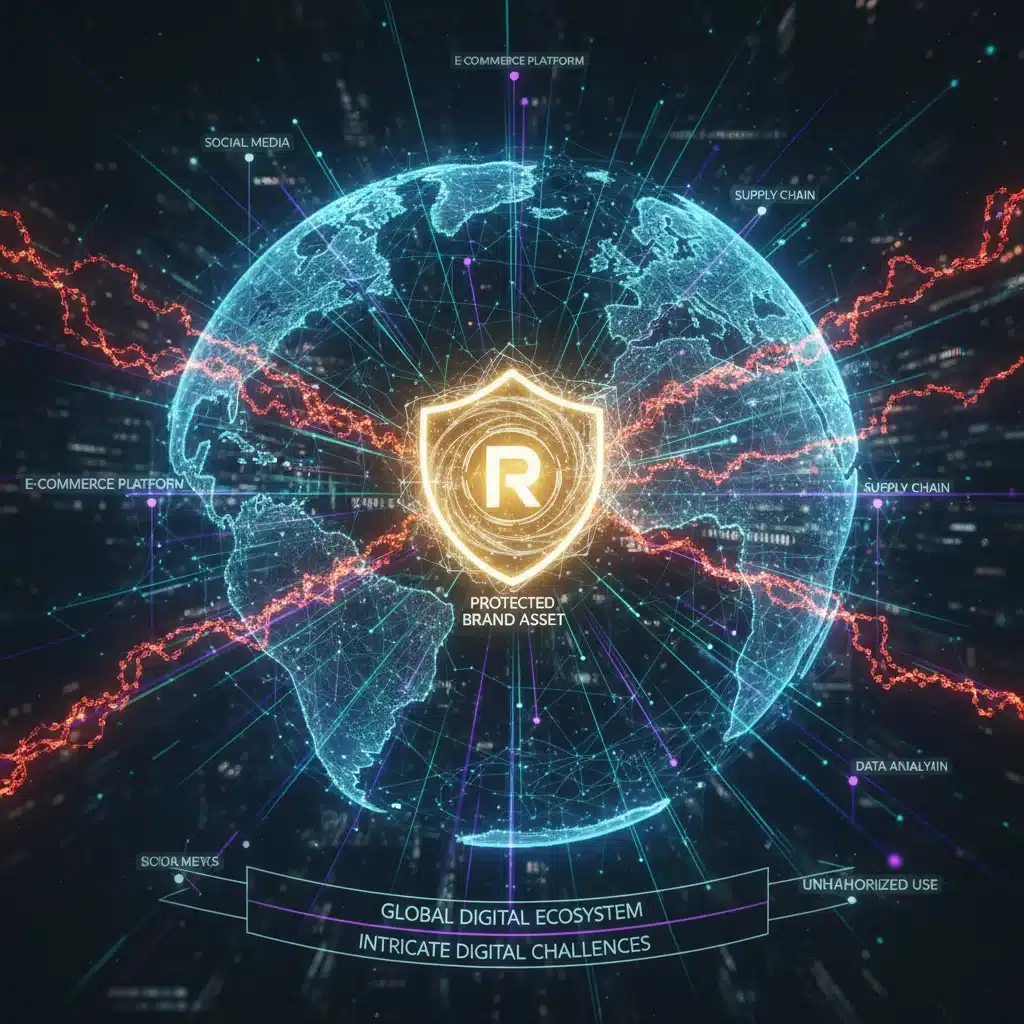
Preparing for the Future: A Holistic Approach to Brand Protection
The anticipated legal changes for 2026 underscore a fundamental truth: brand protection in the digital age requires a holistic, multifaceted approach. It’s no longer sufficient to merely register a trademark and hope for the best. Brands must be constantly vigilant, proactive, and adaptable.
Key Strategies for Brand Owners
- Continuous Monitoring: Implement advanced monitoring solutions that scan e-commerce sites, social media, domain registries, and even the dark web for unauthorized use of your brand assets, deepfakes, and other infringements. These tools are becoming increasingly sophisticated, leveraging AI and machine learning to detect even subtle violations.
- Robust Intellectual Property Portfolio Management: Regularly review and update your trademark and copyright registrations. Ensure your IP portfolio covers all relevant jurisdictions and emerging digital spaces, such as NFTs and the metaverse. Consider defensive registrations where appropriate.
- Educate and Train Your Team: Ensure your legal, marketing, and IT teams are fully aware of the latest Brand Protection Updates and best practices. Training on data privacy compliance, AI usage policies, and deepfake detection is crucial.
- Develop Rapid Response Protocols: Establish clear procedures for responding to brand infringements, deepfake incidents, or data breaches. This includes legal action, public relations strategies, and technical countermeasures. Speed is often of the essence in mitigating damage.
- Leverage Technology and AI: Embrace AI-powered brand protection tools that can automate monitoring, identify threats, and even assist in generating takedown notices. These technologies are invaluable in managing the scale of digital threats.
- Collaborate with Platforms and Law Enforcement: Build relationships with major e-commerce platforms, social media companies, and relevant law enforcement agencies. These partnerships can facilitate faster takedowns and more effective enforcement actions.
- Legal Counsel and Expertise: Engage with legal professionals specializing in intellectual property, technology law, and data privacy. Their expertise will be invaluable in navigating the complex and evolving legal landscape of Brand Protection Updates.
The Interconnectedness of Digital Threats
It’s important to recognize that these four areas of legal updates are not isolated. Online counterfeiting often involves copyright infringement and can be exacerbated by data privacy breaches. Deepfakes can be used to facilitate scams, infringing on brand identity and reputation. The interconnectedness of digital threats means that a comprehensive brand protection strategy must consider all these elements. For example, robust data privacy practices can enhance consumer trust, making them less susceptible to deepfake-driven phishing scams that might target your brand.
Furthermore, as AI technology continues to advance, its role in both creating threats and providing solutions for brand protection will grow. Brands that proactively integrate AI into their protection strategies, while also understanding the legal implications of AI-generated content, will be best positioned for success.
Conclusion: Navigating the Future of Brand Protection
The digital age presents both immense opportunities and significant challenges for brand owners. As we approach 2026, the United States legal system is actively working to catch up with the rapid pace of technological innovation, particularly in areas related to online counterfeiting, AI-generated content, deepfakes, and data privacy. These impending Brand Protection Updates are not just regulatory hurdles; they are opportunities for brands to strengthen their defenses, build greater consumer trust, and secure their future in the digital economy.
Proactive engagement with these legal developments is non-negotiable. Brands that invest in understanding and adapting to these changes will emerge stronger, more resilient, and better equipped to thrive in the complex digital landscape. By embracing a holistic approach that combines legal acumen, technological solutions, and strategic foresight, businesses can transform potential threats into opportunities for enhanced brand value and lasting success. The future of brand protection is here, and it demands constant vigilance and intelligent adaptation.