Metaverse Retail: Engaging Gen Z in 2026 – A 6-Month Roadmap for US Brands
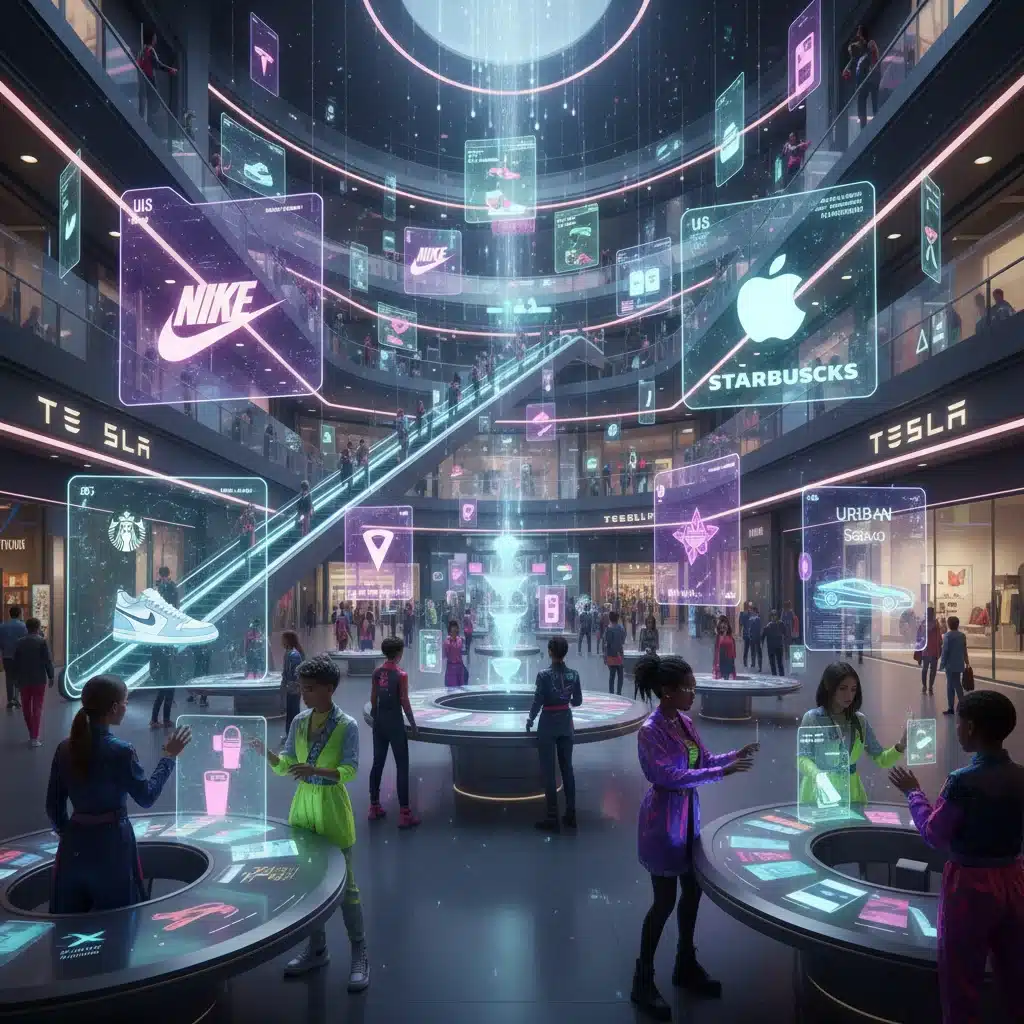
Leveraging Metaverse Retail Experiences: A 6-Month Roadmap for US Brands to Engage Gen Z in 2026
The retail landscape is undergoing a monumental transformation, driven by technological advancements and the evolving expectations of a new generation of consumers. At the forefront of this revolution is the metaverse, a persistent, interconnected set of virtual spaces that is rapidly becoming a fertile ground for unprecedented brand engagement. For US brands, understanding and strategically entering this digital frontier is not just an option, but a necessity to capture the attention and loyalty of Gen Z, a demographic that is digitally native, socially conscious, and primed for immersive experiences. By 2026, the metaverse is projected to be a significant commerce channel, and brands that fail to establish a meaningful presence risk being left behind.
This article lays out a comprehensive 6-month roadmap designed specifically for US brands looking to effectively leverage Metaverse Retail Gen Z experiences. We will delve into actionable strategies, key considerations, and a phased approach to ensure a successful launch and sustained engagement. From understanding the nuances of Gen Z consumer behavior in virtual worlds to developing compelling digital products and fostering vibrant communities, this guide serves as your blueprint for navigating the exciting, yet complex, world of metaverse commerce.
The Imperative of Metaverse Retail for Gen Z Engagement
Gen Z, born between the mid-1990s and the early 2010s, represents a powerful economic force with an estimated spending power of hundreds of billions of dollars. More than any previous generation, they are digital citizens, comfortable with virtual identities, online communities, and blurred lines between the physical and digital worlds. For them, the metaverse isn’t just a game; it’s a social space, an entertainment platform, and increasingly, a place to shop and express themselves. Traditional marketing and retail strategies often fall flat with this cohort, who crave authenticity, personalization, and interactive experiences. This is where Metaverse Retail Gen Z comes into play.
Why Gen Z is the Key Demographic for Metaverse Retail:
- Digital Natives: They grew up with the internet, social media, and online gaming, making virtual environments a natural extension of their lives.
- Experience Seekers: Gen Z values experiences over possessions. The metaverse offers novel, immersive, and interactive experiences that traditional retail cannot replicate.
- Identity Expression: Avatars in the metaverse allow for limitless self-expression through digital fashion, accessories, and customizable spaces. Brands offering unique digital goods tap directly into this desire.
- Community Driven: They thrive in online communities and are influenced by peers and creators. Metaverse platforms facilitate direct interaction and co-creation.
- Early Adopters: Gen Z is often at the forefront of adopting new technologies and trends, making them ideal early adopters for metaverse retail initiatives.
Ignoring the metaverse means missing a crucial opportunity to connect with this influential generation on their own terms. Brands that embrace Metaverse Retail Gen Z strategies now will establish themselves as forward-thinking, innovative, and relevant, building long-term loyalty.
Month 1-2: Foundation & Strategy – Laying the Groundwork for Metaverse Retail
Phase 1: Research and Immersion (Weeks 1-4)
The initial month is critical for understanding the landscape. Don’t just jump in; observe, learn, and strategize. This phase focuses on deep research into existing metaverse platforms, Gen Z behavior within them, and competitive analysis.
1. Metaverse Platform Selection & Exploration:
- Identify Target Platforms: Research popular metaverse platforms where Gen Z is already active. This might include Roblox, Decentraland, The Sandbox, Fortnite Creative, or even emerging social VR/AR spaces. Each platform has its unique demographics, technical capabilities, and economic models.
- Immerse Your Team: Encourage key stakeholders (marketing, product, innovation, IT) to create avatars and spend time in these virtual worlds. Experience the user interface, social dynamics, existing brand activations, and overall culture. This firsthand experience is invaluable for understanding the potential of Metaverse Retail Gen Z.
- Analyze Platform Demographics: Confirm that the chosen platforms align with your target Gen Z audience. Look at age ranges, interests, and engagement metrics.
2. Gen Z Behavior & Trend Analysis in Virtual Worlds:
- Observe Digital Consumption Habits: How do Gen Z users interact with digital goods? What drives their purchasing decisions for avatar customization, virtual real estate, or in-game items?
- Identify Influencer & Community Dynamics: Who are the key influencers and communities within these metaverses? How do they communicate, collaborate, and impact trends?
- Map Desired Experiences: What kinds of interactive experiences are Gen Z seeking? Are they looking for entertainment, social connection, creative expression, or utility?
3. Competitive Landscape & Best Practices:
- Study Early Movers: Analyze what other brands (both direct competitors and aspirational brands) are doing in the metaverse. What’s working? What’s not?
- Benchmark Success Metrics: Look at engagement rates, digital asset sales, community sentiment, and media coverage of successful metaverse activations.
- Identify Gaps and Opportunities: Where can your brand differentiate itself? What unmet needs or creative opportunities exist within the Metaverse Retail Gen Z space?
Phase 2: Strategy Development & Goal Setting (Weeks 5-8)
Building on the research, this phase translates insights into a concrete strategy with clear objectives for your Metaverse Retail Gen Z initiative.
1. Define Clear Objectives & KPIs:
- Brand Awareness: Increase brand visibility among Gen Z in virtual environments.
- Engagement: Drive active participation in virtual events, games, or experiences.
- Community Building: Foster a loyal community around your brand within the metaverse.
- Digital Product Sales: Generate revenue from the sale of NFTs, virtual merchandise, or in-game items.
- Brand Perception: Position your brand as innovative and relevant to Gen Z.
- Key Performance Indicators (KPIs): Define measurable metrics such as unique visitors, session duration, user-generated content (UGC) creation, digital asset sales volume, social sentiment, and avatar customization rates.
2. Craft Your Metaverse Identity & Value Proposition:
- Brand Extension: How will your brand’s core values, aesthetic, and mission translate into the virtual world? It shouldn’t be a direct copy-paste but an authentic extension.
- Unique Offering: What unique value will your brand provide to Gen Z in the metaverse? Is it exclusive content, unique digital products, educational experiences, or a platform for co-creation?
- Authenticity & Purpose: Gen Z values brands with purpose. How can your metaverse presence reflect your brand’s commitment to sustainability, social causes, or creativity?
3. Budget Allocation & Resource Planning:
- Allocate Funds: Determine a realistic budget for platform development, digital asset creation, marketing, community management, and potential partnerships.
- Assemble a Cross-Functional Team: This will likely include experts in 3D design, game development, blockchain (if NFTs are involved), marketing, and community management. Consider external agencies with metaverse expertise.
- Technology Stack: Identify necessary tools and technologies for building and managing your metaverse experience.
Month 3-4: Development & Content Creation – Building Your Virtual Presence
Phase 3: Design & Development (Weeks 9-16)
With a solid strategy in place, this phase is all about bringing your Metaverse Retail Gen Z vision to life. This involves creative design, technical development, and ensuring a compelling user experience.
1. Virtual Environment Design & Development:
- Concept & Prototyping: Begin with conceptual designs and low-fidelity prototypes of your virtual space. Focus on user flow, interactivity, and brand integration.
- 3D Asset Creation: Develop high-quality 3D models for your virtual store, interactive elements, and digital products (e.g., wearables, collectibles, virtual decor). Ensure these assets are optimized for performance within the chosen metaverse platform.
- User Experience (UX) & User Interface (UI) Design: Design an intuitive and engaging experience. How will users navigate? How will they interact with products? How seamless is the purchase process for digital goods?
- Gamification Elements: Integrate quests, challenges, rewards, and leaderboards to keep Gen Z engaged and encourage repeat visits.
2. Digital Product Portfolio Development:
- Virtual Merchandise: Design digital clothing, accessories, and items that reflect your brand’s aesthetic but are also unique to the metaverse. Consider different tiers of rarity or exclusivity.
- NFTs & Collectibles: Explore creating unique NFTs that offer utility (e.g., access to exclusive events, discounts in the physical world) or simply serve as digital collectibles.
- Co-creation Opportunities: Allow Gen Z users to customize or co-create digital products, fostering a sense of ownership and personal connection.
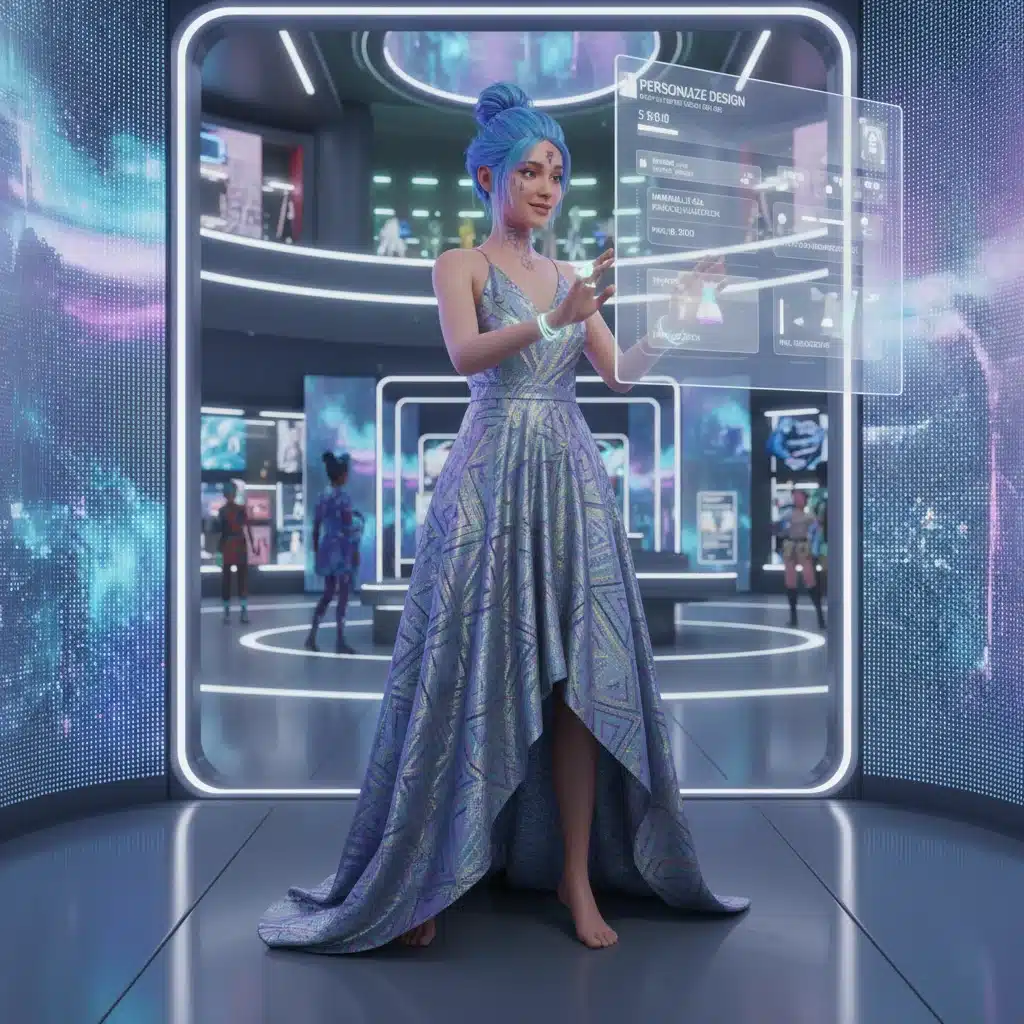
3. Integration & Interoperability Considerations:
- Cross-Platform Potential: While starting on one platform, consider how your digital assets or experiences might eventually be transferable or recognized across different metaverses.
- Web2 Integration: How will your metaverse presence link back to your existing website, e-commerce store, or social media channels?
- Payment Systems: Ensure secure and user-friendly payment mechanisms for digital goods, whether through in-platform currency, crypto, or traditional methods.
Month 5-6: Launch & Optimization – Bringing Metaverse Retail to Life
Phase 4: Pre-Launch & Marketing (Weeks 17-20)
The weeks leading up to launch are crucial for building hype and ensuring a smooth rollout of your Metaverse Retail Gen Z experience.
1. Community Building & Pre-Launch Buzz:
- Engage Gen Z Communities: Start interacting with relevant Gen Z communities on Discord, Twitch, TikTok, and within the chosen metaverse platform.
- Influencer Partnerships: Collaborate with popular metaverse creators and Gen Z influencers to generate excitement and authentic endorsements.
- Teasers & Sneak Peeks: Release tantalizing glimpses of your virtual world and digital products through engaging content.
- Early Access Programs: Offer exclusive early access to a select group of community members or influencers to build anticipation and gather initial feedback.
2. Marketing & Communication Strategy:
- Cross-Channel Promotion: Leverage your existing marketing channels (social media, email, website) to announce and promote your metaverse launch.
- Metaverse-Specific Campaigns: Run targeted campaigns within the metaverse platform itself, using in-world advertising or collaborations.
- Educational Content: Create simple tutorials or guides to help newcomers navigate your virtual space and understand the value proposition.
3. Technical Testing & Quality Assurance:
- Bug Testing: Conduct rigorous testing of the virtual environment, interactive elements, and digital product functionality to ensure a smooth user experience.
- Performance Optimization: Ensure the experience runs smoothly across various devices and internet connections relevant to your Gen Z audience.
- Security Audits: If dealing with NFTs or crypto, conduct thorough security audits to protect user assets and data.
Phase 5: Launch & Post-Launch Optimization (Weeks 21-24)
The launch is just the beginning. Continuous monitoring, engagement, and adaptation are key to long-term success in Metaverse Retail Gen Z.
1. Grand Opening & Launch Events:
- Virtual Launch Party: Host an engaging launch event within your metaverse space, featuring virtual concerts, celebrity appearances, or exclusive drops to draw a crowd.
- Limited Edition Drops: Release highly anticipated digital products or NFTs to create urgency and drive initial sales.
- Press & Media Outreach: Announce your launch to relevant tech, retail, and Gen Z-focused media outlets.
2. Community Management & Engagement:
- Active Moderation: Maintain a dedicated team for community moderation, answering questions, resolving issues, and fostering positive interactions.
- Regular Events: Host ongoing virtual events, challenges, and competitions to keep the community engaged and encourage repeat visits.
- User-Generated Content (UGC) Promotion: Encourage and showcase user-generated content, such as avatar fashion shows, virtual photography, or creative builds within your space. This is a powerful driver for Metaverse Retail Gen Z.

3. Performance Monitoring & Iteration:
- Track KPIs: Continuously monitor the KPIs defined in Month 2. Analyze user traffic, session duration, engagement rates, digital asset sales, and social sentiment.
- Gather Feedback: Actively solicit feedback from your Gen Z users through surveys, in-world polls, and community forums.
- Iterate & Update: Based on data and feedback, regularly update your metaverse experience, introduce new digital products, and refine your engagement strategies. The metaverse is dynamic; your presence must be too.
Future-Proofing Your Metaverse Retail Strategy Beyond 6 Months
While this 6-month roadmap provides a solid foundation, Metaverse Retail Gen Z is an evolving domain. Long-term success requires a commitment to continuous innovation and adaptation.
Staying Ahead of the Curve:
- Embrace Interoperability: As metaverse standards evolve, explore how your digital assets and experiences can be more seamlessly integrated across different platforms.
- Explore Emerging Technologies: Keep an eye on advancements in AI, haptics, and brain-computer interfaces that could further enhance immersive retail experiences.
- Decentralization & Ownership: As Web3 principles gain traction, consider how to empower your Gen Z community with more ownership and governance over aspects of your metaverse presence.
- Data Ethics & Privacy: Be transparent and responsible with user data. Gen Z is particularly sensitive to privacy concerns.
- Sustainability in the Metaverse: Address the environmental impact of blockchain technologies if using NFTs, and explore ways to promote sustainable practices within your virtual world.
The metaverse is not just another marketing channel; it’s a new paradigm for commerce and connection. For US brands, a well-executed Metaverse Retail Gen Z strategy offers an unparalleled opportunity to build deep, authentic relationships with the next generation of consumers. By following this roadmap, brands can confidently step into this exciting future, not just participating in the metaverse, but actively shaping its retail destiny.
Conclusion: The Dawn of a New Retail Era
The journey into Metaverse Retail Gen Z is complex, demanding foresight, creativity, and a willingness to embrace new technologies. However, the rewards for US brands that successfully navigate this landscape are immense. By 2026, those who have strategically invested in creating authentic, engaging, and value-driven metaverse experiences will have forged powerful connections with Gen Z, establishing a competitive edge that extends far beyond virtual realms.
This 6-month roadmap serves as a practical guide, breaking down the seemingly daunting task into manageable phases. From initial research and strategic planning to robust development and dynamic post-launch optimization, each step is designed to build a resilient and impactful metaverse presence. Remember, the goal is not just to sell products, but to build communities, foster identity, and create memorable experiences that resonate deeply with a generation that lives and breathes digital interaction.
The future of retail is immersive, interactive, and inherently social. US brands that commit to this vision, leveraging the power of the metaverse to connect with Gen Z, are not just adapting to change; they are leading it. The time to act is now, to ensure your brand is not merely present in the metaverse, but thriving within it, capturing the imagination and loyalty of the most digitally fluent generation the world has ever seen. Embrace the challenge, innovate boldly, and prepare to redefine what retail truly means in the digital age.