Supply Chain Resilience 2026: Strategies for US Retailers

The landscape of global commerce is in a constant state of flux, presenting both unprecedented opportunities and formidable challenges for businesses worldwide. For US retailers, the imperative to build robust retail supply resilience has never been more critical. The past few years have served as a stark reminder of how quickly seemingly stable supply chains can unravel under the weight of unforeseen disruptions – from pandemics and geopolitical tensions to natural disasters and cyber-attacks. These challenges have not only led to significant financial losses but have also eroded consumer trust and loyalty. As we look towards 2026, the goal for US retailers is clear: to strategically enhance supply chain resilience, aiming for an ambitious 20% annual reduction in disruptions.
Achieving this level of retail supply resilience demands a multifaceted approach, moving beyond traditional risk management to embrace proactive, technology-driven, and collaborative strategies. It’s about transforming vulnerabilities into strengths, building agility into every link of the chain, and fostering a culture of continuous adaptation. This comprehensive guide will delve into the core strategies and innovative solutions that US retailers can adopt to not only weather future storms but also emerge stronger, more efficient, and more competitive in the dynamic retail environment of 2026 and beyond.
We will explore how leveraging advanced analytics, diversifying supplier networks, investing in automation, and fostering strong partnerships can collectively contribute to a significant uplift in overall retail supply resilience. The journey towards a 20% annual reduction in disruptions is an ambitious one, but with the right strategic framework and commitment, it is entirely achievable. This article is designed to provide actionable insights and a roadmap for US retailers ready to prioritize and invest in the future of their supply chains.
The Current State of US Retail Supply Chains: A Call for Retail Supply Resilience
Before diving into solutions, it’s crucial to understand the current vulnerabilities within US retail supply chains. The COVID-19 pandemic exposed systemic weaknesses, highlighting an over-reliance on single-source suppliers, geographically concentrated manufacturing, and a lack of real-time visibility. Subsequent events, such as the Suez Canal blockage, geopolitical conflicts, and extreme weather patterns, have further underscored the fragility of global logistics networks. For many retailers, these disruptions translated into stockouts, delayed shipments, increased costs, and ultimately, lost sales and damaged brand reputation. The traditional ‘just-in-time’ inventory model, while efficient in stable times, proved brittle during periods of high uncertainty, prompting a re-evaluation towards ‘just-in-case’ or ‘just-in-time with resilience’ strategies.
The economic impact has been substantial. According to various industry reports, supply chain disruptions have cost US businesses billions of dollars annually. Beyond the immediate financial hits, there’s the long-term damage to customer relationships. Consumers today expect seamless experiences and immediate availability, and any failure to meet these expectations can quickly lead to them switching to competitors. Therefore, enhancing retail supply resilience is no longer just an operational consideration; it’s a strategic imperative directly impacting market share, profitability, and brand longevity.
Moreover, the increasing complexity of modern supply chains, driven by e-commerce expansion, personalization demands, and omnichannel strategies, adds another layer of challenge. Retailers are managing more SKUs, catering to diverse delivery preferences, and navigating intricate international regulations. Without a proactive approach to retail supply resilience, these complexities can quickly become insurmountable obstacles.
Leveraging Technology for Enhanced Retail Supply Resilience
Technology stands at the forefront of building a more resilient supply chain. The integration of advanced digital tools offers unprecedented visibility, predictive capabilities, and operational efficiencies. Here are key technological advancements US retailers should prioritize:
1. Artificial Intelligence (AI) and Machine Learning (ML) for Predictive Analytics
AI and ML algorithms can analyze vast datasets to predict potential disruptions before they occur. This includes forecasting demand fluctuations, identifying potential supplier risks based on geopolitical news or weather patterns, and optimizing inventory levels across multiple locations. By leveraging AI, retailers can move from reactive problem-solving to proactive risk mitigation, significantly improving their retail supply resilience. For example, AI can predict the likelihood of port congestion or factory shutdowns, allowing retailers to reroute shipments or activate alternative suppliers well in advance.
2. Blockchain for Transparency and Traceability
Blockchain technology offers an immutable and transparent ledger for tracking goods from origin to destination. This enhanced traceability is critical for verifying product authenticity, ensuring ethical sourcing, and quickly identifying the source of contamination or defects. In a disrupted environment, blockchain can help pinpoint exactly where a problem occurred, enabling swift corrective action and reducing the ripple effect across the supply chain, thereby bolstering retail supply resilience. This transparency also builds consumer trust, as they can verify the journey of their products.
3. Internet of Things (IoT) for Real-time Monitoring
IoT sensors embedded in products, packaging, and transportation vehicles provide real-time data on location, temperature, humidity, and other critical conditions. This allows retailers to monitor goods in transit, detect deviations from planned routes or conditions, and address issues promptly. For perishable goods or high-value items, IoT is invaluable in preventing spoilage or theft, directly contributing to operational retail supply resilience. Imagine knowing a refrigerated truck’s cooling unit is failing before the entire shipment is compromised.
4. Cloud-Based Supply Chain Management (SCM) Platforms
Modern cloud-based SCM platforms integrate various functions – from procurement and inventory management to logistics and demand planning – into a single, accessible system. These platforms offer scalability, flexibility, and collaborative capabilities, allowing all stakeholders in the supply chain to share information and coordinate efforts seamlessly. This centralized visibility is fundamental for rapid decision-making and adapting to disruptions, thereby strengthening overall retail supply resilience. Cloud solutions also reduce the burden of on-premise infrastructure, offering greater agility.
5. Digital Twin Technology
Creating digital twins of physical supply chain assets (e.g., warehouses, production lines, transportation networks) allows retailers to simulate various scenarios and test the impact of potential disruptions without affecting real-world operations. This predictive modeling helps identify weak points, optimize processes, and develop robust contingency plans, playing a crucial role in enhancing retail supply resilience. Retailers can model the impact of a port closure or a sudden surge in demand, for instance, and adjust their strategies accordingly.
Diversification and Localization: Pillars of Retail Supply Resilience
Reducing reliance on single points of failure is a cornerstone of building retail supply resilience. This involves strategic diversification across multiple dimensions:
1. Supplier Network Diversification
Moving away from single-source suppliers to a multi-source strategy, even for critical components or products, significantly reduces risk. This might involve identifying alternative suppliers in different geographical regions or even within the same region but with distinct operational models. While it may sometimes lead to slightly higher initial costs or more complex management, the long-term benefits in terms of disruption mitigation far outweigh these drawbacks. Building relationships with a diverse set of suppliers ensures that if one source is compromised, others can step in to fill the gap, maintaining the flow of goods and enhancing retail supply resilience.
2. Geographical Diversification of Manufacturing and Sourcing
Concentrating manufacturing in a single country or region exposes retailers to significant geopolitical, environmental, and economic risks. Diversifying manufacturing locations across different continents or countries can buffer against regional disruptions. This ‘China+1’ or ‘multi-country’ strategy is gaining traction, allowing retailers to pivot production if one region faces issues. This approach not only spreads risk but can also open up new markets and reduce lead times for certain products, contributing to a more robust retail supply resilience.
3. Nearshoring and Reshoring Initiatives
While global sourcing offers cost advantages, the vulnerabilities exposed by recent events have led many US retailers to consider nearshoring (moving production closer to home, e.g., to Mexico or Canada) or reshoring (bringing production back to the United States). These strategies can reduce transportation costs, shorten lead times, simplify logistics, and provide greater control over the supply chain. While potentially increasing production costs, the enhanced reliability, speed to market, and reduced exposure to international shipping disruptions can significantly boost retail supply resilience. This also often aligns with consumer preferences for domestically produced goods.
Proactive Risk Management and Scenario Planning
Effective retail supply resilience is not just about reacting to disruptions but actively anticipating and preparing for them. This requires robust risk management frameworks and continuous scenario planning.
1. Comprehensive Risk Assessment and Mapping
Retailers must conduct thorough assessments to identify all potential risks across their supply chain, from raw material sourcing to last-mile delivery. This includes mapping out all tiers of suppliers, understanding their vulnerabilities, and assessing geopolitical, environmental, economic, and cyber risks. Tools like supply chain mapping software can visualize the entire network, highlighting critical nodes and potential failure points. This holistic view is essential for developing targeted mitigation strategies and building foundational retail supply resilience.
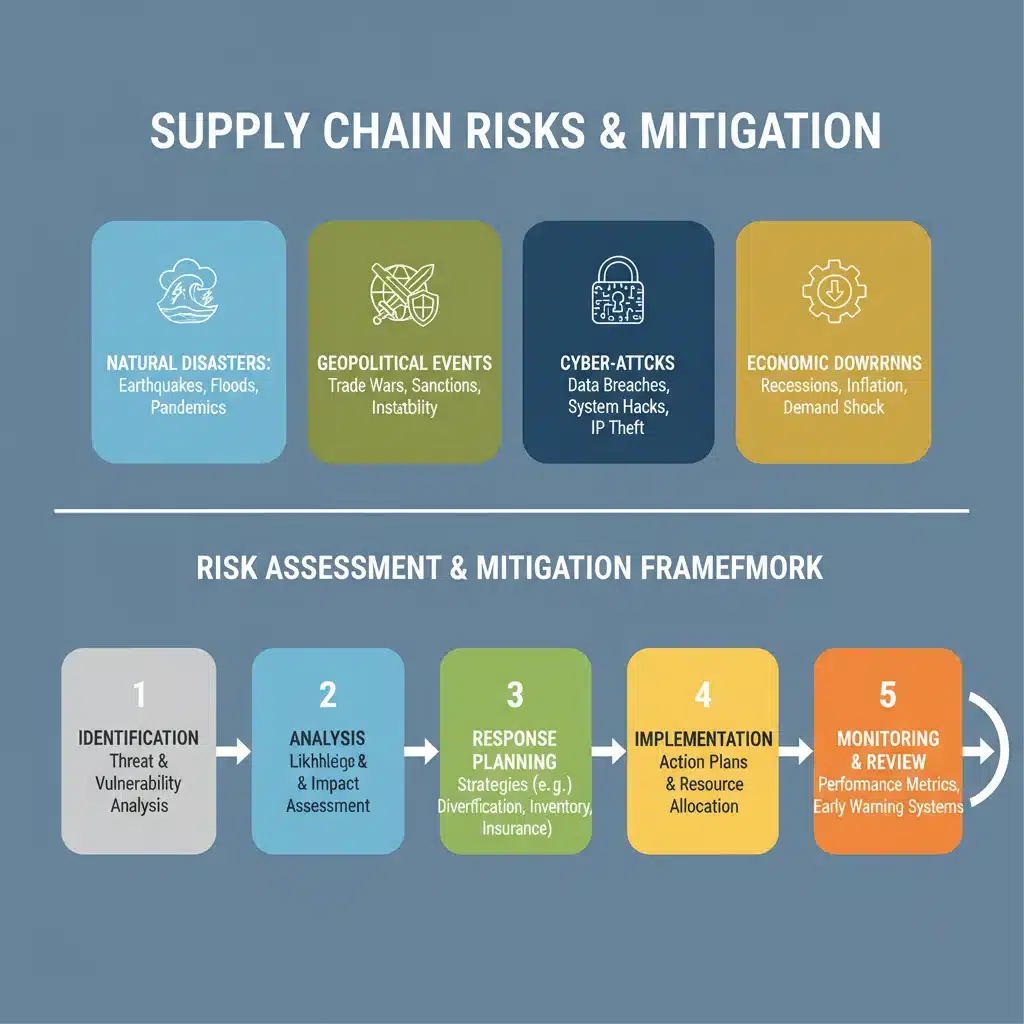
2. Scenario Planning and Stress Testing
What if a key port closes? What if a major supplier goes bankrupt? What if a severe weather event impacts a distribution center? Retailers need to regularly engage in scenario planning, simulating various disruption events and stress-testing their supply chain’s ability to cope. This involves defining potential disruptions, analyzing their impact, and developing contingency plans. Regular drills and tabletop exercises can help teams practice their responses, identify weaknesses in their plans, and refine protocols, thereby strengthening their retail supply resilience. This also helps in allocating resources effectively for potential crises.
3. Building Redundancy and Buffer Stocks
While ‘just-in-time’ aims for minimal inventory, building a degree of redundancy and maintaining strategic buffer stocks for critical items can be a lifesaver during disruptions. This doesn’t mean stockpiling everything, but rather intelligently identifying essential goods or components that would halt operations if unavailable. These buffer stocks can act as a crucial bridge during supply interruptions, buying time for alternative solutions to be implemented and preserving retail supply resilience. The key is to balance the cost of holding inventory against the cost of stockouts.
Collaboration and Partnerships: Strengthening the Ecosystem
No retailer operates in a vacuum. Strong collaboration across the entire ecosystem is vital for collective retail supply resilience.
1. Strengthening Supplier Relationships
Moving beyond transactional relationships to fostering deep, collaborative partnerships with key suppliers is paramount. This involves sharing information, jointly developing risk mitigation strategies, and offering support during challenging times. Transparent communication and mutual trust can lead to greater flexibility and preferential treatment during periods of scarcity. Long-term contracts with built-in flexibility clauses can also provide stability and assurance, contributing significantly to retail supply resilience.
2. Industry Collaboration and Information Sharing
Retailers within the same industry often face similar supply chain challenges. Participating in industry forums, sharing best practices, and even collaborating on common infrastructure or logistics solutions can create a more resilient ecosystem for all. Information sharing about emerging risks, successful mitigation strategies, and even supplier performance can benefit the entire sector, collectively enhancing retail supply resilience. This could involve shared databases of vetted suppliers or joint advocacy for infrastructure improvements.
3. Government and Public Sector Engagement
Engaging with government bodies and public sector organizations can help retailers stay informed about regulatory changes, trade policies, and potential infrastructure investments that could impact supply chains. Advocating for policies that support supply chain stability, such as investment in port infrastructure or favorable trade agreements, can contribute to a more predictable and resilient operating environment for US retailers, thus fostering broader retail supply resilience.
Optimizing Inventory and Logistics for Agility
Efficient inventory management and flexible logistics are critical components of retail supply resilience, allowing retailers to adapt quickly to changing conditions.
1. Dynamic Inventory Management Systems
Gone are the days of static inventory targets. Modern retailers need dynamic inventory management systems that leverage real-time data and AI to adjust stock levels based on fluctuating demand, lead times, and potential disruptions. This includes optimizing inventory placement across multiple distribution centers and stores, enabling rapid fulfillment from the closest available stock point. Such systems are crucial for maintaining optimal stock levels while minimizing holding costs and maximizing retail supply resilience.
2. Multi-Modal Transportation Strategies
Relying solely on one mode of transportation (e.g., ocean freight) can create significant vulnerabilities. Implementing multi-modal strategies, which involve combining different transport methods like air, rail, and road, provides flexibility. If one route or mode is disrupted, goods can be quickly shifted to an alternative. This agility in logistics is a fundamental aspect of building robust retail supply resilience. For high-value or time-sensitive goods, air freight might be a more expensive but necessary alternative during crises.
3. Micro-Fulfillment Centers and Dark Stores
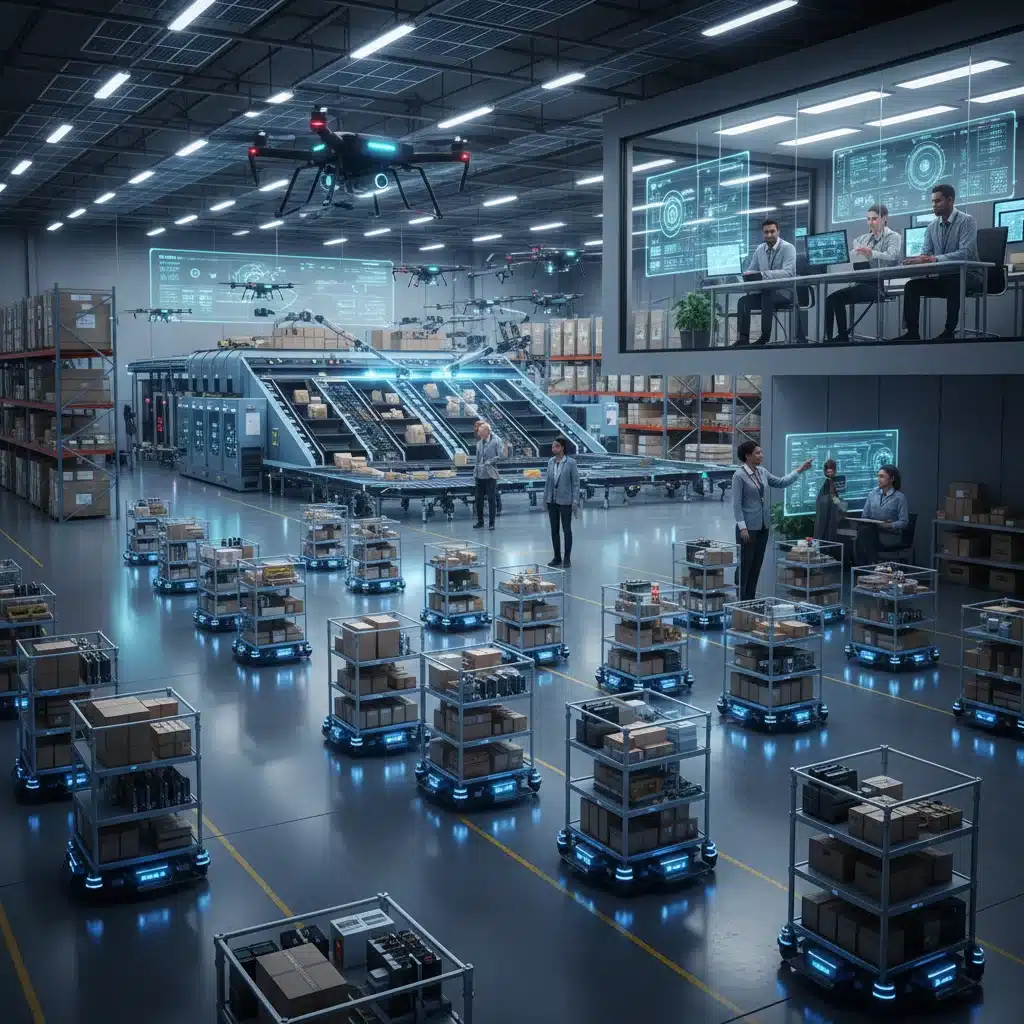
To meet the demands of rapid e-commerce fulfillment and reduce last-mile delivery times, many retailers are investing in micro-fulfillment centers and converting existing stores into ‘dark stores’ for online order picking. These smaller, strategically located facilities bring inventory closer to the customer, reducing reliance on large, centralized distribution centers that might be vulnerable to regional disruptions. This localized approach significantly enhances retail supply resilience by decentralizing inventory and speeding up delivery.
Building a Culture of Resilience
Ultimately, retail supply resilience is not just about technology and processes; it’s also about people and organizational culture. A resilient organization is one that embraces change, encourages proactive problem-solving, and values continuous learning.
1. Talent Development and Training
Investing in training programs that equip supply chain professionals with the skills to navigate complex disruptions is essential. This includes analytical skills, risk management expertise, cross-functional collaboration, and proficiency in new technologies. A knowledgeable and adaptable workforce is a critical asset in building and maintaining retail supply resilience.
2. Cross-Functional Collaboration
Breaking down departmental silos and fostering strong collaboration between supply chain, sales, marketing, finance, and IT teams ensures that decisions are made with a holistic understanding of their impact. When all functions are aligned and communicate effectively, the organization’s ability to respond to and recover from disruptions is significantly enhanced, contributing to overall retail supply resilience.
3. Continuous Improvement and Learning
The journey to enhanced retail supply resilience is ongoing. Retailers must establish mechanisms for continuous monitoring, evaluation, and learning from both successes and failures. Post-disruption analyses, regular performance reviews, and feedback loops are vital for refining strategies and adapting to evolving threats. This iterative approach ensures that resilience capabilities are constantly being strengthened.
Measuring and Achieving the 20% Reduction Target
Setting an ambitious goal of a 20% annual reduction in disruptions requires clear metrics and a structured approach to measurement. Retailers need to define what constitutes a ‘disruption’ and establish baseline metrics for key performance indicators (KPIs) related to supply chain stability. These might include:
- Number of Stockouts: Tracking instances where products are unavailable due to supply chain issues.
- Average Lead Time Variance: Measuring the deviation from planned delivery schedules.
- Supplier Performance Reliability: Assessing the percentage of on-time, in-full deliveries from suppliers.
- Recovery Time from Disruptions: How quickly the supply chain returns to normal operations after an event.
- Cost of Expedited Shipping: A direct indicator of reactive measures taken due to disruptions.
- Customer Order Fill Rate: The percentage of customer orders fulfilled completely from available stock.
By consistently tracking these KPIs and implementing the strategies outlined above, US retailers can quantitatively measure their progress towards the 20% reduction target. Regular reporting and transparent communication of these metrics across the organization will foster accountability and drive continuous improvement in retail supply resilience.
Conclusion: A Resilient Future for US Retail
The journey towards achieving a 20% annual reduction in supply chain disruptions by 2026 is challenging but essential for the long-term viability and growth of US retailers. It requires a strategic shift from traditional, cost-focused models to a more holistic approach that prioritizes retail supply resilience. By embracing technological innovation, diversifying supplier networks, implementing proactive risk management, fostering collaboration, and cultivating a culture of adaptability, retailers can build supply chains that are not only robust against shocks but also agile enough to capitalize on new opportunities.
The investment in retail supply resilience is no longer an optional expense; it is a strategic imperative that yields significant returns in terms of sustained profitability, enhanced customer loyalty, and competitive advantage. As the global landscape continues to evolve, those US retailers who proactively build and maintain highly resilient supply chains will be the ones best positioned to thrive in the complex and unpredictable world of tomorrow.