Series A Funding: Navigating the U.S. Startup Ecosystem

The journey from a groundbreaking idea to a thriving enterprise is often punctuated by critical funding milestones. For many U.S. startups, the Series A funding round represents the pivotal moment when a promising venture transitions from an early-stage concept to a high-growth company poised for market dominance. Beyond the initial seed capital that helps validate a product or service, Series A funding is about scaling operations, expanding market reach, and building a robust team capable of executing an ambitious vision. Navigating this complex stage requires meticulous preparation, a deep understanding of investor expectations, and a strategic approach to showcasing your company’s potential.
In the dynamic and highly competitive U.S. startup ecosystem, securing Series A funding is far from guaranteed. It demands more than just a good idea; it requires a proven business model, clear traction, and a compelling narrative that convinces venture capitalists (VCs) that your company is the next big success story. This comprehensive guide will delve into the intricacies of Series A funding, offering insights into what investors look for, how to prepare effectively, and strategies to successfully close your round in the current economic climate.
Understanding the Significance of Series A Funding
Before diving into the ‘how-to,’ it’s crucial to grasp why Series A funding holds such immense importance. Unlike seed rounds, which primarily validate an idea and build an MVP, Series A is designed to scale a proven concept. It’s about taking your initial success and amplifying it significantly. This round typically involves institutional investors, primarily venture capital firms, who are looking for companies with substantial growth potential and a clear path to profitability or a significant market exit.
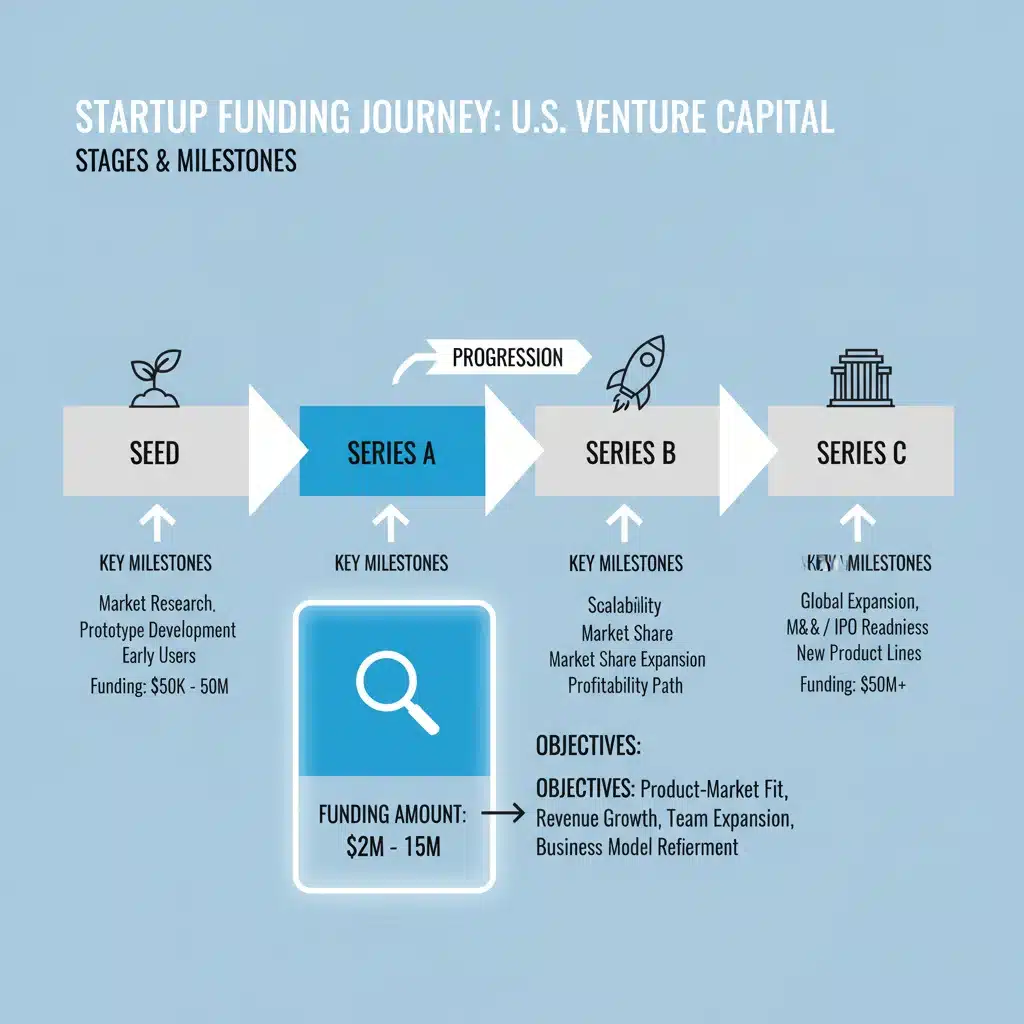
The capital raised in a Series A round is often substantial, ranging from a few million to tens of millions of dollars, depending on the industry, company stage, and market conditions. This funding enables startups to:
- Expand Operations: Hire key talent, build out sales and marketing teams, and invest in infrastructure.
- Achieve Market Penetration: Aggressively pursue customer acquisition strategies and expand into new markets.
- Product Development: Further develop and refine the product, adding new features and functionalities.
- Establish a Sustainable Business Model: Optimize revenue streams and achieve greater operational efficiency.
For many startups, securing Series A funding is the validation they need to truly accelerate their growth trajectory and cement their position in the market. It signals to competitors, customers, and future investors that the company has significant potential and is on a path to becoming a major player.
Key Metrics and Milestones Investors Expect for Series A Funding
Venture capitalists are data-driven. When evaluating a startup for Series A funding, they look beyond the enthusiasm and delve deep into the numbers. While specific metrics vary by industry, several universal indicators signal readiness for this significant investment round.
Product-Market Fit (PMF)
This is arguably the most critical factor. Investors want to see undeniable evidence that your product or service satisfies a strong market demand. This isn’t just about having users; it’s about having engaged, loyal users who find immense value in what you offer. Evidence of PMF can include:
- High Retention Rates: Users consistently coming back and using your product.
- Strong Engagement Metrics: Active users, time spent on platform, feature adoption.
- Positive Customer Feedback: Testimonials, high NPS (Net Promoter Score), low churn.
- Organic Growth: Customers acquiring your product without heavy marketing spend, indicating inherent demand.
Traction and Revenue
While seed-stage startups might get by on projections, Series A demands proof of concept in the form of tangible traction. This often translates to revenue, though not always profitability. Key revenue-related metrics include:
- Monthly Recurring Revenue (MRR) or Annual Recurring Revenue (ARR): For SaaS and subscription-based businesses, this is paramount. Investors typically look for significant MRR growth (e.g., 15-20% month-over-month) and a substantial current MRR (often in the range of $100k-$1M).
- Customer Acquisition Cost (CAC): How much it costs to acquire a new customer. Investors want to see an efficient CAC that is sustainable.
- Customer Lifetime Value (LTV): The total revenue a business can expect from a single customer account. A healthy LTV:CAC ratio (e.g., 3:1 or higher) is highly attractive.
- Unit Economics: Understanding the profitability of each individual unit of your product or service.
Team Strength and Vision
Beyond the numbers, the team remains a critical component. Investors are betting on the people behind the product. They look for:
- Experience and Expertise: A team with relevant industry experience and a track record of execution.
- Complementary Skill Sets: A diverse team that covers all essential functions (tech, marketing, sales, operations).
- Leadership and Vision: A strong, charismatic leader who can articulate the company’s vision and inspire confidence.
- Culture: A positive and productive company culture that can attract and retain top talent.
Market Opportunity
Even with a great product and team, if the market isn’t large enough, the growth potential is limited. VCs seek companies addressing substantial Total Addressable Markets (TAM) with clear opportunities for expansion. They want to understand your market segmentation, competitive landscape, and how you plan to capture a significant share.
The Current U.S. Startup Ecosystem: What’s Different?
The U.S. startup ecosystem is constantly evolving, influenced by macroeconomic factors, technological shifts, and investor sentiment. In recent years, several trends have reshaped the landscape for Series A funding.
Increased Scrutiny and Higher Bar for Traction
Following periods of exuberant valuations, investors have become more discerning. The bar for traction required at Series A has significantly risen. Companies are now expected to demonstrate stronger revenue, more robust unit economics, and clearer paths to profitability than in previous years. "Growth at all costs" is being replaced by "efficient growth."
Focus on Profitability and Sustainable Models
While growth remains important, the emphasis has shifted towards sustainable business models and a realistic path to profitability. VCs are less willing to fund companies that require endless capital injections without a clear plan for generating positive cash flow. This means startups must have a solid financial model and a credible strategy for achieving profitability within a reasonable timeframe.
Valuation Adjustments
Valuations for Series A rounds have experienced adjustments, making it a more challenging environment for founders seeking sky-high valuations seen during peak market conditions. Founders need to be realistic about their company’s valuation based on current metrics and market comparables.
Sector-Specific Hotbeds
Certain sectors continue to attract significant Series A funding. AI, enterprise SaaS, climate tech, biotech, and fintech remain strong areas of interest. However, even within these sectors, the emphasis is on groundbreaking innovation and demonstrable impact.
Importance of Network and Warm Introductions
While always important, warm introductions from trusted sources (other founders, angel investors, advisors) are even more critical in a competitive funding environment. Cold outreach is rarely effective for securing a Series A meeting.
Preparing for Your Series A Funding Round
Preparation is key to a successful Series A funding round. This isn’t a process you can rush; it requires several months of strategic planning and execution.
1. Refine Your Business Plan and Financial Model
Your business plan should be a living document, constantly updated with new insights and data. For Series A, it needs to be incredibly detailed, outlining your market, competitive advantage, growth strategy, and a clear path to profitability. Your financial model must be robust, defensible, and demonstrate how the Series A capital will be deployed to achieve specific milestones and generate significant returns for investors. Include detailed projections for revenue, expenses, cash flow, and key performance indicators (KPIs) for the next 3-5 years.
2. Build a Stellar Pitch Deck
Your pitch deck is your company’s story condensed into a compelling visual narrative. It should be concise, professional, and address all the key questions investors will have. Essential slides include:
- Problem: Clearly articulate the pain point you are solving.
- Solution: Introduce your product/service and how it addresses the problem.
- Market Opportunity: Define your TAM and target market.
- Product: Show what you’ve built, its features, and user experience.
- Traction: Present your key metrics, growth, and customer feedback.
- Business Model: Explain how you make money.
- Go-to-Market Strategy: How you acquire customers and scale.
- Team: Highlight the experience and expertise of your core team.
- Financials: Summarize key financial projections and use of funds.
- Ask: Clearly state how much you are raising and what you will achieve with it.
3. Optimize Your Data Room
Once an investor expresses serious interest, they will request access to your data room. This digital repository should contain all relevant documents, organized meticulously. This includes:
- Detailed financial statements (historical and projected).
- Legal documents (incorporation, cap table, existing investment agreements).
- Product documentation (roadmaps, user analytics).
- Marketing materials (case studies, customer testimonials).
- Team resumes and organizational chart.
A well-organized data room demonstrates professionalism and efficiency, making the due diligence process smoother for investors.

Navigating the Investor Engagement Process
Engaging with investors for Series A funding is a strategic dance that requires persistence, persuasion, and a keen understanding of investor psychology.
Targeting the Right Investors
Not all VCs are created equal. Research firms that specialize in your industry, invest at your stage, and have a track record of success with similar companies. Look for partners who can bring more than just capital – strategic guidance, network connections, and operational expertise are invaluable. Use platforms like Crunchbase or PitchBook to identify relevant firms and their partners.
Warm Introductions are Paramount
As mentioned, cold emails rarely work for Series A. Leverage your network: existing investors, advisors, mentors, and even other founders who have raised similar rounds. A warm introduction significantly increases your chances of securing an initial meeting.
Mastering the Pitch Meeting
Be prepared for multiple rounds of meetings. The initial pitch is about sparking interest. Subsequent meetings will delve deeper into your business, technology, team, and financials. Be concise, confident, and able to answer tough questions. Practice your pitch relentlessly until it feels natural and compelling. Be authentic and passionate about your vision.
Due Diligence: A Marathon, Not a Sprint
Once an investor expresses strong interest, they will initiate due diligence. This is an exhaustive process where they scrutinize every aspect of your business. Be responsive, transparent, and have all your documentation readily available in your data room. This phase can take weeks or even months.
Term Sheet Negotiation
If due diligence is successful, you’ll receive a term sheet. This document outlines the proposed terms of the investment, including valuation, equity stake, investor rights, board seats, and protective provisions. It’s crucial to have experienced legal counsel to help you navigate these negotiations. Focus on key terms that impact control and future fundraising flexibility, not just the headline valuation.
Common Pitfalls to Avoid in Series A Funding
Even well-prepared startups can stumble during their Series A funding round. Being aware of common pitfalls can help you avoid them.
- Lack of Clear Traction: Going into Series A without demonstrable product-market fit and significant growth metrics is a recipe for rejection.
- Unrealistic Valuation Expectations: Overvaluing your company can deter investors or lead to protracted negotiations and ultimately, no deal. Be grounded in current market realities.
- Weak Team Composition: Investors invest in people. A team lacking essential skills, experience, or cohesion will raise red flags.
- Poor Storytelling: Failing to articulate a compelling vision, market opportunity, and how your company will achieve significant scale.
- Ignoring Unit Economics: Not understanding your customer acquisition costs, lifetime value, and profitability per customer indicates a lack of business acumen.
- Insufficient Preparation: A messy data room, an unpolished pitch, or an inability to answer basic questions demonstrates a lack of professionalism and foresight.
- Only Talking to One Investor: Creating a competitive process is essential. Engage with multiple investors simultaneously to create leverage and ensure you get the best terms.
- Running Out of Runway: Starting your fundraising process too late, leaving insufficient time to close the round, can put you in a desperate negotiating position.
The Role of Advisors and Legal Counsel
Securing Series A funding is not a solo endeavor. The right support system can make a significant difference.
Experienced Advisors
Engaging advisors with a proven track record in your industry or in fundraising can provide invaluable guidance. They can help refine your strategy, introduce you to investors, and offer insights into what VCs are looking for. Choose advisors who are genuinely invested in your success and can open doors.
Legal Expertise
A skilled legal team specializing in venture capital and startup law is non-negotiable. They will help you:
- Structure your company correctly from the outset.
- Review and negotiate term sheets, ensuring favorable terms for your company and founders.
- Manage the due diligence process and prepare necessary legal documentation.
- Protect your intellectual property.
Trying to cut corners on legal advice during a Series A round can lead to significant problems down the line, potentially impacting future funding rounds or even the sale of your company.
Post-Series A: What Comes Next?
Securing Series A funding is a triumph, but it’s also just the beginning. The serious work of scaling your company truly begins now. The capital comes with expectations, and investors will be closely monitoring your progress against the milestones you committed to during the fundraising process.
Execution and Growth
The primary focus immediately after Series A is on executing your growth strategy. This means hiring rapidly, expanding your sales and marketing efforts, continuing product development, and solidifying your operational infrastructure. You will be expected to demonstrate significant growth in key metrics and achieve the milestones outlined in your business plan.
Investor Relations
Maintaining strong relationships with your new investors is crucial. Provide regular updates, be transparent about challenges, and leverage their expertise and networks. Your board, which will likely include investor representatives, will play a more active role in guiding the company’s strategic direction.
Preparing for Future Rounds
Even as you celebrate your Series A, the clock starts ticking for your next funding round. The milestones you achieve post-Series A will directly influence your ability to raise a Series B. Continuously track your KPIs, build a strong management team, and cultivate a culture of performance and accountability.
Conclusion: Mastering the Series A Funding Journey
Series A funding is a transformative stage for any U.S. startup. It marks the transition from an experimental venture to a serious contender, backed by institutional capital and a clear mandate for aggressive growth. While the process is demanding and the current ecosystem presents unique challenges, success is achievable through meticulous preparation, a deep understanding of investor expectations, and a compelling articulation of your company’s vision and potential.
By focusing on demonstrable product-market fit, robust traction, a strong team, and a sustainable business model, founders can position their companies favorably. Leveraging a strong network, mastering the pitching process, and navigating due diligence with transparency and professionalism are also critical. Remember, securing Series A funding is not merely about raising capital; it’s about forming strategic partnerships that will propel your company towards its next phase of exponential growth and ultimately, market leadership. The journey is arduous, but the rewards for those who master it are immense, paving the way for a lasting impact in the vibrant U.S. startup landscape.