Brand Reputation Management 2026: Protect 10% Revenue from Risk
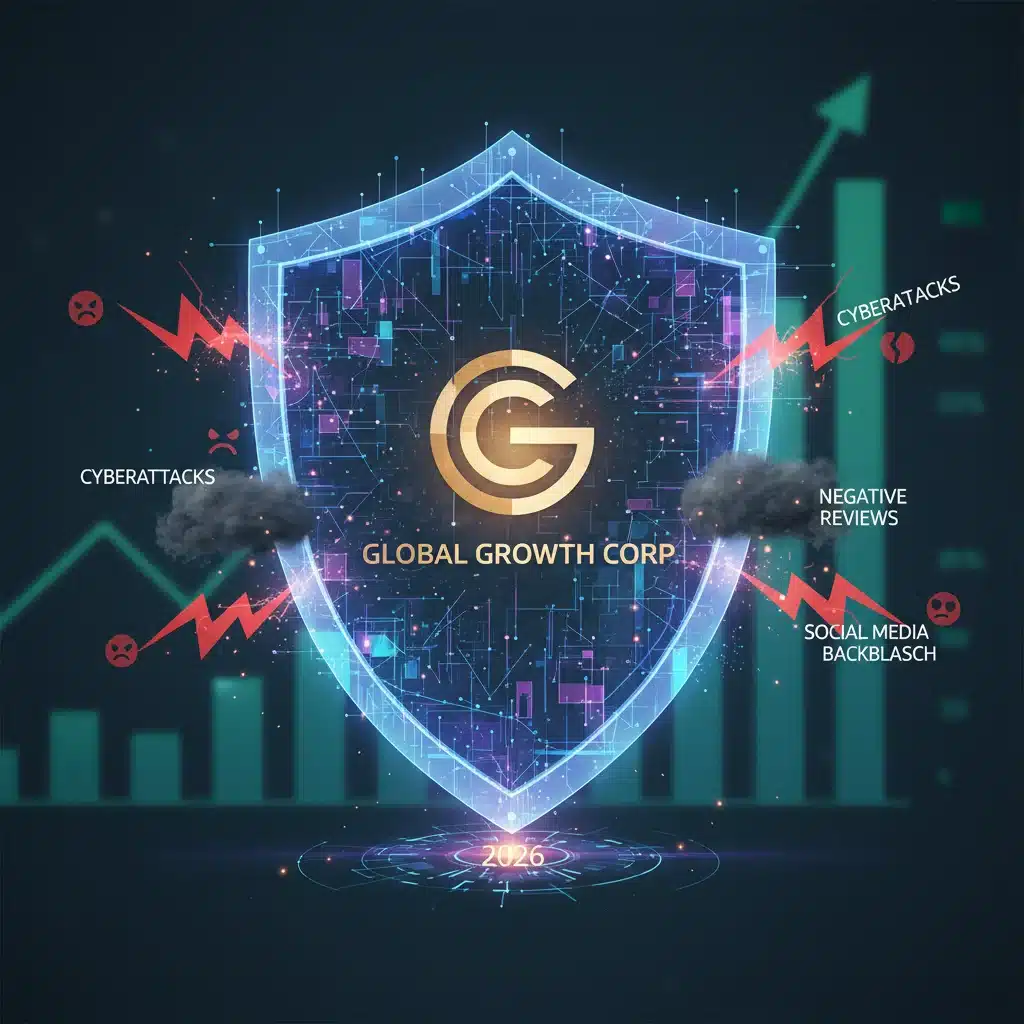
In the rapidly evolving digital landscape of 2026, the concept of brand reputation management has transcended traditional public relations to become a cornerstone of financial stability and long-term business success. No longer a peripheral concern, a strong and positive brand reputation is now directly quantifiable, with studies indicating that effective management can safeguard up to 10% of a company’s annual revenue. This isn’t merely about avoiding negative press; it’s about proactively building resilience, fostering trust, and ensuring sustained growth in an era where information spreads at lightning speed and consumer sentiment can shift in an instant.
The stakes have never been higher. A single misstep, a poorly handled customer complaint, a data breach, or an ill-conceived social media post can trigger a cascade of negative consequences, eroding consumer trust, deterring investors, and ultimately impacting the bottom line. Conversely, a stellar reputation acts as a powerful competitive differentiator, attracting top talent, commanding premium pricing, and fostering unwavering customer loyalty. For businesses aiming to thrive in 2026 and beyond, understanding and mastering the intricacies of brand reputation management is not just an advantage – it’s an absolute necessity.
The Financial Imperative of Robust Brand Reputation Management
The direct link between brand reputation and financial performance is becoming increasingly clear. In 2026, market analysts and investors are scrutinizing a company’s reputation as closely as its balance sheet. A strong reputation can lead to higher stock valuations, lower cost of capital, and increased revenue through enhanced customer acquisition and retention. Conversely, a damaged reputation can result in significant financial losses, including decreased sales, higher marketing expenditures to repair trust, and potential legal fees or regulatory fines. Research suggests that a crisis-induced reputation hit can wipe out as much as 20-30% of a company’s market value, underscoring the critical role of proactive brand reputation management.
Consider the cost of inaction. Without a robust strategy, businesses leave themselves vulnerable to unforeseen risks that can quickly escalate into full-blown crises. These risks are multifaceted, ranging from supply chain disruptions and ethical controversies to product recalls and negative employee reviews. Each of these can chip away at consumer confidence and, by extension, revenue. Protecting that 10% of annual revenue isn’t just a best-case scenario; it’s a tangible goal achievable through strategic foresight and continuous vigilance in your brand reputation management efforts.
Key Pillars of Brand Reputation Management in 2026
Effective brand reputation management in 2026 requires a multi-pronged approach that integrates technology, human insight, and strategic communication. Here are the fundamental pillars:
1. Proactive Monitoring and AI-Powered Intelligence
The ability to detect potential threats before they escalate is paramount. In 2026, this means leveraging advanced AI and machine learning tools for real-time sentiment analysis across all digital channels – social media, news outlets, review sites, forums, and even dark web discussions. These tools can identify emerging negative trends, track brand mentions, and analyze public sentiment with unprecedented accuracy and speed. Early warning systems powered by AI allow companies to address issues when they are small, preventing them from metastasizing into major crises that impact brand reputation management.
Beyond simply identifying negative sentiment, AI can also pinpoint key influencers, track competitor activities, and even predict potential reputation risks based on historical data and industry trends. This predictive capability is a game-changer, allowing businesses to prepare for and even prevent reputation crises rather than merely reacting to them. A comprehensive monitoring strategy is the first line of defense in protecting your brand’s image and financial health.
2. Crisis Preparedness and Rapid Response Protocols
Even with the most sophisticated monitoring, crises can and will occur. The true test of effective brand reputation management lies in a company’s ability to respond swiftly, transparently, and effectively. This requires a well-defined crisis communication plan that outlines clear roles, responsibilities, and communication channels. Key elements include:
- Designated Crisis Team: A cross-functional team with defined leadership and decision-making authority.
- Pre-approved Messaging: Drafted statements and FAQs for common scenarios, ready for rapid deployment.
- Communication Channels: Identification of primary and secondary channels for communicating with stakeholders (media, customers, employees, investors).
- Simulation Drills: Regular practice runs to ensure the team is prepared for various crisis scenarios.
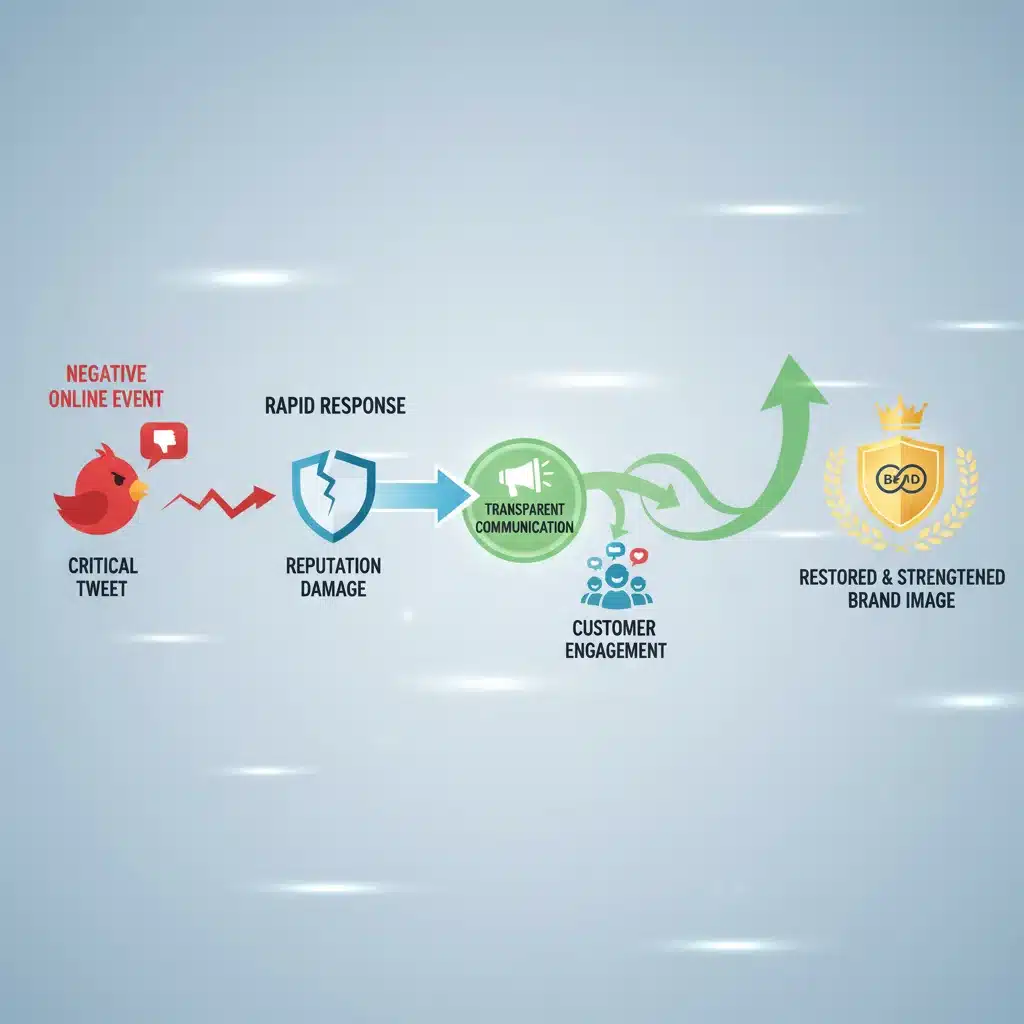
Speed is critical. In the digital age, a slow or inadequate response can be more damaging than the initial incident itself. A rapid, empathetic, and transparent response can often de-escalate a situation, demonstrate corporate responsibility, and even turn a potential negative into a positive by showcasing resilience and commitment to stakeholders. This proactive approach to crisis management is integral to strong brand reputation management.

3. Cultivating a Positive Digital Footprint
While mitigating risks is crucial, brand reputation management also involves actively building and maintaining a positive online presence. This means consistently delivering high-quality content, engaging authentically with customers, and fostering positive reviews and testimonials. Businesses in 2026 must be proactive in shaping their narrative, rather than leaving it to chance.
- Content Marketing: Creating valuable, informative, and engaging content that showcases expertise and reinforces brand values.
- Social Media Engagement: Active participation in relevant online conversations, responding to comments (both positive and negative), and building a community around the brand.
- Influencer Relations: Collaborating with credible influencers who align with brand values to amplify positive messages.
- Online Review Management: Encouraging satisfied customers to leave reviews and promptly addressing any negative feedback with a solutions-oriented approach.
A strong positive digital footprint acts as a buffer against potential negative attacks. When a brand has a wealth of positive content and interactions, a single negative incident is less likely to significantly impact overall perception. This continuous effort to build a positive online presence is a core component of effective brand reputation management.
4. Employee Advocacy and Internal Communication
Your employees are your most valuable brand ambassadors – or your greatest reputation risk. In 2026, internal communication and employee advocacy are integral to brand reputation management. Engaged and informed employees are more likely to speak positively about your company, defend it against criticism, and uphold its values. Conversely, disengaged or disgruntled employees can quickly damage a brand’s image, especially in an era of anonymous review sites and social media transparency.
Strategies for fostering employee advocacy include:
- Transparent Communication: Keeping employees informed about company news, challenges, and successes.
- Empowerment and Trust: Giving employees a voice and trusting them to represent the brand responsibly.
- Training and Resources: Providing employees with the tools and knowledge to effectively communicate brand messages.
- Recognition and Reward: Acknowledging and celebrating employees who embody brand values and contribute positively to the company’s reputation.
Investing in internal communication and employee well-being is not just good HR practice; it’s a strategic investment in your brand’s reputation and, by extension, its financial resilience.
The Evolving Landscape: What’s New in 2026 for Brand Reputation Management?
While the core principles of brand reputation management remain constant, the tools, challenges, and opportunities are continually evolving. Here’s what’s particularly prominent in 2026:
Deep Fakes and AI-Generated Misinformation
The proliferation of sophisticated AI-generated content, including deep fakes (realistic but fabricated images, audio, and video), poses a significant threat to brand reputation. A single well-crafted deep fake could quickly spread misinformation, leading to widespread confusion and damage. Companies in 2026 must invest in AI-powered verification tools and develop robust crisis plans specifically designed to combat AI-generated disinformation. This new frontier requires advanced vigilance in brand reputation management.
Increased Scrutiny on ESG (Environmental, Social, Governance)
Consumers, investors, and regulators are placing unprecedented importance on a company’s ESG performance. Greenwashing, unethical labor practices, or poor governance can severely damage a brand’s reputation and lead to significant financial penalties. Transparent reporting, authentic commitment to sustainability, and demonstrable social impact are no longer optional but essential components of good brand reputation management.
Web3 and Decentralized Reputation Systems
As Web3 technologies like blockchain and decentralized autonomous organizations (DAOs) gain traction, the concept of reputation itself might evolve. Decentralized reputation systems, where individual and brand reputation is built on verifiable on-chain interactions, could emerge. While still nascent, businesses should monitor these developments and understand their potential long-term impact on how trust and credibility are established and maintained. Adapting to these new paradigms will be crucial for future-proof brand reputation management.
Hyper-Personalized Customer Experiences
In 2026, customers expect highly personalized experiences. A failure to meet these expectations, or conversely, a perceived invasion of privacy, can quickly lead to negative sentiment. Balancing personalization with data privacy and ethical AI usage is a delicate act that directly impacts customer satisfaction and, consequently, brand reputation. Companies must demonstrate a clear commitment to customer well-being and data security as part of their comprehensive brand reputation management strategy.
Measuring the ROI of Brand Reputation Management
Demonstrating the return on investment (ROI) for brand reputation management is crucial for securing executive buy-in and resource allocation. While some aspects are qualitative, many can be quantified:
- Revenue Protection: As highlighted, protecting that 10% of annual revenue by preventing or mitigating crises is a direct financial benefit.
- Customer Lifetime Value (CLTV): A strong reputation fosters loyalty, leading to higher CLTV.
- Customer Acquisition Cost (CAC): Positive word-of-mouth and a strong brand image can reduce CAC.
- Talent Acquisition and Retention: A good employer brand attracts top talent and reduces recruitment costs.
- Stock Price and Market Valuation: Companies with strong reputations often command higher valuations.
- Risk Mitigation Costs: A proactive approach can reduce legal fees, regulatory fines, and settlement costs associated with reputation crises.
- Brand Premium: The ability to charge a premium for products or services due to perceived quality and trust.
By tracking these metrics, businesses can clearly articulate the financial value of their brand reputation management efforts and justify continued investment in this critical area.
Building a Resilient Brand: A Long-Term Vision
Brand reputation management is not a one-time project but an ongoing commitment. It requires continuous adaptation, learning, and investment. In 2026, the brands that thrive will be those that view their reputation as a living asset – one that needs constant nourishment, protection, and strategic growth. It involves embedding ethical practices into the core of the business, fostering a culture of transparency, and prioritizing stakeholder trust above all else.
The journey to a resilient brand involves:
- Consistent Brand Messaging: Ensuring a unified voice and consistent values across all touchpoints.
- Ethical Conduct: Operating with integrity and transparency in all business dealings.
- Customer-Centricity: Placing the customer at the heart of all decisions and interactions.
- Adaptability: Being agile enough to respond to changing market conditions and emerging reputation risks.
- Continuous Learning: Regularly analyzing performance, identifying areas for improvement, and staying abreast of new trends and technologies in brand reputation management.
By focusing on these principles, businesses can not only protect their annual revenue but also build a powerful, enduring brand that stands the test of time and navigates the complexities of the modern world with confidence and integrity.
Conclusion: Your Brand, Your Future
In conclusion, the landscape of 2026 demands a sophisticated and proactive approach to brand reputation management. The financial implications of a strong or weak reputation are undeniable, with the potential to impact up to 10% of your annual revenue. By embracing AI-powered monitoring, developing robust crisis preparedness plans, cultivating a positive digital footprint, and fostering strong internal advocacy, businesses can build a resilient brand that not only withstands challenges but also thrives in an increasingly transparent and interconnected world.
The investment in brand reputation management is an investment in your company’s future – securing financial stability, fostering unwavering customer loyalty, and attracting the best talent. Don’t wait for a crisis to act; make reputation a strategic priority today and safeguard your brand’s most valuable asset.