Robotics & Automation: Slash US Warehouse Costs 25% by 2026
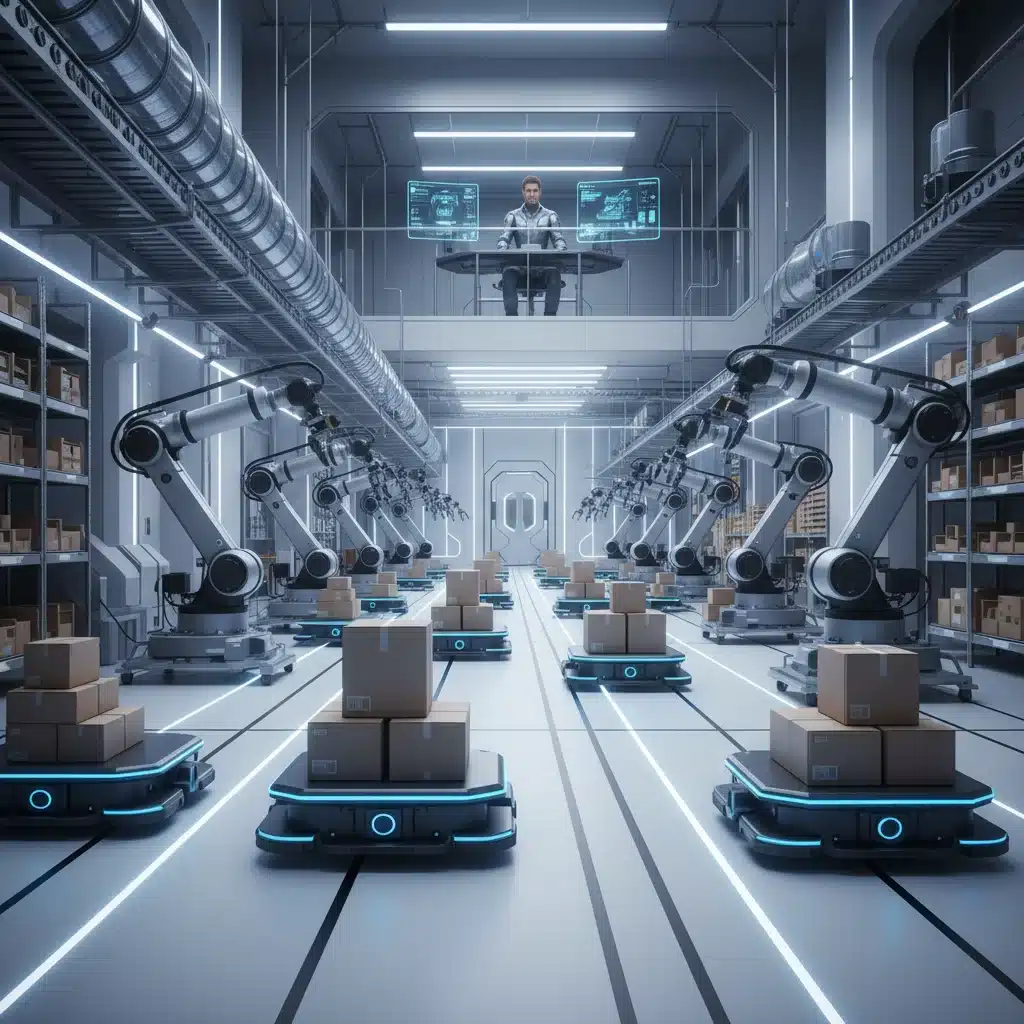
The landscape of US warehousing is undergoing a profound transformation, driven by an urgent need to enhance efficiency, mitigate labor challenges, and, critically, reduce operational expenditures. In an increasingly competitive global market, businesses are setting ambitious targets, with many aiming to slash their warehouse automation costs by a remarkable 25% over the next two years. This isn’t merely an optimistic projection; it’s a strategic imperative fueled by rapid advancements in robotics and automation technologies. This comprehensive article delves into how these innovations are not just a luxury but a necessity for achieving significant cost savings and sustainable growth in the modern supply chain.
The pressure on warehouses has never been greater. E-commerce boom, rising labor costs, and consumer demands for faster, cheaper delivery have pushed traditional warehousing models to their breaking point. Manual processes, while historically reliable, are often slow, prone to error, and increasingly expensive. This is where robotics and automation step in, offering scalable, precise, and cost-effective solutions that promise to revolutionize how goods are stored, processed, and dispatched. Understanding the core drivers and the practical applications of these technologies is the first step towards realizing substantial reductions in warehouse automation costs.
The Imperative for Cost Reduction in US Warehousing
US warehouses face a unique set of challenges that make cost reduction a top priority. Labor shortages, particularly for skilled warehouse workers, have driven up wages and increased recruitment and retention costs. Furthermore, the sheer volume and complexity of SKUs, coupled with fluctuating demand, necessitate flexible and adaptable systems that manual operations often struggle to provide. Energy consumption, space utilization, and the impact of errors (returns, damaged goods, incorrect shipments) all contribute significantly to overall operating expenses. Addressing these factors directly impacts warehouse automation costs and overall profitability.
Rising Labor Costs and Scarcity
One of the most significant line items in any warehouse budget is labor. The demand for warehouse workers has surged, creating a tight labor market. This scarcity not only inflates wages but also leads to higher turnover rates, which in turn incur substantial costs related to hiring, training, and onboarding new employees. Robotics and automation provide a viable solution by augmenting human labor, taking over repetitive, strenuous, or dangerous tasks, and allowing human workers to focus on more complex, value-added activities. This strategic reallocation of labor can dramatically reduce reliance on a constantly fluctuating workforce, directly impacting warehouse automation costs positively.
The E-commerce Effect: Speed and Accuracy Demands
The explosion of e-commerce has fundamentally altered consumer expectations. Next-day or even same-day delivery is becoming the norm, requiring warehouses to operate with unprecedented speed and accuracy. Manual order picking and packing simply cannot keep pace with these demands without significant scaling of labor, which is often uneconomical. Automated systems, such as robotic picking solutions and automated storage and retrieval systems (AS/RS), can process orders much faster and with near-perfect accuracy, minimizing errors that lead to costly returns and customer dissatisfaction. This enhanced efficiency directly translates into lower operational warehouse automation costs.
Space Optimization and Energy Efficiency
Real estate is another major expense for warehouses, especially in urban areas. Maximizing the utilization of existing space is crucial. Automated systems, particularly AS/RS, can store goods in much denser configurations and at greater heights than traditional manual methods, effectively increasing storage capacity without expanding the physical footprint. Furthermore, modern robotic systems are often designed with energy efficiency in mind, consuming less power per task than human-operated machinery or lighting vast areas for manual workers. These efficiencies contribute to a substantial reduction in overall warehouse automation costs.
Key Robotics and Automation Technologies Driving Cost Savings
The journey to a 25% reduction in warehouse automation costs is paved with innovative technologies. From autonomous vehicles to intelligent software, each component plays a vital role in optimizing different aspects of warehouse operations.
Autonomous Mobile Robots (AMRs) and Automated Guided Vehicles (AGVs)
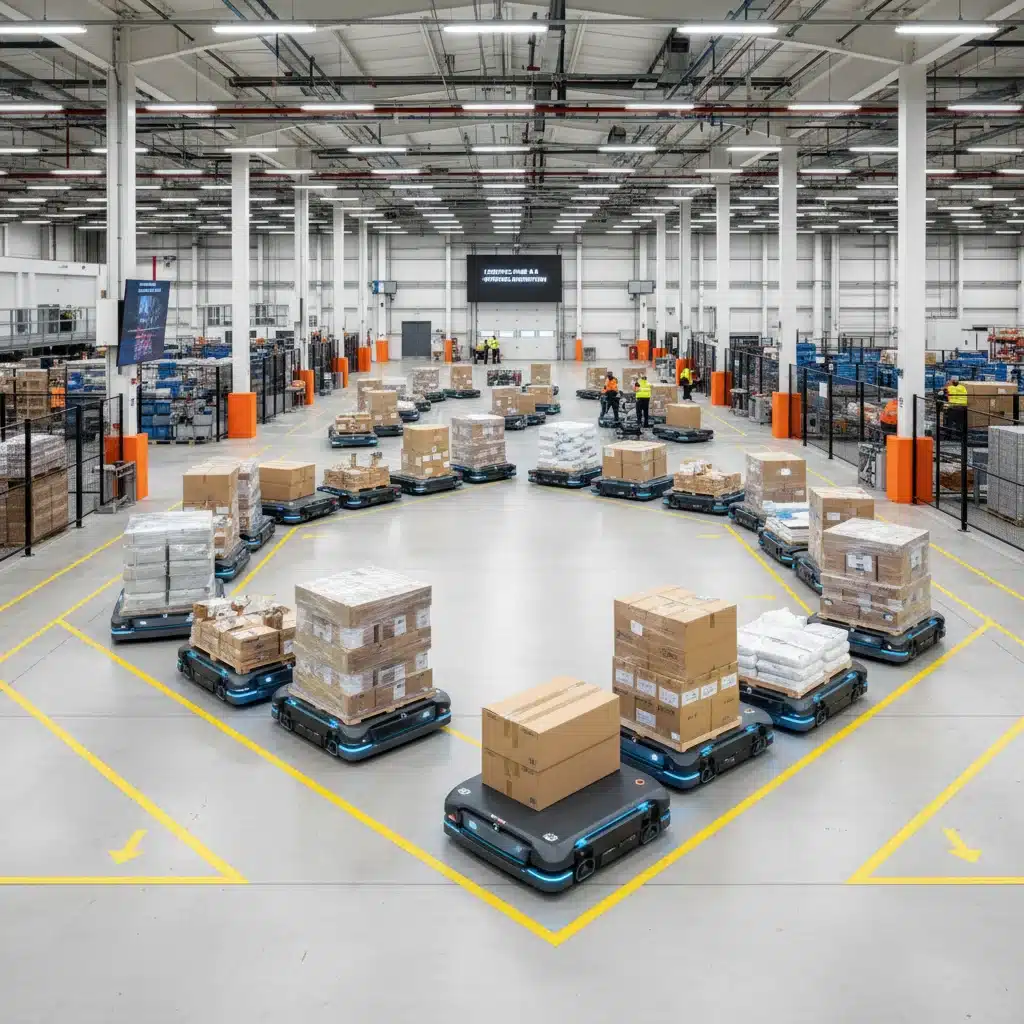
AMRs and AGVs are at the forefront of warehouse automation. AGVs follow fixed paths, ideal for repetitive transport tasks, while more sophisticated AMRs navigate dynamically, adapting to their environment and optimizing routes. Both significantly reduce the need for manual material handling, decreasing labor costs, improving safety, and ensuring consistent flow of goods. They are excellent for tasks like moving pallets, transporting picked items to packing stations, or replenishing inventory, directly impacting warehouse automation costs related to internal logistics.
Automated Storage and Retrieval Systems (AS/RS)
AS/RS are sophisticated systems that automatically store and retrieve inventory with high precision and speed. They come in various forms, including crane-based systems, shuttle systems, and carousel systems. By automating the storage and retrieval process, AS/RS dramatically reduce labor requirements, optimize vertical space utilization, and improve inventory accuracy. This leads to fewer mispicks, less product damage, and a significant decrease in the operational warehouse automation costs associated with storage and retrieval.
Robotic Picking and Packing Solutions
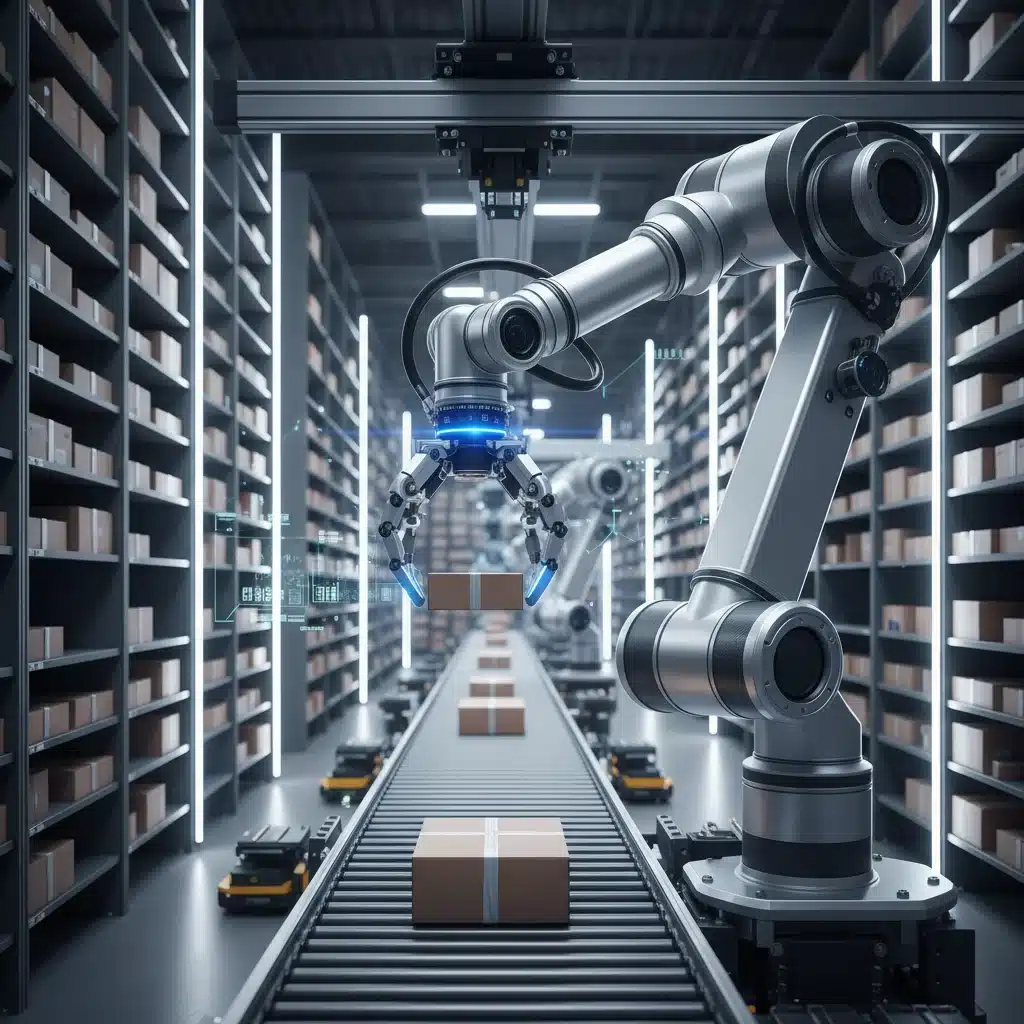
Robotic arms equipped with advanced vision systems and grippers are becoming increasingly adept at picking individual items. These robots can handle a wide variety of products, from small electronics to irregularly shaped items, with speed and accuracy far exceeding human capabilities for repetitive tasks. Similarly, robotic packing systems can automate the packaging process, reducing labor and material waste. Implementing these solutions directly addresses labor-intensive tasks, thereby reducing warehouse automation costs related to order fulfillment.
Conveyor Systems and Sortation Equipment
While not new, modern conveyor and sortation systems are more intelligent and integrated than ever before. They form the backbone of automated warehouses, moving items efficiently between different zones, picking stations, and packing areas. Advanced sortation equipment can handle high volumes of packages, directing them to the correct outbound lanes with exceptional speed and accuracy. These systems reduce manual handling, improve throughput, and contribute to lower warehouse automation costs by streamlining the flow of goods.
Warehouse Management Systems (WMS) and AI Integration
The true power of robotics and automation is unleashed when integrated with intelligent software. A robust Warehouse Management System (WMS) acts as the brain of the operation, coordinating all automated and manual processes. AI and machine learning algorithms are increasingly being integrated into WMS to optimize inventory placement, predict demand, schedule robotic tasks, and identify bottlenecks. This intelligent orchestration ensures that all automated assets are utilized to their full potential, maximizing efficiency and minimizing warehouse automation costs.
Strategic Implementation: Achieving the 25% Cost Reduction
Achieving a 25% reduction in warehouse automation costs within two years requires more than just buying robots; it demands a strategic, phased implementation plan. Success hinges on careful planning, pilot programs, and continuous optimization.
Phase 1: Assessment and Planning
The first step is a thorough assessment of current warehouse operations. This includes analyzing existing workflows, identifying bottlenecks, calculating current labor costs, and understanding peak demand periods. A detailed cost-benefit analysis for various automation solutions is crucial. Companies must define clear KPIs (Key Performance Indicators) for cost reduction, efficiency gains, and ROI. This foundational planning phase is critical for setting realistic goals for warehouse automation costs reduction.
Phase 2: Pilot Programs and Scalability
Instead of a full-scale overhaul, many companies find success by implementing pilot programs for specific areas or processes. This allows them to test the technology, train staff, and refine workflows on a smaller scale before a broader rollout. Choosing automation solutions that are scalable and modular is key, allowing businesses to expand their automated capabilities as needs evolve and as the benefits of reduced warehouse automation costs become evident.
Phase 3: Integration and Optimization
Seamless integration of new automation technologies with existing IT infrastructure (WMS, ERP systems) is paramount. Data flow must be uninterrupted and accurate to maximize the benefits of automation. Post-implementation, continuous monitoring and optimization are essential. This involves analyzing performance data, identifying areas for further improvement, and making adjustments to robotic paths, picking logic, or inventory strategies. This iterative process ensures that the initial investment in reducing warehouse automation costs continues to pay dividends.
Training and Workforce Transformation
Automation doesn’t necessarily mean eliminating jobs; it means transforming them. Investing in training programs for existing staff to operate, maintain, and troubleshoot robotic systems is crucial. This not only eases the transition but also creates a more skilled and engaged workforce, further enhancing operational efficiency and contributing to the overall reduction in warehouse automation costs.
Real-World Impact and Case Studies
Numerous companies across various sectors in the US are already demonstrating the tangible benefits of embracing warehouse automation. These success stories provide compelling evidence that a 25% reduction in warehouse automation costs is not only achievable but often surpassed.
E-commerce Fulfillment Centers
Large e-commerce giants have been pioneers in warehouse automation, utilizing fleets of AMRs to move inventory, robotic arms for picking, and sophisticated sortation systems. These investments have allowed them to process millions of orders daily, significantly reduce labor dependency for repetitive tasks, and achieve delivery speeds that were once unimaginable. The sheer scale of their operations means even marginal improvements in efficiency translate into massive reductions in warehouse automation costs.
Retail Distribution Centers
Traditional retailers are also heavily investing in automation to compete with online counterparts. By automating inbound processing, put-away, and order consolidation, they are streamlining their supply chains, reducing errors, and ensuring stores are replenished efficiently. This focus on optimizing the entire distribution network directly impacts their warehouse automation costs and improves overall profitability.
Third-Party Logistics (3PL) Providers
3PLs are adopting automation to offer more competitive services to their clients. By implementing flexible and scalable robotic solutions, they can handle diverse product types and fluctuating volumes more efficiently. This allows them to pass on cost savings to clients, attract new business, and maintain a strong competitive edge in the fast-evolving logistics sector, all while managing their internal warehouse automation costs more effectively.
Overcoming Challenges in Automation Adoption
While the benefits are clear, implementing warehouse automation is not without its challenges. Addressing these proactively is essential for a successful transition and for truly realizing the projected reduction in warehouse automation costs.
Initial Investment Costs
The upfront capital expenditure for automation technologies can be substantial. However, it’s crucial to view this as an investment rather than an expense. A detailed ROI analysis, considering long-term savings in labor, increased throughput, reduced errors, and optimized space, will typically justify the initial outlay. Financing options, leasing, and ‘robot-as-a-service’ (RaaS) models are also emerging to make automation more accessible and manage initial warehouse automation costs.
Integration Complexity
Integrating new automated systems with legacy IT infrastructure can be complex. This requires careful planning, robust APIs, and often, the expertise of integration specialists. A phased approach, as mentioned earlier, can help manage this complexity, allowing for iterative integration and testing, thereby minimizing disruption and unexpected spikes in warehouse automation costs.
Change Management and Employee Resistance
Any significant technological shift can be met with resistance from employees concerned about job security or the need to learn new skills. Effective change management strategies, including clear communication, transparent planning, and comprehensive training programs, are vital. Positioning automation as a tool to augment human capabilities and create higher-value roles can foster acceptance and ensure a smoother transition, preventing unforeseen increases in warehouse automation costs due to friction.
Maintenance and Technical Expertise
Automated systems require ongoing maintenance and specialized technical expertise to ensure optimal performance. Companies need to either invest in training their in-house teams or partner with third-party service providers. Neglecting maintenance can lead to costly downtime, eroding the planned reductions in warehouse automation costs. Planning for these operational expenditures from the outset is crucial.
The Future of Warehouse Automation and Cost Savings
The trajectory towards greater automation in US warehousing is undeniable. The next two years will see even more sophisticated technologies emerge, further refining the potential for cost reduction and operational excellence. The focus will shift towards even greater intelligence, flexibility, and human-robot collaboration.
Advanced AI and Machine Learning
AI will become even more pervasive, enabling robots to learn and adapt to changing conditions in real-time. Predictive analytics will optimize inventory management, demand forecasting, and maintenance schedules, preempting issues and further reducing warehouse automation costs. Machine learning will allow robots to handle even more complex and varied tasks, expanding the scope of automation.
Human-Robot Collaboration (Cobots)
Collaborative robots (cobots) are designed to work safely alongside human employees, combining the strength and precision of automation with the adaptability and problem-solving skills of humans. This hybrid approach offers new avenues for efficiency and cost savings, particularly in tasks that require both manual dexterity and automated assistance, thereby optimizing warehouse automation costs.
Drones for Inventory Management
Drones equipped with RFID readers and cameras are already being tested for automated inventory counting and inspection, drastically reducing the time and labor required for these tasks. This technology promises to improve inventory accuracy and significantly lower the labor component of warehouse automation costs related to stocktaking.
Sustainability and Green Warehousing
Future automation will also increasingly focus on sustainability. Energy-efficient robots, optimized routes to reduce carbon footprint, and systems that minimize waste will become standard. While the primary driver remains cost reduction, the environmental benefits of optimized operations will add another layer of value, indirectly contributing to long-term warehouse automation costs savings through reduced energy bills and compliance.
Conclusion: A 25% Reduction is Within Reach
The goal of reducing US warehouse operating costs by 25% over the next two years through robotics and automation is not an aspiration; it’s a tangible objective for forward-thinking businesses. By strategically adopting technologies like AMRs, AS/RS, robotic picking, and intelligent WMS, companies can address the core challenges of labor scarcity, escalating costs, and demanding customer expectations. The initial investment, while significant, yields substantial long-term returns through increased efficiency, accuracy, and scalability.
The journey requires careful planning, phased implementation, a commitment to integration, and a focus on workforce transformation. However, the rewards—a more resilient, efficient, and cost-effective supply chain—are well worth the effort. As technology continues to evolve, the opportunities for further optimization and cost savings will only grow. Embracing robotics and automation today is not just about staying competitive; it’s about securing a sustainable and profitable future for US warehousing, making the reduction of warehouse automation costs a cornerstone of modern business strategy.