Startup Exit Strategies: Maximize Valuation in 3 Years

In the dynamic and often unpredictable world of U.S. startups, the journey from ideation to a successful exit is both challenging and exhilarating. While the focus is often on growth, product development, and market penetration, savvy entrepreneurs understand that a well-defined startup exit strategies is paramount for maximizing valuation and securing a substantial return on investment. For many U.S. startup founders and investors, the next three years represent a critical window of opportunity to position their companies for an optimal exit. This comprehensive guide will delve into the various exit strategies available, offering actionable insights and strategic considerations to ensure your venture achieves its highest potential valuation.
The landscape for U.S. startups is constantly evolving, influenced by technological advancements, economic shifts, and investor sentiment. Preparing for an exit is not a last-minute endeavor; it’s a strategic process that begins long before the actual transaction. Proper planning involves understanding market trends, identifying potential acquirers or public market opportunities, and meticulously building a company that is attractive to buyers or public investors. This article will explore the nuances of mergers and acquisitions (M&A), initial public offerings (IPOs), and secondary sales, providing a roadmap for founders aiming to navigate these complex paths successfully.
Maximizing valuation is not merely about achieving a high sale price; it’s about demonstrating sustainable growth, a defensible market position, strong financial performance, and a clear path to future profitability. Every decision made within the next three years, from hiring key personnel to developing new intellectual property, should ideally align with your chosen startup exit strategies. Let’s embark on this journey to uncover how you can strategically prepare your U.S. startup for a highly lucrative exit.
Understanding the Different Startup Exit Strategies
Before diving into the specifics of maximizing valuation, it’s crucial to have a clear understanding of the primary startup exit strategies available to U.S. companies. Each strategy comes with its own set of advantages, disadvantages, and specific requirements. The choice of strategy often depends on the company’s size, industry, growth trajectory, market conditions, and the founder’s personal goals.
Mergers and Acquisitions (M&A)
M&A remains the most common exit strategy for U.S. startups. This involves selling the company, or a significant portion of its assets, to another company. Acquisitions can range from small strategic purchases to large-scale mergers with industry giants. The appeal of M&A lies in its relative speed compared to an IPO and the potential for founders to gain liquidity and access to greater resources without the ongoing pressures of public market scrutiny.
Strategic Acquirers vs. Financial Acquirers
When considering M&A, it’s important to differentiate between strategic and financial acquirers. Strategic acquirers are typically larger corporations looking to gain market share, acquire new technology, eliminate competition, or integrate a complementary product or service. They often pay a premium for synergies and strategic value. Financial acquirers, such as private equity firms, are primarily interested in buying undervalued companies, optimizing their operations, and selling them for a profit within a few years. Understanding who your potential buyers are will significantly influence your preparation and negotiation tactics.
Initial Public Offering (IPO)
An IPO involves offering shares of a private company to the public in a new stock issuance. While often seen as the ‘holy grail’ of exits, IPOs are far less common than M&A due to their complexity, cost, and stringent regulatory requirements. An IPO can provide significant capital infusion, enhance a company’s public profile, and offer liquidity to founders and early investors. However, it also brings increased scrutiny, quarterly reporting pressures, and a shift in focus from private growth to public shareholder value.
For a U.S. startup to successfully execute an IPO, it typically needs a strong track record of profitability or clear path to it, significant market leadership, and a robust management team. The process involves extensive due diligence, legal and financial preparations, and a roadshow to attract investors.
Secondary Sales
Secondary sales involve existing shareholders selling their shares to new investors. This can occur through private transactions, often facilitated by investment banks or specialized platforms. Secondary sales offer an alternative for early investors and founders to gain liquidity without a full company exit. This strategy is particularly relevant for high-growth startups that may not be ready for an IPO or an M&A event but whose shareholders desire some return on their investment. While not a full exit for the company itself, it can be a vital component of a broader exit strategy, allowing founders to de-risk and investors to realize gains.
Other Emerging Exit Options
While M&A and IPOs dominate, other options are gaining traction. These include Direct Listings (a less costly alternative to traditional IPOs, allowing companies to list existing shares directly on an exchange), SPACs (Special Purpose Acquisition Companies, which raise capital via an IPO to acquire an existing private company), and even liquidation (though this is rarely a desired outcome for a successful startup). Keeping abreast of these evolving options is part of a comprehensive understanding of startup exit strategies.
The Three-Year Horizon: Strategic Planning for Valuation Maximization
A three-year timeframe is often considered ideal for strategic exit planning. It’s long enough to implement significant operational improvements and growth initiatives, yet short enough to maintain focus and urgency. Here’s how to strategically position your U.S. startup for maximum valuation within this window.
Year 1: Foundation and Growth Acceleration
The first year of your three-year plan should be dedicated to solidifying your foundation and accelerating growth. This involves a critical assessment of your current state and identifying key areas for improvement that will directly impact your valuation.
Strengthen Core Business Metrics
- Revenue Growth: Focus on consistent, high-percentage revenue growth. Acquirers and public investors look for companies with a clear upward trajectory. This means optimizing sales funnels, expanding into new markets, and potentially launching new products or features that align with market demand.
- Profitability & Margins: While hyper-growth startups might initially prioritize market share over profit, demonstrating a clear path to profitability or improving gross margins is crucial. Efficient operations and cost management directly contribute to a higher valuation.
- Customer Acquisition Cost (CAC) & Lifetime Value (LTV): Improve these key SaaS metrics. A low CAC and high LTV indicate a healthy, sustainable business model, highly attractive to potential buyers.
- Recurring Revenue: Emphasize and grow recurring revenue streams (e.g., subscriptions, long-term contracts). Predictable revenue is highly valued, as it provides stability and predictability for future financial performance.
Build a Robust Management Team
A strong, experienced, and cohesive management team is a significant valuation driver. Acquirers often buy companies not just for their technology or customer base, but for their human capital. Ensure you have key leadership roles filled with individuals who have a proven track record of success and who can articulate the company’s vision and execution plan. Consider bringing in executives with experience in scaling, M&A, or public company operations if an IPO is on the horizon.
Year 2: Operational Excellence and Market Positioning
The second year is about refining operations, demonstrating scalability, and strategically positioning your company in the market to highlight its unique value proposition. This is where you proactively address any weaknesses and amplify your strengths.
Optimize Operations and Scalability
- Documentation & Processes: Ensure all internal processes are well-documented and efficient. This includes sales, marketing, product development, and customer support. A well-oiled machine is easier to integrate for an acquirer and more appealing to public investors.
- Technology & IP: Protect and showcase your intellectual property. Patents, trademarks, and proprietary technology significantly enhance valuation. Ensure your technology stack is modern, scalable, and well-maintained.
- Data & Analytics: Implement robust data analytics to track performance, understand customer behavior, and make data-driven decisions. The ability to demonstrate insights and predictable outcomes through data is a powerful asset.
- Compliance & Governance: For U.S. startups, ensuring compliance with all relevant regulations (e.g., data privacy, industry-specific standards) and establishing strong corporate governance practices is non-negotiable. This is especially critical for IPO readiness.
Strategic Market Positioning
Clearly define your market niche and competitive advantages. What makes your company indispensable? What problem do you solve better than anyone else? Build a compelling narrative around your market position. This includes:
- Brand Recognition: Invest in marketing and PR to build a strong brand presence and thought leadership within your industry.
- Customer Loyalty: Demonstrate high customer retention rates and positive customer testimonials. A loyal customer base reduces churn and indicates a strong product-market fit.
- Strategic Partnerships: Form alliances with other companies that can expand your reach, validate your technology, or open up new distribution channels.

Year 3: Due Diligence Readiness and Deal Execution
The final year leading up to an exit is all about meticulous preparation for due diligence and the execution of the deal. At this stage, your focus shifts from growth initiatives to ensuring everything is in perfect order for scrutiny.
Financial Preparedness
- Clean Financials: Ensure your financial records are impeccable, audited (if possible), and easily understandable. This includes detailed revenue recognition, expense tracking, and cash flow statements. Any discrepancies or lack of clarity can significantly delay or even derail a deal.
- Projections: Develop realistic and defensible financial projections for the next 3-5 years. These projections should be grounded in historical performance and market trends, demonstrating continued growth and profitability.
- Cap Table Management: Maintain a clean and accurate capitalization table. Any ambiguities in ownership or equity distribution can create major headaches during due diligence.
Legal & HR Readiness
- Legal Review: Conduct a thorough legal review of all contracts (customer, vendor, employee), intellectual property filings, and corporate documents. Address any potential liabilities or unfulfilled obligations.
- Employee Contracts: Ensure all employee contracts, stock option agreements, and HR policies are legally sound and well-documented. Understand the implications of an exit on employee compensation and retention.
- Data Room Preparation: Begin organizing a comprehensive data room (physical or virtual) with all relevant documents. This will streamline the due diligence process and demonstrate your preparedness.
Engagement with Advisors
Engage experienced M&A advisors, investment bankers, and legal counsel early in Year 3. Their expertise is invaluable in navigating the complexities of deal structuring, valuation, negotiation, and closing. They can also help identify potential buyers or guide you through the IPO process.
Key Factors Influencing Startup Valuation
Regardless of the chosen startup exit strategies, several universal factors profoundly impact your company’s valuation. Understanding and optimizing these areas is critical for maximizing your return.
Market Opportunity and Size (TAM)
The total addressable market (TAM) for your product or service is a significant determinant of valuation. Companies operating in large, growing markets with significant untapped potential are generally valued higher. Demonstrate that your market is not only substantial but also expanding, and that your company is well-positioned to capture a significant share of it.
Competitive Advantage and Moat
What makes your startup unique and difficult to replicate? A strong competitive advantage, or ‘moat,’ can come in many forms: proprietary technology, network effects, strong brand loyalty, economies of scale, or exclusive partnerships. The more defensible your position, the higher your perceived value.
Financial Performance and Projections
As mentioned, consistent revenue growth, healthy profit margins, and a clear path to profitability are paramount. Beyond historical performance, credible and ambitious yet achievable financial projections are crucial. These projections should clearly articulate how your company will continue to grow and generate value post-acquisition or IPO.
Team Quality and Depth
The quality of your leadership team and the depth of your talent pool are often underestimated valuation drivers. A strong team mitigates execution risk and assures buyers or investors that the company can continue to thrive. Highlight the experience, expertise, and cohesiveness of your key personnel.
Customer Base and Retention
A growing, satisfied, and sticky customer base is incredibly valuable. High customer retention rates, low churn, and opportunities for upselling or cross-selling indicate a healthy business. Testimonials, case studies, and strong customer relationship management (CRM) systems can help showcase this asset.
Intellectual Property (IP) and Technology
Proprietary technology, patents, trademarks, and trade secrets can significantly boost valuation, especially in tech-driven industries. Ensure your IP is well-protected, documented, and clearly demonstrates a competitive edge. The robustness and scalability of your technology stack are also key considerations.
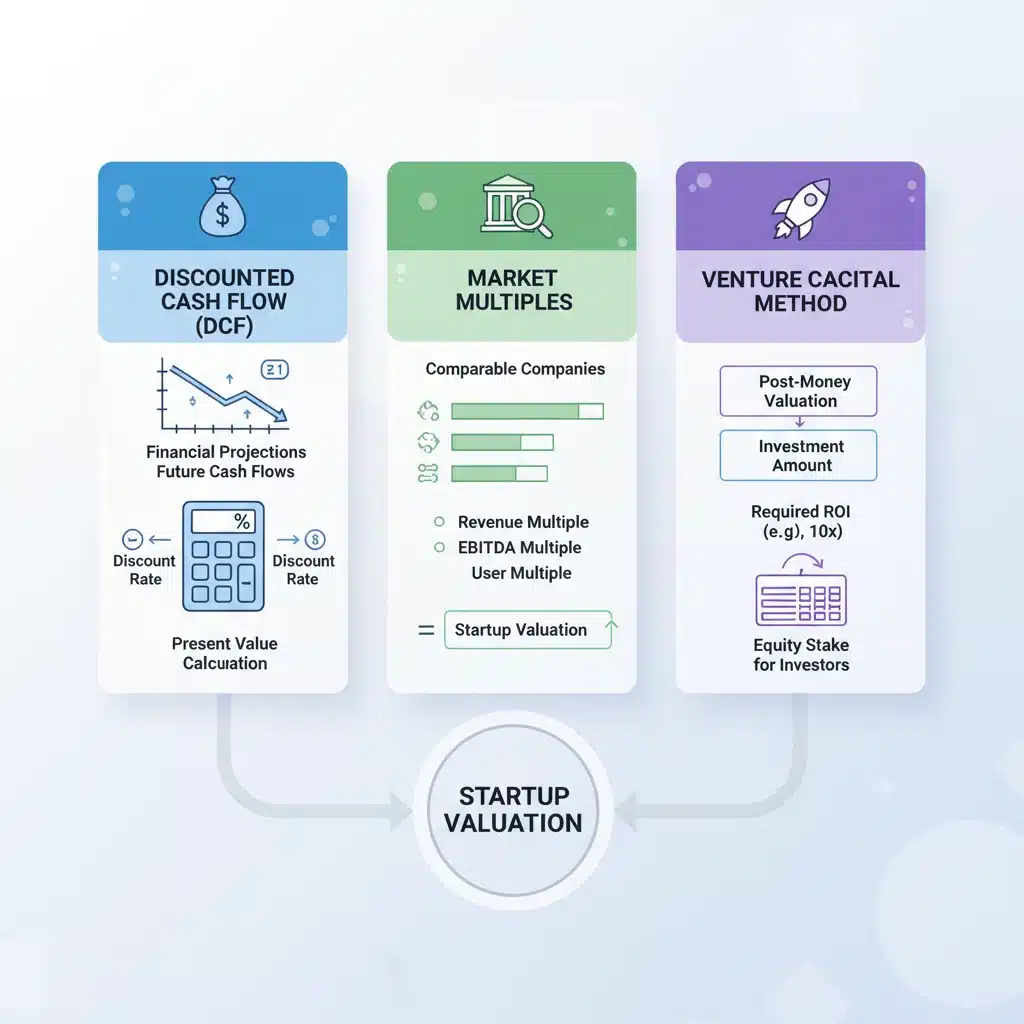
Navigating the Due Diligence Process
Due diligence is the exhaustive investigation performed by a potential acquirer or underwriter to verify all aspects of your company. It is a critical, often intense phase that can make or break a deal. Being thoroughly prepared is your best defense.
The Data Room
A well-organized virtual data room is essential. It should contain all legal documents, financial statements, intellectual property filings, customer contracts, employee agreements, marketing materials, and operational reports. The easier it is for the buyer to find and verify information, the smoother the process will be.
Financial Due Diligence
Expect a deep dive into your financials. This includes auditing historical performance, scrutinizing revenue recognition policies, analyzing expenses, cash flow, and balance sheets, and validating financial projections. Be prepared to explain any anomalies or significant trends.
Legal Due Diligence
Legal teams will review every contract, corporate governance document, and litigation history. Ensure all agreements are in order, intellectual property is properly registered, and there are no outstanding legal disputes that could pose a risk.
Operational Due Diligence
This involves assessing your company’s operational efficiency, scalability, and integration potential. They will look at your product development process, customer support, supply chain, and IT infrastructure. Demonstrate that your operations are robust and can handle future growth or integration.
Commercial Due Diligence
This focuses on your market, customers, and competitive landscape. Buyers will want to understand your market opportunity, customer acquisition and retention strategies, competitive advantages, and growth prospects. Be ready to articulate your market position and future potential.
Common Pitfalls to Avoid in Exit Planning
While planning your startup exit strategies, it’s equally important to be aware of common mistakes that can derail your efforts or significantly reduce your valuation.
- Lack of Early Planning: Waiting until the last minute to think about an exit is a common and costly error. Strategic planning should begin years in advance.
- Unrealistic Valuation Expectations: While aiming high is good, having unrealistic valuation expectations not grounded in market realities can scare off potential buyers. Rely on professional valuations and market comparables.
- Neglecting Financial Hygiene: Poor financial records, inconsistent reporting, or a lack of audited financials can be a major red flag during due diligence.
- Over-reliance on a Single Customer or Product: A concentrated customer base or dependence on a single product can increase risk and reduce valuation. Diversification is key.
- Weak Management Team: A lack of depth or experience in the management team can raise concerns about the company’s ability to operate effectively post-acquisition or as a public entity.
- Poorly Documented IP: Failure to properly protect and document intellectual property can diminish your competitive advantage and significantly impact valuation.
- Ignoring Cultural Fit: Especially in M&A, cultural fit between the acquiring company and your startup is crucial for successful integration. Ignoring this can lead to post-acquisition challenges.
- Going It Alone: Attempting to navigate the complex exit process without experienced advisors (investment bankers, lawyers, accountants) is a recipe for disaster.
Post-Exit Considerations for Founders
A successful exit is not just about the transaction; it’s also about what comes next for the founders. Understanding these post-exit considerations is part of a holistic approach to startup exit strategies.
Integration Challenges
If your company is acquired, be prepared for the integration process. This can involve merging systems, cultures, and teams. Your role post-acquisition might shift, and adaptability is key.
Earn-Outs and Vesting Schedules
Many M&A deals involve earn-outs, where a portion of the purchase price is contingent on future performance, or vesting schedules for founder equity. Understand these terms and their implications for your future compensation and involvement.
Personal Wealth Management
For founders receiving a significant payout, planning for personal wealth management, tax implications, and future investments is crucial. Engage financial advisors to help navigate these complexities.
What’s Next?
Consider your next steps. Will you stay with the acquiring company? Start a new venture? Become an angel investor? Having a clear vision for your post-exit life can help you make better decisions during the exit process.
Conclusion: Crafting Your Path to a High-Value Exit
For U.S. startup founders, the next three years offer a unique opportunity to strategically prepare for and execute a high-value exit. By focusing on fundamental growth drivers, operational excellence, meticulous planning, and avoiding common pitfalls, you can significantly enhance your company’s valuation and achieve a successful outcome. Whether your path leads to an M&A, an IPO, or a strategic secondary sale, a proactive and well-informed approach to startup exit strategies is the cornerstone of maximizing your return.
Remember, an exit is not an end but often a new beginning. The journey of building a successful startup is a testament to innovation, resilience, and strategic foresight. By diligently working towards a well-defined exit strategy, you not only secure your own financial future but also leave a lasting legacy in the vibrant U.S. startup ecosystem.