Business Continuity Planning 2026: Preparing US Companies for Unforeseen Operational Disruptions

In an increasingly volatile and interconnected global landscape, the importance of robust Business Continuity Planning (BCP) has never been more pronounced. For US companies navigating the complexities of 2026 and beyond, proactive preparation for unforeseen operational disruptions is not merely an option but a strategic imperative. The past few years have served as a stark reminder that disruptions can emerge from various sources – natural disasters, cyberattacks, supply chain failures, geopolitical tensions, and even unprecedented public health crises. Each event underscores the critical need for organizations to possess the resilience and agility to maintain essential functions, protect stakeholders, and recover swiftly. This comprehensive guide delves into the evolving facets of Business Continuity 2026, providing actionable insights for US companies to fortify their operational resilience and ensure sustained success.
The Evolving Landscape of Business Disruptions in 2026
The nature of business disruptions is constantly shifting, demanding a dynamic and adaptive approach to BCP. While traditional threats like power outages and localized emergencies remain relevant, 2026 brings into sharper focus several emerging and escalating risks. Cyber threats, for instance, are becoming more sophisticated and pervasive, targeting not just data but also critical infrastructure and operational technology. The rise of artificial intelligence (AI) and automation, while offering immense benefits, also introduces new vulnerabilities that must be meticulously addressed within continuity plans. Geopolitical instability continues to create ripple effects across global supply chains, requiring companies to diversify their sourcing and build redundancy into their logistics. Furthermore, climate change is intensifying the frequency and severity of extreme weather events, necessitating robust physical infrastructure resilience and localized emergency response protocols.
Understanding these multifaceted threats is the first step in developing an effective Business Continuity 2026 strategy. Companies must move beyond a reactive stance, embracing predictive analytics and scenario planning to anticipate potential disruptions. This involves not only internal assessments but also external environmental scanning, monitoring global trends, technological advancements, and regulatory changes that could impact their operations. The interconnectedness of modern business means that a disruption in one area can quickly cascade through an organization, affecting multiple departments and functions. Therefore, BCP in 2026 requires a holistic view, integrating various risk management disciplines into a cohesive framework.
Key Pillars of a Robust Business Continuity Plan for 2026
A truly effective business continuity plan for 2026 is built upon several foundational pillars, each designed to address specific aspects of operational resilience. These pillars work in concert to create a comprehensive framework that can withstand diverse challenges.
1. Comprehensive Risk Assessment and Business Impact Analysis (BIA)
The cornerstone of any effective BCP is a thorough understanding of potential risks and their impact. For Business Continuity 2026, this means going beyond generic assessments. Companies must conduct detailed risk assessments that identify all potential threats, both internal and external, specific to their industry, geographic location, and operational model. This includes evaluating the likelihood of each threat and the potential severity of its impact.
A robust Business Impact Analysis (BIA) then quantifies the financial, operational, and reputational consequences of various disruptions. This involves identifying critical business functions, their dependencies, and the Recovery Time Objectives (RTOs) and Recovery Point Objectives (RPOs) for each. RTOs define the maximum tolerable downtime for a critical function, while RPOs specify the maximum acceptable data loss. For US companies, understanding these metrics is paramount for prioritizing recovery efforts and allocating resources effectively. The BIA should also consider the impact on customer satisfaction, regulatory compliance, and employee well-being, which are increasingly important factors in maintaining long-term business viability.
2. Strategic Incident Response and Crisis Management
Even the most meticulously planned BCP will be ineffective without a well-defined incident response and crisis management framework. This pillar focuses on the immediate actions taken when a disruption occurs. For Business Continuity 2026, this includes establishing clear lines of communication, defining roles and responsibilities for a crisis management team, and developing protocols for initial assessment and containment of the incident. The incident response plan should cover various scenarios, from minor IT glitches to major catastrophic events.
Crisis management extends beyond technical response, encompassing strategic decision-making, stakeholder communication, and reputation management. In today’s hyper-connected world, how a company communicates during a crisis can significantly impact its public perception and long-term recovery. This includes transparent communication with employees, customers, investors, and regulatory bodies. Regular training and drills for the crisis management team are essential to ensure a swift, coordinated, and effective response when a real disruption strikes. The ability to adapt and make quick, informed decisions under pressure is a hallmark of strong crisis leadership.
3. Redundant Systems and Data Protection
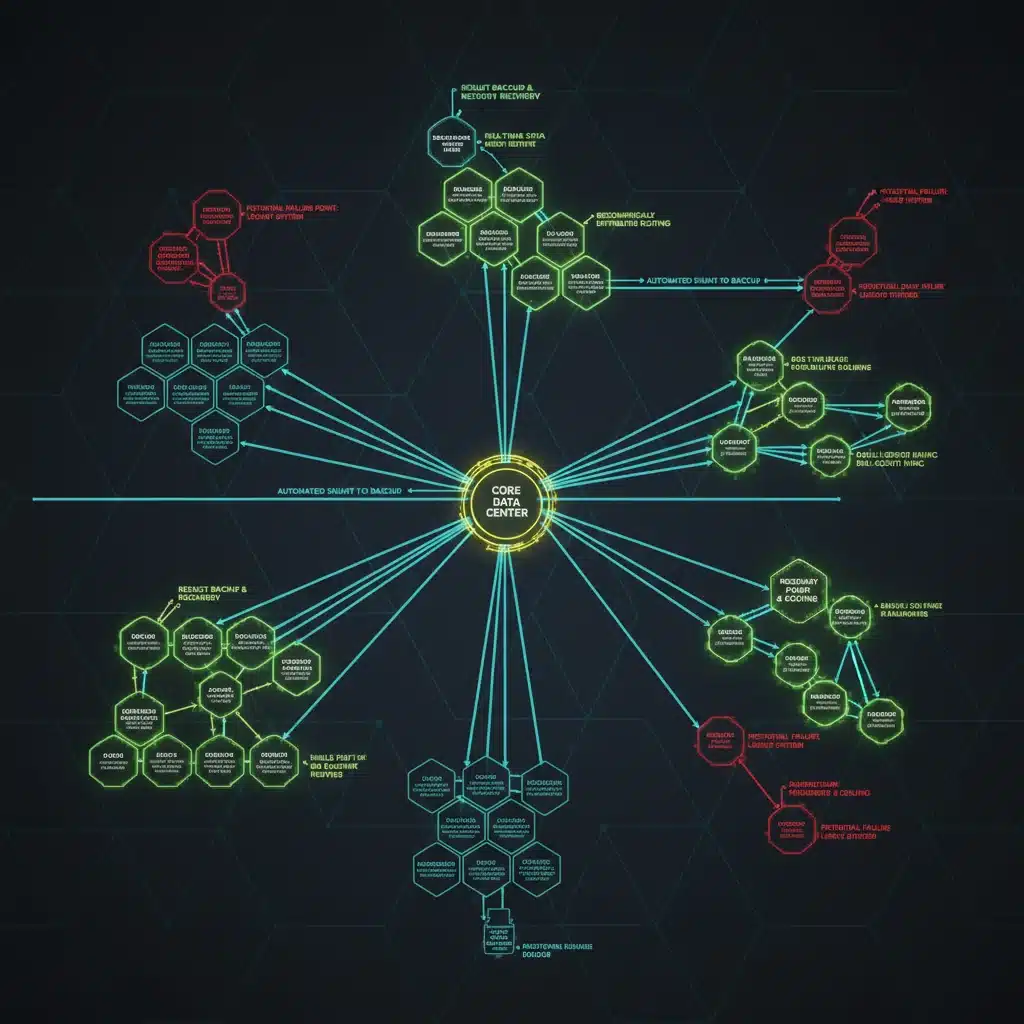
In an era dominated by digital operations, the resilience of IT infrastructure and data is non-negotiable. Business Continuity 2026 mandates robust strategies for redundant systems and comprehensive data protection. This involves implementing highly available systems, often leveraging cloud computing and geographically dispersed data centers, to ensure that critical applications and data remain accessible even if a primary site fails.
Data backup and recovery protocols are fundamental. Companies must adopt a multi-layered approach to data protection, including regular backups, offsite storage, and immutable backups to guard against ransomware attacks. Testing these backup and recovery procedures frequently is crucial to verify their effectiveness and RPOs. Furthermore, cybersecurity measures must be integrated into every aspect of IT resilience, including intrusion detection, threat intelligence, and rapid remediation capabilities. The goal is not just to recover data, but to recover it securely and with minimal loss. This also involves considering the security of third-party vendors and supply chain partners, as their vulnerabilities can become an organization’s vulnerabilities.
4. Supply Chain Resilience and Diversification
Recent global events have highlighted the fragility of intricate supply chains. For US companies, ensuring Business Continuity 2026 means proactively addressing supply chain vulnerabilities. This involves identifying critical suppliers, assessing their own continuity plans, and establishing alternative sourcing strategies. Diversifying suppliers across different geographical regions can mitigate risks associated with localized disruptions, such as natural disasters or political unrest.
Beyond diversification, fostering strong relationships with key suppliers and implementing transparent communication channels are vital. Companies should also explore inventory management strategies that balance cost efficiency with resilience, potentially holding strategic reserves of critical components. Leveraging technology, such as supply chain analytics and real-time monitoring tools, can provide early warnings of potential disruptions, allowing for proactive adjustments. The goal is to build a supply chain that is not only efficient but also inherently robust and adaptable to unforeseen challenges. This also extends to evaluating logistics and transportation networks, ensuring multiple routes and modes of delivery are available.
5. Workforce Preparedness and Remote Work Capabilities
Employees are an organization’s most valuable asset, and their ability to continue working during a disruption is critical for Business Continuity 2026. This pillar focuses on ensuring workforce preparedness and establishing robust remote work capabilities. This includes providing employees with the necessary tools, technology, and training to work effectively from alternative locations.
A key aspect is developing clear communication strategies for employees during a crisis, ensuring they receive timely and accurate information regarding their safety, work expectations, and available support. Companies should also consider the well-being of their employees, offering mental health resources and flexible work arrangements during stressful periods. Regular drills and simulations involving remote work scenarios can help identify gaps and refine processes, ensuring that employees can transition seamlessly to remote operations when needed. This also involves ensuring equitable access to resources and support for all employees, regardless of their location or role.
Integrating Emerging Technologies into Business Continuity 2026
The technological landscape is constantly evolving, and BCP must evolve with it. For Business Continuity 2026, leveraging emerging technologies can significantly enhance an organization’s resilience and recovery capabilities.
Artificial Intelligence and Machine Learning for Predictive Analytics
AI and Machine Learning (ML) offer powerful tools for predictive analytics in BCP. By analyzing vast datasets of historical incidents, environmental data, and operational metrics, AI algorithms can identify patterns and predict potential disruptions before they occur. This allows companies to take proactive measures, such as rerouting supply chains, adjusting staffing levels, or bolstering cybersecurity defenses, significantly reducing the impact of unforeseen events. AI can also optimize resource allocation during a crisis, directing efforts to where they are most needed and improving the efficiency of recovery operations.
Blockchain for Enhanced Supply Chain Transparency
Blockchain technology can revolutionize supply chain resilience by providing immutable and transparent records of transactions and movements. This enhanced visibility allows companies to trace the origin of goods, monitor their journey, and quickly identify bottlenecks or disruptions. In the event of a product recall or contamination, blockchain can facilitate rapid identification of affected batches, minimizing damage and ensuring compliance. For Business Continuity 2026, blockchain offers a robust mechanism for verifying the authenticity and integrity of supply chain data, building greater trust and accountability.
Cloud Computing for Scalability and Redundancy
Cloud computing has become an indispensable component of modern BCP. Its inherent scalability, flexibility, and geographically dispersed infrastructure provide unparalleled redundancy for data and applications. By hosting critical systems in the cloud, US companies can ensure accessibility from anywhere, at any time, even if their physical premises are inaccessible. Cloud-based backup and disaster recovery as a service (DRaaS) solutions offer cost-effective and efficient ways to replicate data and spin up virtual environments in the event of a primary system failure. This significantly reduces RTOs and RPOs, making it a cornerstone of effective Business Continuity 2026.
Internet of Things (IoT) for Real-time Monitoring
IoT devices can provide real-time monitoring of critical infrastructure, environmental conditions, and operational parameters. Sensors can detect power fluctuations, temperature changes, water leaks, or unauthorized access, triggering alerts and enabling immediate intervention. In manufacturing, IoT can monitor equipment health, predicting potential failures and allowing for predictive maintenance, thereby preventing production disruptions. For Business Continuity 2026, integrating IoT data into a centralized monitoring system provides a comprehensive operational overview, enabling faster detection and response to anomalies.
Regulatory Compliance and Governance in 2026
For US companies, Business Continuity 2026 is not just about operational efficiency; it’s also about meeting increasingly stringent regulatory requirements. Various industry-specific regulations, data privacy laws (like CCPA and potential federal equivalents), and financial sector mandates require robust BCPs and demonstrate compliance.
Companies must ensure their BCPs are regularly reviewed and updated to reflect changes in regulatory landscapes. This includes maintaining comprehensive documentation of all plans, procedures, test results, and training records. Regular audits and assessments by independent third parties can help validate the effectiveness of the BCP and ensure adherence to compliance standards. Strong governance, with clear accountability for BCP oversight at the executive level, is essential to drive a culture of resilience throughout the organization. This commitment from leadership ensures that BCP is not treated as a mere checklist item but as a continuous strategic process.

Testing, Training, and Continuous Improvement
A BCP is only as good as its last test. For Business Continuity 2026, regular testing and training are non-negotiable components of an effective strategy. This goes beyond simple desktop exercises; it involves conducting full-scale simulations that mimic real-world disruption scenarios.
Regular Testing and Drills:
Testing should encompass various types of disruptions, including IT outages, natural disasters, and cybersecurity incidents. These exercises should involve all relevant personnel, from front-line staff to executive leadership. The goal is to identify weaknesses in the plan, uncover communication gaps, and ensure that employees are familiar with their roles and responsibilities during a crisis. Post-test reviews and debriefings are crucial for capturing lessons learned and implementing corrective actions. The frequency of testing should align with the criticality of business functions and the evolving risk landscape.
Comprehensive Training Programs:
Ongoing training programs are essential to keep employees informed about the BCP and their specific roles within it. This includes initial onboarding training for new employees and refresher courses for existing staff. Training should be tailored to different departments and roles, ensuring that everyone understands how to contribute to the organization’s resilience. This also involves training on new technologies and procedures integrated into the BCP. A well-trained workforce is a resilient workforce, capable of adapting to unexpected challenges and contributing to a swift recovery.
Continuous Improvement Cycle:
Business continuity is not a one-time project but an ongoing process of continuous improvement. The insights gained from risk assessments, BIAs, tests, and real-world incidents should feed back into the BCP, leading to refinements and updates. This iterative approach ensures that the plan remains relevant, effective, and aligned with the evolving threat landscape and organizational changes. Establishing key performance indicators (KPIs) for BCP effectiveness, such as recovery times and incident resolution rates, can help measure progress and identify areas for further improvement. A dedicated BCP team or committee should be responsible for overseeing this continuous improvement cycle, ensuring that the plan remains a living document.
Building a Culture of Resilience
Ultimately, the success of Business Continuity 2026 hinges on cultivating a strong culture of resilience throughout the entire organization. This means embedding continuity thinking into daily operations and decision-making processes. It requires active leadership support and communication, demonstrating that BCP is a strategic priority, not just a compliance exercise.
Encouraging employee engagement and ownership of BCP responsibilities is vital. When every employee understands their role in maintaining business operations during a disruption, the organization as a whole becomes more robust. This culture also fosters proactive risk identification and mitigation, as employees are empowered to report potential vulnerabilities and suggest improvements. By prioritizing resilience, US companies can not only protect their operations and assets but also enhance their reputation, build trust with stakeholders, and gain a competitive advantage in an unpredictable world.
Conclusion
The landscape for US businesses in 2026 is characterized by both immense opportunity and significant risk. Proactive and comprehensive Business Continuity Planning is the bedrock upon which sustained success will be built. By focusing on robust risk assessments, strategic incident response, redundant systems, resilient supply chains, and a prepared workforce, companies can navigate unforeseen disruptions with confidence. Integrating emerging technologies and fostering a culture of continuous improvement will further strengthen their ability to adapt and thrive. As the world continues to evolve, so too must the strategies for operational resilience. US companies that embrace these principles will be well-positioned to protect their people, assets, and reputation, ensuring their viability and growth for years to come.