Cybersecurity for Retailers 2026: Protecting Customer Data from 7 Threats
Cybersecurity for Retailers in 2026: Protecting Customer Data from 7 Common Threats (Insider Knowledge)
The retail landscape is undergoing a profound transformation, driven by digital innovation, personalized customer experiences, and the ever-increasing volume of online transactions. While these advancements offer unprecedented opportunities, they also expose retailers to a growing array of sophisticated cyber threats. As we look towards 2026, the need for robust Retail Cybersecurity 2026 strategies is not just a best practice; it’s a fundamental requirement for survival and success.
Customer data is the lifeblood of modern retail. From payment information and personal details to browsing habits and purchase history, this data is invaluable – both to retailers seeking to enhance customer experiences and to malicious actors looking to exploit vulnerabilities. A single data breach can lead to catastrophic financial losses, irreparable reputational damage, and a significant erosion of customer trust. Therefore, understanding and mitigating the evolving cyber threat landscape is paramount for every retail business, regardless of its size or specialization.
This comprehensive guide delves into the seven most common and pressing cybersecurity threats that retailers will face in 2026. Drawing on insider knowledge and forward-looking analysis, we will not only identify these threats but also provide actionable strategies and insights to help you fortify your defenses, protect your valuable customer data, and ensure the resilience of your retail operations in the years to come.
1. Sophisticated Phishing and Social Engineering Attacks
Phishing and social engineering attacks continue to be one of the most prevalent and effective methods for cybercriminals to gain unauthorized access to retail systems. In 2026, these attacks are expected to become even more sophisticated, leveraging advanced AI and machine learning to craft highly personalized and convincing lures. Spear phishing, whaling, and vishing (voice phishing) will be tailored to individual employees, making it increasingly difficult to distinguish legitimate communications from malicious ones.
Attackers will exploit publicly available information, including social media profiles and corporate websites, to create highly credible scenarios. For instance, an email appearing to come from a senior executive or a trusted vendor might request urgent payment to a fraudulent account or prompt an employee to click on a malicious link that deploys ransomware. The human element remains the weakest link in the security chain, and these attacks specifically target human psychology and trust.
Mitigation Strategies for Retail Cybersecurity 2026:
- Advanced Employee Training: Regular, interactive training programs that simulate real-world phishing attacks are crucial. Employees need to be educated on the latest tactics, how to identify suspicious emails, and the importance of reporting anomalies.
- Multi-Factor Authentication (MFA): Implement MFA across all systems, especially for accessing sensitive data and administrative panels. Even if credentials are compromised, MFA provides an additional layer of security.
- Email Filtering and Threat Intelligence: Deploy advanced email security gateways that use AI to detect and block phishing attempts, malware, and spam. Integrate these with threat intelligence feeds to stay updated on emerging attack patterns.
- Incident Response Plan: Develop and regularly test a clear incident response plan for phishing attacks, detailing steps for containment, eradication, and recovery.
2. Ransomware 2.0 and Extortionware
Ransomware has evolved beyond simply encrypting data; in 2026, retailers will face "Ransomware 2.0" and extortionware, where attackers not only encrypt data but also exfiltrate it. This double extortion tactic puts immense pressure on organizations, as failure to pay can result in both data loss and public exposure of sensitive customer information, leading to regulatory fines and reputational damage.
Threat actors are becoming more organized, operating as "Ransomware-as-a-Service" (RaaS) groups, which lowers the barrier to entry for less technically skilled criminals. Retailers are prime targets due to the vast amounts of customer data they hold and their reliance on operational uptime, making them more likely to pay ransoms to avoid disruptions, especially during peak shopping seasons.
Mitigation Strategies for Retail Cybersecurity 2026:
- Robust Backup and Recovery: Implement a comprehensive, immutable backup strategy that includes offsite and offline backups. Regularly test your recovery procedures to ensure business continuity.
- Endpoint Detection and Response (EDR): Deploy EDR solutions to monitor endpoints for suspicious activity, detect advanced threats, and enable rapid response to contain attacks.
- Network Segmentation: Segment your network to limit the lateral movement of ransomware. If one part of your network is compromised, it prevents the ransomware from spreading to critical systems containing customer data.
- Patch Management: Maintain a rigorous patch management program to ensure all systems and software are updated with the latest security patches, closing known vulnerabilities that ransomware often exploits.
- Cyber Insurance: While not a preventative measure, comprehensive cyber insurance can help mitigate the financial impact of a ransomware attack.
3. Supply Chain Attacks and Third-Party Risks
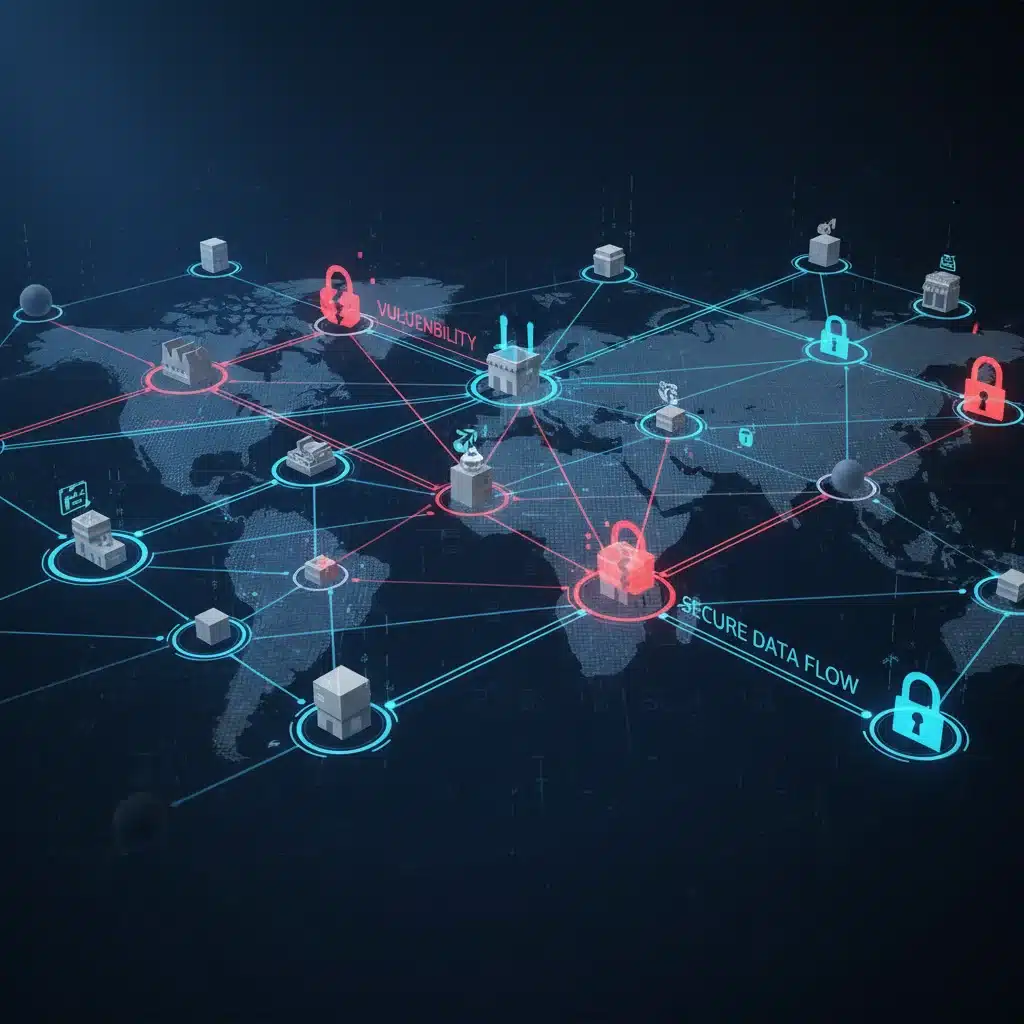
The interconnected nature of the retail ecosystem means that a retailer’s cybersecurity is only as strong as its weakest link in the supply chain. In 2026, supply chain attacks will continue to be a significant vector for breaches. Attackers will target third-party vendors, suppliers, logistics partners, and even software providers that have access to the retailer’s systems or data. Compromising a smaller, less secure vendor can provide a backdoor into the larger retail organization.
These attacks can manifest in various ways, such as injecting malicious code into software updates, compromising hardware components, or exploiting vulnerabilities in shared cloud environments. The solarwinds attack, while not retail-specific, serves as a stark reminder of the devastating impact such breaches can have on an organization’s security posture and its customers.
Mitigation Strategies for Retail Cybersecurity 2026:
- Vendor Risk Management: Establish a robust vendor risk management program that includes thorough security assessments of all third-party partners. This should cover their security policies, compliance certifications, and incident response capabilities.
- Contractual Security Clauses: Include strict cybersecurity requirements and liability clauses in all contracts with third-party vendors.
- Least Privilege Access: Grant third-party vendors and partners only the minimum necessary access to your systems and data. Regularly review and revoke access when no longer needed.
- Continuous Monitoring: Implement continuous monitoring of third-party security postures and network traffic for suspicious activity originating from vendor connections.
- Data Minimization: Minimize the amount of customer data shared with third parties, adhering to the principle of "need-to-know."
4. Insider Threats (Malicious and Negligent)
Insider threats, whether malicious or negligent, remain a persistent and often underestimated risk for retailers. In 2026, the sophistication of these threats will grow, especially with the increased reliance on remote work and distributed teams. Malicious insiders might steal customer data for financial gain, while negligent insiders could inadvertently expose sensitive information through poor security practices, such as using weak passwords, falling for phishing scams, or misconfiguring cloud storage.
The challenge with insider threats is that they often bypass traditional perimeter defenses because the individuals already have authorized access. Detecting these threats requires a combination of technological controls and a strong security-aware culture.
Mitigation Strategies for Retail Cybersecurity 2026:
- User Behavior Analytics (UBA): Deploy UBA tools to monitor employee activity for anomalous behavior that could indicate an insider threat, such as accessing data outside working hours or downloading large volumes of sensitive information.
- Access Controls and Least Privilege: Implement strict role-based access controls (RBAC) and the principle of least privilege, ensuring employees only have access to the data and systems absolutely necessary for their job functions.
- Data Loss Prevention (DLP): Utilize DLP solutions to prevent sensitive customer data from being intentionally or unintentionally exfiltrated from the organization’s network.
- Security Awareness Training: Ongoing training that emphasizes the importance of data protection, secure practices, and the consequences of negligence. Foster a culture where employees feel comfortable reporting suspicious activities without fear of reprisal.
- Robust Offboarding Procedures: Ensure that access to all systems and data is immediately revoked when an employee leaves the organization.
5. IoT and Edge Device Vulnerabilities
The proliferation of Internet of Things (IoT) devices in retail, from smart shelves and POS systems to security cameras and inventory trackers, creates an expanded attack surface. Many IoT devices are deployed with default passwords, unpatched vulnerabilities, or insecure configurations, making them easy targets for cybercriminals. In 2026, these devices will be increasingly targeted to gain access to the wider retail network, launch DDoS attacks, or even disrupt physical operations.
Edge computing, which processes data closer to the source (e.g., in a store or warehouse), also introduces new security challenges. While it offers benefits in terms of speed and efficiency, securing these distributed environments requires a different approach than traditional centralized IT infrastructure.
Mitigation Strategies for Retail Cybersecurity 2026:
- IoT Device Inventory and Management: Maintain a comprehensive inventory of all IoT and edge devices, ensuring they are regularly patched, configured securely, and monitored for suspicious activity.
- Network Segmentation for IoT: Isolate IoT devices on dedicated network segments, separate from critical customer data systems. This limits the potential impact if an IoT device is compromised.
- Strong Authentication: Enforce strong, unique passwords for all IoT devices and change default credentials immediately upon deployment. Where possible, implement certificate-based authentication.
- Regular Security Audits: Conduct regular security audits and penetration testing specifically targeting IoT and edge devices to identify and remediate vulnerabilities.
- Secure-by-Design Procurement: Prioritize purchasing IoT devices from vendors with a strong focus on security-by-design principles and a track record of timely security updates.
6. Advanced Persistent Threats (APTs)
Advanced Persistent Threats (APTs) are characterized by their stealth, sophistication, and long-term objectives. Unlike opportunistic attacks, APTs are highly targeted, often backed by nation-states or well-funded criminal organizations, and aim to establish a persistent presence within a retailer’s network to exfiltrate sensitive data over extended periods. In 2026, retailers, especially those with significant market share or valuable customer databases, will remain attractive targets for APT groups.
APTs often employ a combination of zero-day exploits, custom malware, and social engineering to bypass defenses and remain undetected. Their goal is not just to breach but to reside and continuously extract data without triggering alarms, making them incredibly difficult to detect and eradicate.
Mitigation Strategies for Retail Cybersecurity 2026:
- Threat Intelligence Integration: Leverage advanced threat intelligence feeds to understand the tactics, techniques, and procedures (TTPs) of known APT groups and proactively strengthen defenses.
- Security Information and Event Management (SIEM): Implement SIEM solutions to aggregate and analyze security logs from across your entire infrastructure, helping to detect subtle indicators of compromise that might signify an APT.
- Advanced Malware Protection: Deploy next-generation antivirus (NGAV) and advanced endpoint protection platforms that use behavioral analysis and machine learning to detect novel malware used by APTs.
- Regular Penetration Testing and Red Teaming: Conduct frequent penetration tests and red team exercises to simulate APT attacks and identify weaknesses in your defenses and incident response capabilities.
- Zero Trust Architecture: Adopt a Zero Trust security model, where no user or device is implicitly trusted, regardless of their location within or outside the network perimeter.
7. Data Privacy Regulation Compliance Failures
While not a direct cyber attack, failure to comply with evolving data privacy regulations can lead to significant financial penalties and reputational damage, often exacerbated by a data breach. In 2026, regulations like GDPR, CCPA, and emerging state and international data protection laws will continue to evolve and become more stringent. Retailers, by their nature, handle vast amounts of personally identifiable information (PII) and payment card industry (PCI) data, making them particularly vulnerable to compliance failures.
The complexity of managing customer data across various jurisdictions, coupled with the increasing demands for data transparency and individual rights (e.g., right to be forgotten, data portability), presents a continuous challenge for retailers. A data breach, even if effectively contained, can trigger massive fines if the retailer is found to have inadequate data protection measures in place according to regulatory standards.
Mitigation Strategies for Retail Cybersecurity 2026:
- Dedicated Compliance Officer/Team: Appoint a dedicated Data Protection Officer (DPO) or a compliance team to monitor regulatory changes and ensure adherence to all relevant data privacy laws.
- Data Mapping and Inventory: Conduct regular data mapping exercises to understand what customer data you collect, where it is stored, how it is processed, and who has access to it.
- Privacy-by-Design: Integrate privacy considerations into the design of all new systems, products, and services from the outset.
- Consent Management Platforms: Implement robust consent management platforms to ensure transparency and proper handling of customer preferences regarding data usage.
- Regular Audits and Assessments: Conduct independent audits and privacy impact assessments (PIAs) to identify and address compliance gaps.
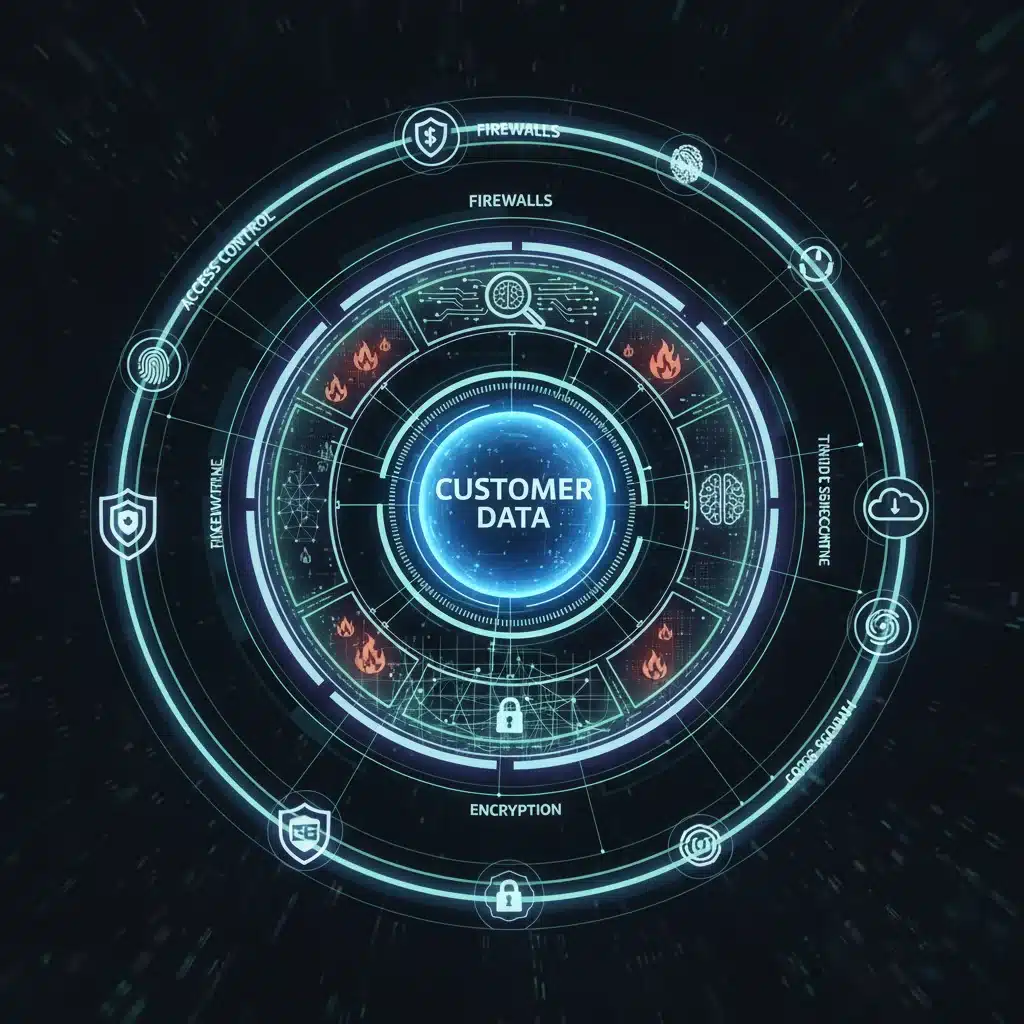
- Data Encryption: Encrypt all sensitive customer data, both in transit and at rest, to protect it even if a breach occurs.
Building a Resilient Retail Cybersecurity 2026 Framework
Addressing these seven common threats requires a holistic and proactive approach to Retail Cybersecurity 2026. It’s not enough to react to breaches; retailers must build a resilient framework that anticipates and neutralizes threats before they can cause damage. Here are some overarching principles to guide your strategy:
A. Embrace a Zero Trust Philosophy
The traditional perimeter-based security model is no longer sufficient. A Zero Trust architecture operates on the principle of "never trust, always verify." This means that every user, device, and application attempting to access resources, whether inside or outside the network, must be authenticated and authorized. For retailers, this translates to stringent access controls, micro-segmentation, and continuous monitoring of all interactions, significantly reducing the risk of lateral movement by attackers.
B. Prioritize Employee Education and Security Culture
As highlighted with phishing and insider threats, human error remains a critical vulnerability. Investing in continuous, engaging, and relevant cybersecurity training for all employees is non-negotiable. Foster a security-aware culture where employees understand their role in protecting customer data, feel empowered to report suspicious activities, and are regularly updated on the latest threat landscape. Make security a shared responsibility, not just an IT department concern.
C. Invest in Advanced Security Technologies
The cyber threat landscape is constantly evolving, and so too must your defensive technologies. This includes:
- AI-Powered Threat Detection: Solutions that leverage artificial intelligence and machine learning can identify anomalies and sophisticated attack patterns that traditional signature-based systems might miss.
- Cloud Security Posture Management (CSPM): For retailers relying heavily on cloud infrastructure, CSPM tools are essential for identifying and remediating misconfigurations and compliance violations.
- Extended Detection and Response (XDR): XDR platforms provide a unified view across endpoints, networks, cloud, and email, enabling faster and more comprehensive threat detection and response.
- Automated Patch Management: Tools that automate the patching process for operating systems, applications, and firmware across your entire IT environment.
D. Develop and Test a Robust Incident Response Plan
Despite best efforts, breaches can still occur. A well-defined and regularly tested incident response plan is crucial for minimizing the damage and recovery time. This plan should cover:
- Identification: How to detect a breach.
- Containment: Steps to isolate affected systems and prevent further spread.
- Eradication: How to remove the threat from your environment.
- Recovery: Steps to restore systems and data from backups.
- Post-Incident Analysis: Learning from the incident to improve future defenses.
- Communication: Clear protocols for communicating with customers, regulators, and stakeholders.
E. Embrace Regulatory Compliance as a Competitive Advantage
Instead of viewing data privacy regulations as a burden, progressive retailers will see them as an opportunity to build trust and differentiate themselves. Demonstrating a strong commitment to customer data protection and privacy can become a significant competitive advantage, attracting and retaining customers who are increasingly concerned about how their personal information is handled.
Conclusion: Securing the Future of Retail
The year 2026 presents both immense opportunities and significant challenges for retailers. The digital transformation continues at pace, creating new avenues for customer engagement and operational efficiency. However, with these opportunities comes an imperative to elevate Retail Cybersecurity 2026 to a strategic priority.
By understanding and proactively addressing the seven common threats outlined in this guide – sophisticated phishing, ransomware 2.0, supply chain vulnerabilities, insider threats, IoT/edge device risks, APTs, and compliance failures – retailers can build a resilient and trustworthy digital environment. Protecting customer data is not just about avoiding penalties; it’s about safeguarding your brand reputation, maintaining customer loyalty, and ensuring the long-term viability and growth of your retail business in an increasingly digital world.
The time to act is now. Invest in the right technologies, cultivate a strong security culture, and integrate cybersecurity into every aspect of your operations. Only then can retailers confidently navigate the complexities of 2026 and beyond, turning potential threats into opportunities for greater trust and success.