Data-Driven Inventory Management: Slash Stockouts by 30% for US Retailers
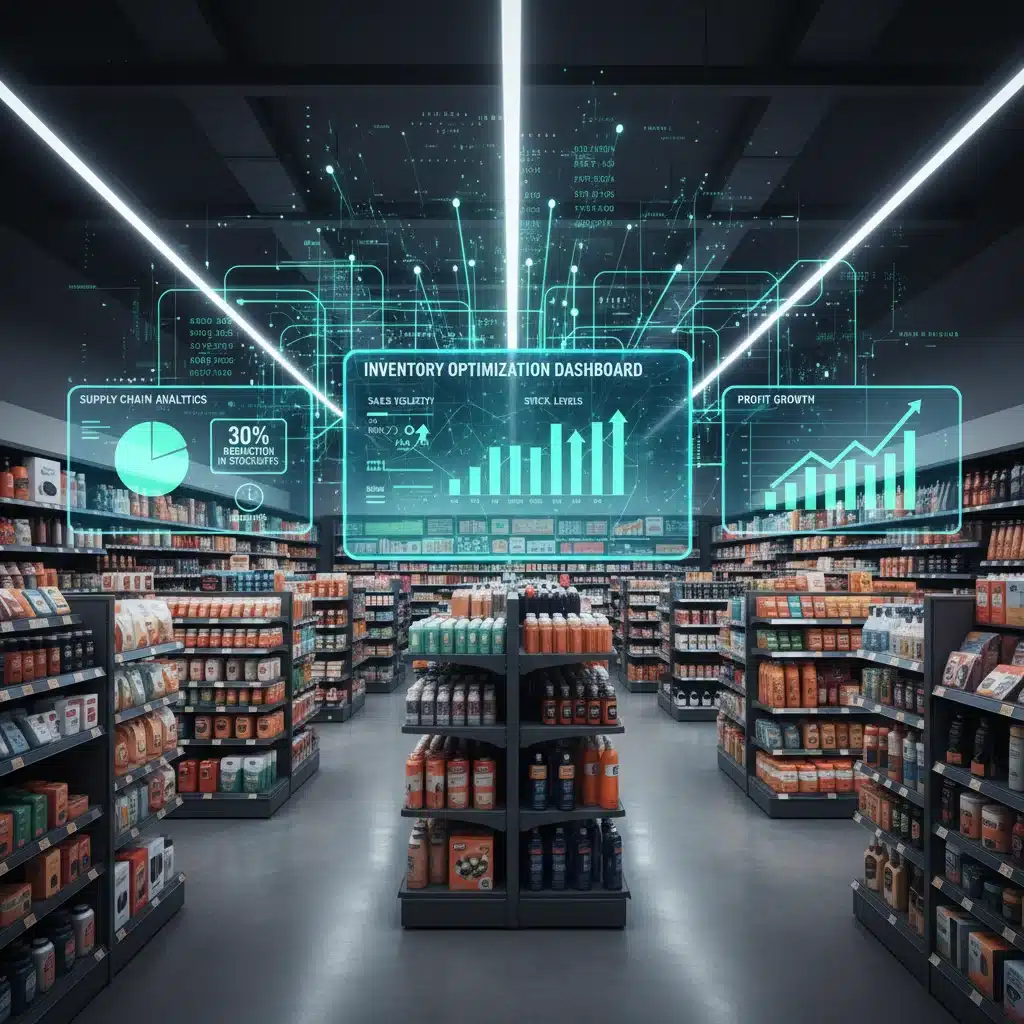
In the dynamic and often unpredictable world of retail, stockouts represent more than just a momentary inconvenience; they are a direct hit to your bottom line, customer loyalty, and brand reputation. For US retailers, the challenge of maintaining optimal inventory levels has never been more pronounced, with supply chain disruptions, fluctuating consumer demand, and the rise of omnichannel retail adding layers of complexity. However, there’s a powerful solution emerging from the deluge of data available today: Retail Inventory Optimization through data-driven inventory management. This article delves into how US retailers can leverage advanced analytics and strategic planning to achieve an ambitious yet entirely attainable goal: reducing stockouts by a remarkable 30% within the next nine months.
The promise of a 30% reduction in stockouts isn’t merely an optimistic projection; it’s a strategic imperative. Imagine the impact on your sales, customer satisfaction, and operational efficiency. This isn’t about guesswork or traditional inventory methods; it’s about a paradigm shift towards intelligent, predictive, and agile inventory control. By harnessing the power of data, retailers can move beyond reactive stock management to proactive, foresight-driven strategies that anticipate demand, mitigate risks, and ensure products are precisely where they need to be, when they need to be there.
This comprehensive guide will walk you through the essential components of a robust data-driven inventory management system. We’ll explore the foundational principles, the technological enablers, the strategic implementation steps, and the tangible benefits that await US retailers committed to mastering their inventory. Prepare to transform your approach to stock, turning potential losses into significant gains.
The Pervasive Problem of Stockouts in US Retail
Before we delve into solutions, it’s crucial to understand the true cost and prevalence of stockouts. A stockout, or out-of-stock (OOS) event, occurs when a retailer runs out of a particular product that is still in demand. This isn’t just an occasional occurrence; it’s a systemic issue that plagues retailers across all sectors, from groceries to electronics, apparel to home goods.
The Hidden Costs of Empty Shelves
- Lost Customer Loyalty: Repeated stockouts erode trust and loyalty. Customers expect availability, and consistent disappointment can lead them to abandon your brand entirely.
- Brand Damage: A reputation for frequently being out of stock can significantly harm your brand image, making it harder to attract new customers and retain existing ones.
- Increased Operational Costs: Expedited shipping, emergency orders, and manual inventory checks to address stockouts add unnecessary expenses to your supply chain.
- Reduced Basket Size: Customers who find a key item missing might choose to purchase fewer complementary items, impacting overall transaction value.
- Employee Frustration: Store associates often bear the brunt of customer dissatisfaction, leading to lower morale and reduced productivity.
Studies consistently highlight the significant financial drain caused by stockouts. For instance, some research suggests that global retailers lose trillions of dollars annually due to OOS events. For US retailers, these figures are particularly stark given the competitive landscape and high consumer expectations.
Why Traditional Inventory Management Falls Short
Many traditional inventory management approaches rely on historical sales data, manual counts, and static reorder points. While these methods have served their purpose in the past, they are increasingly inadequate for today’s complex retail environment:
- Lagging Indicators: Historical data alone doesn’t account for sudden shifts in demand, seasonal spikes, promotional impacts, or external disruptions.
- Lack of Real-time Visibility: Without up-to-the-minute insights into inventory levels across all channels, retailers operate in the dark, leading to misjudgments.
- Siloed Operations: Disconnected departments (e.g., purchasing, marketing, store operations) often lack a unified view of inventory, leading to inefficiencies and miscommunications.
- Inability to Predict: Traditional methods are inherently reactive, responding to stock issues after they occur rather than preventing them.
- Human Error: Manual processes are prone to errors, from miscounts to incorrect order placements.
This is where Retail Inventory Optimization, powered by data, steps in as a transformative solution. It’s about moving from merely managing inventory to intelligently optimizing it.
The Foundation of Data-Driven Inventory Management
Achieving a 30% reduction in stockouts requires a fundamental shift in how inventory is perceived and managed. It moves from a cost center to a strategic asset, guided by actionable insights derived from comprehensive data analysis. The core of this transformation lies in robust data collection, sophisticated analytics, and intelligent decision-making.
1. Comprehensive Data Collection: The Lifeblood of Optimization
The first step in any data-driven strategy is to gather relevant, accurate, and timely data. This extends beyond simple sales figures to encompass a wide array of internal and external information:
- Point-of-Sale (POS) Data: Detailed transaction records, including item, quantity, price, time, and location of sale.
- Inventory Movement Data: Records of goods received, transferred between stores or warehouses, returned, and damaged.
- E-commerce Data: Online sales, website traffic, cart abandonment rates, and customer browsing behavior.
- Promotional Data: Information on past and planned marketing campaigns, discounts, and special offers.
- Supplier Data: Lead times, order fulfillment rates, minimum order quantities, and reliability metrics.
- Customer Data: Loyalty program data, purchase history, demographic information, and feedback.
- External Data: Economic indicators, weather patterns (for certain product categories), social media trends, competitor pricing, and news events that could influence demand.
The key is to integrate these disparate data sources into a centralized system, creating a single source of truth for all inventory-related decisions. This integration is paramount for effective Retail Inventory Optimization.
2. Advanced Analytics: Turning Data into Insights
Once data is collected, the next critical phase is to analyze it using advanced techniques. This is where the magic of data-driven inventory management truly happens:
- Demand Forecasting: Moving beyond simple historical averages, modern forecasting employs machine learning algorithms to predict future demand with greater accuracy. This includes considering seasonality, trends, promotional uplifts, and external factors.
- Predictive Analytics: Identifying potential stockout risks before they materialize by analyzing current inventory levels against forecasted demand, lead times, and safety stock parameters.
- Prescriptive Analytics: Not just predicting what will happen, but recommending specific actions, such as optimal reorder quantities, transfer suggestions between stores, or pricing adjustments.
- Inventory Segmentation: Classifying products based on their sales velocity, profitability, and demand variability (e.g., ABC analysis or XYZ analysis). This allows for differentiated inventory strategies, ensuring high-value, fast-moving items receive the most attention.
- Root Cause Analysis: Identifying the underlying reasons for past stockouts or excess inventory, enabling continuous improvement in processes and models.
These analytical capabilities provide the intelligence needed to make informed decisions, transforming raw data into actionable strategies for reducing stockouts.
3. Strategic Decision-Making: Implementing the Insights
Data and analytics are only valuable if they lead to better decisions and actions. Effective data-driven inventory management involves:
- Dynamic Reorder Points and Quantities: Instead of fixed thresholds, reorder points and quantities adjust automatically based on real-time data, demand forecasts, and supplier lead times.
- Safety Stock Optimization: Calculating optimal safety stock levels to buffer against demand variability and supply disruptions, without tying up excessive capital.
- Allocation and Replenishment Optimization: Ensuring the right products are distributed to the right stores at the right time, minimizing both stockouts and overstocks across the network.
- Promotional Planning Integration: Accurately forecasting the impact of promotions on demand and pre-emptively adjusting inventory levels to avoid stockouts during peak sales periods.
Key Strategies for Achieving a 30% Stockout Reduction
To achieve the ambitious goal of a 30% stockout reduction in nine months, US retailers need to implement a multi-faceted strategy that leverages data, technology, and process improvements. This is the core of effective Retail Inventory Optimization.
1. Enhance Demand Forecasting Accuracy
The cornerstone of reducing stockouts is accurate demand forecasting. Traditional methods are no longer sufficient. Retailers must invest in:
- Machine Learning (ML) Models: Implement ML algorithms that can process vast datasets, identify complex patterns, and adapt to changing conditions. These models can incorporate a multitude of variables, including historical sales, promotional calendars, macroeconomic trends, local events, and even social media sentiment.
- Short-Term vs. Long-Term Forecasting: Develop distinct models for short-term (daily/weekly) and long-term (monthly/quarterly) forecasts, as different factors influence each. Short-term forecasts are crucial for daily replenishment decisions, while long-term forecasts inform strategic purchasing.
- Collaborative Forecasting: Foster collaboration between sales, marketing, and supply chain teams. Sales teams provide ground-level insights, marketing teams share promotional plans, and supply chain teams offer lead time and capacity information.
2. Optimize Safety Stock Levels
Safety stock is the buffer inventory held to prevent stockouts due to unexpected demand spikes or supply delays. The goal is to minimize this buffer without compromising availability:
- Dynamic Safety Stock Calculation: Move away from static safety stock. Use data to dynamically calculate optimal safety stock based on demand variability, lead time variability, and desired service levels for each SKU.
- Service Level Alignment: Define target service levels (e.g., 95% in-stock rate) for different product categories. High-demand, high-margin items may warrant higher service levels and thus slightly larger safety stocks.
- Scenario Planning: Use predictive analytics to model different scenarios (e.g., supplier delay, sudden demand surge) and understand their impact on safety stock requirements.
3. Implement Real-Time Inventory Visibility
You can’t manage what you can’t see. Real-time visibility across all inventory locations (stores, warehouses, in-transit) is paramount:
- Unified Inventory Platform: Invest in an inventory management system (IMS) or enterprise resource planning (ERP) system that provides a single, consolidated view of inventory across all channels.
- RFID and Barcode Scanning: Utilize technologies like RFID and advanced barcode scanning to automate inventory counts, track movements, and reduce manual errors, providing accurate, up-to-the-minute data.
- IoT Sensors: For certain perishable or high-value goods, IoT sensors can provide real-time data on location, temperature, and other conditions, further enhancing visibility.
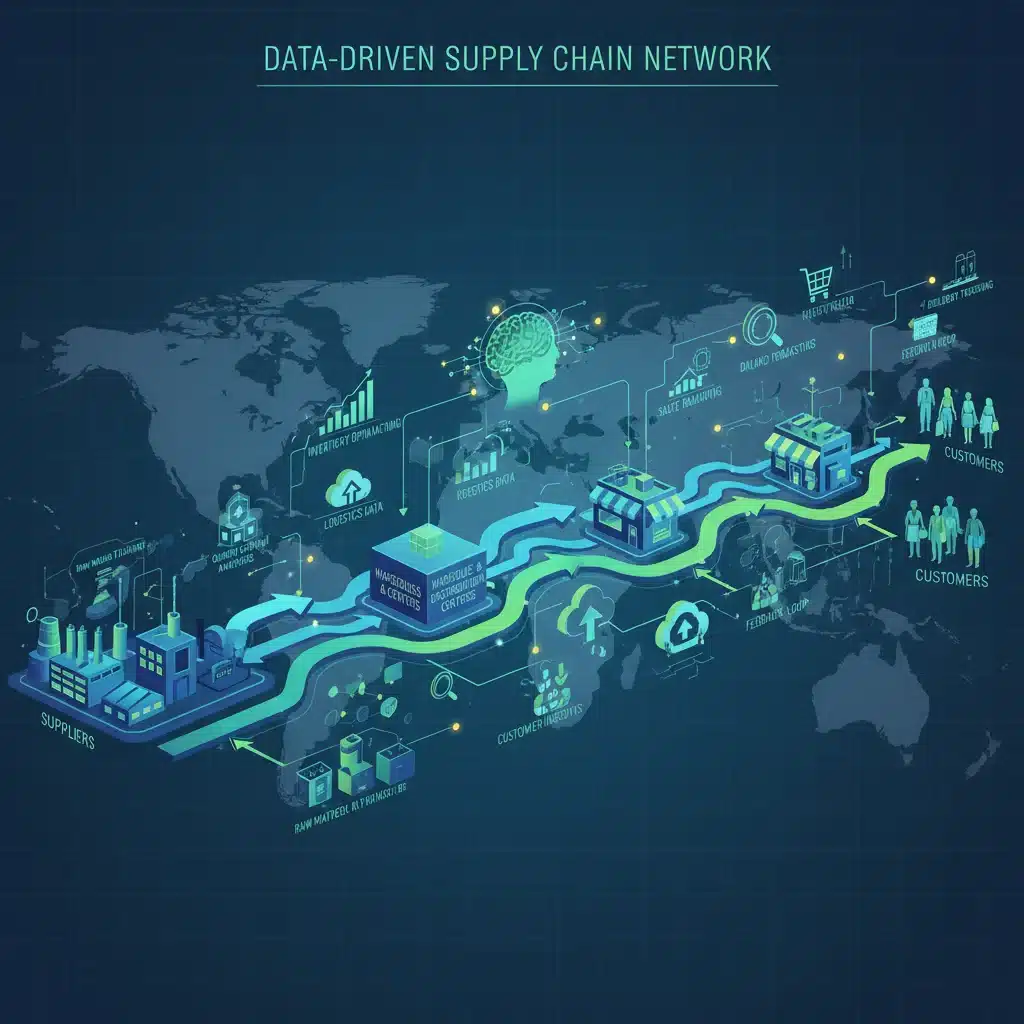
4. Streamline Supply Chain Processes
Even the best forecasting won’t prevent stockouts if the supply chain is inefficient:
- Supplier Relationship Management (SRM): Build strong relationships with key suppliers. Share forecasts, collaborate on production schedules, and negotiate service level agreements that include lead time and fill rate guarantees.
- Lead Time Reduction: Continuously work to shorten lead times from suppliers. Shorter lead times mean less uncertainty and lower safety stock requirements.
- Automated Replenishment: Implement automated replenishment systems that trigger orders based on predefined rules, current inventory levels, and demand forecasts, minimizing manual intervention and delays.
- Cross-Docking and Transshipment: Explore strategies like cross-docking to move goods directly from inbound to outbound logistics, reducing storage time and expediting delivery to stores.
5. Leverage Omnichannel Inventory Management
In today’s retail landscape, inventory is often shared across physical stores, e-commerce, and other channels. Optimizing this requires a unified approach:
- Centralized Inventory Pool: Treat all inventory as a single pool, accessible to all sales channels. This enables strategies like ‘buy online, pick up in store’ (BOPIS) or ‘ship from store,’ effectively turning stores into mini-distribution centers.
- Intelligent Order Routing: Use algorithms to determine the optimal fulfillment location for each order, considering inventory availability, shipping costs, and delivery speed.
- Returns Management: Efficiently process returns and quickly re-integrate sellable items back into available inventory to avoid unnecessary stockouts.
Technology Enablers for Retail Inventory Optimization
The ambitious goal of a 30% stockout reduction within nine months is largely dependent on the effective adoption and integration of cutting-edge technologies. These tools are the backbone of data-driven Retail Inventory Optimization, providing the capabilities for advanced analytics, automation, and real-time visibility.
1. Inventory Management Systems (IMS) and ERP Solutions
At the core of any sophisticated inventory strategy is a robust system to manage it. Modern IMS and ERP platforms offer:
- Centralized Data Hub: They act as a single source of truth, integrating data from POS, e-commerce, warehousing, and accounting.
- Automated Processes: Features like automated reordering, stock transfers, and returns processing reduce manual effort and human error.
- Reporting and Analytics: Built-in dashboards and reporting tools offer insights into inventory performance, turnover rates, and stock levels.
- Scalability: Capable of handling growing product catalogs, multiple locations, and increasing transaction volumes.
When selecting an IMS or ERP, US retailers should prioritize solutions that offer strong integration capabilities with other systems and provide advanced analytical features tailored to retail.
2. Demand Forecasting Software with AI/ML
As discussed, traditional forecasting is insufficient. Dedicated demand forecasting software, often powered by Artificial Intelligence (AI) and Machine Learning (ML), is crucial:
- Pattern Recognition: AI/ML algorithms can identify subtle patterns in sales data, seasonality, and trends that human analysts might miss.
- External Factor Integration: These systems can incorporate a vast array of external data points (weather, holidays, competitor promotions, economic indicators) to refine predictions.
- Self-Learning Capabilities: Over time, the models learn from new data and adapt, continuously improving forecast accuracy.
- Scenario Modeling: Ability to simulate the impact of different events (e.g., a new marketing campaign, a supply chain disruption) on demand.
3. Business Intelligence (BI) and Analytics Platforms
While IMS and forecasting tools offer some reporting, dedicated BI platforms provide deeper, more flexible analytical capabilities:
- Custom Dashboards: Create personalized dashboards for different stakeholders (e.g., store managers, merchandisers, supply chain executives) to monitor key performance indicators (KPIs) relevant to their roles.
- Ad-hoc Reporting: Enable users to generate custom reports on demand, exploring specific data points and trends.
- Data Visualization: Present complex data in easily understandable charts, graphs, and heatmaps, aiding quicker comprehension and decision-making.
- Predictive and Prescriptive Analytics: Go beyond descriptive analytics to predict future outcomes and recommend optimal actions.
4. RFID and IoT for Enhanced Visibility
These technologies are revolutionizing inventory accuracy and real-time tracking:
- RFID (Radio-Frequency Identification): Tags on products allow for rapid, accurate inventory counts without line-of-sight scanning. This drastically reduces manual counting errors and provides near real-time stock levels, especially crucial for apparel and high-volume items.
- IoT (Internet of Things) Sensors: For specific applications, IoT sensors can monitor product conditions (e.g., temperature for perishables), location, and movement within a warehouse or store.
5. Automated Warehouse Management Systems (WMS)
For retailers with significant warehouse operations, a WMS is essential:
- Optimized Storage: Directs where items should be stored for optimal picking efficiency.
- Picking and Packing Automation: Guides staff through efficient picking routes or integrates with robotic systems.
- Shipping and Receiving Efficiency: Streamlines inbound and outbound logistics, reducing processing times and errors.
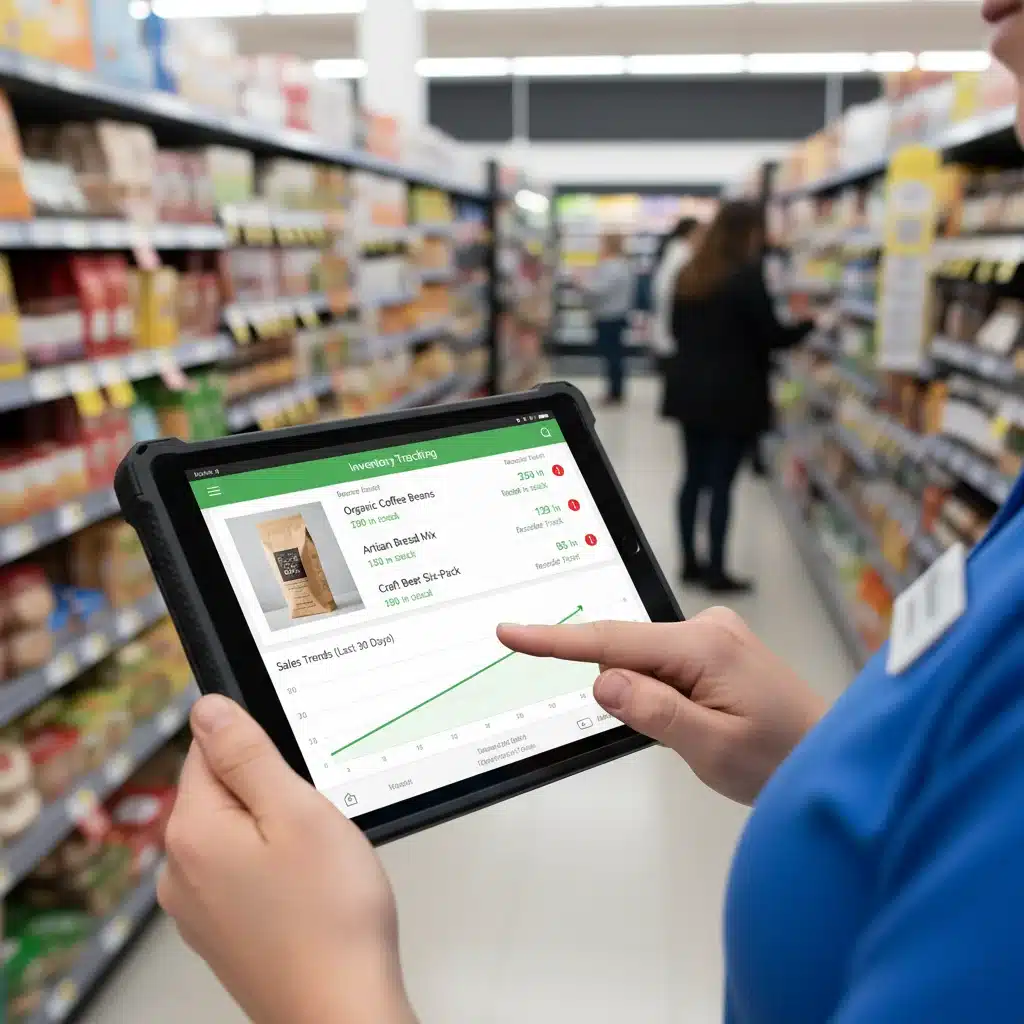
Implementation Roadmap: Your 9-Month Plan to 30% Stockout Reduction
Achieving a 30% stockout reduction in nine months requires a structured approach. Here’s a phased roadmap for US retailers to implement data-driven Retail Inventory Optimization:
Months 1-3: Assessment and Foundation Building
- Current State Assessment: Conduct a thorough audit of existing inventory management processes, systems, and data sources. Identify pain points, data gaps, and areas for quick wins. Document current stockout rates for key product categories.
- Define KPIs and Goals: Clearly establish Key Performance Indicators (KPIs) for inventory performance (e.g., stockout rate, inventory turnover, fill rate, carrying costs). Set a baseline for stockout rates and formally target the 30% reduction.
- Data Integration & Cleansing: Focus on integrating disparate data sources (POS, e-commerce, warehouse, supplier) into a centralized system. Prioritize data cleansing to ensure accuracy and consistency.
- Technology Stack Review: Evaluate existing technology. Identify needs for new IMS, ERP modules, demand forecasting software, or BI tools. Begin vendor evaluations and selection.
- Team Training & Alignment: Educate key stakeholders across departments (merchandising, operations, sales, marketing) on the project goals and the importance of data-driven inventory.
Months 4-6: Implementation and Pilot Programs
- System Implementation & Configuration: Deploy selected inventory management and demand forecasting software. Configure the systems to align with your business rules and product categories.
- Initial Demand Forecasting Model Development: Start building and training initial AI/ML demand forecasting models using historical data. Begin with a subset of products (e.g., high-impact items).
- Safety Stock Optimization Rollout: Implement dynamic safety stock calculations for pilot product categories.
- Real-Time Visibility Enhancement: Deploy RFID or advanced barcode scanning solutions in a pilot store or warehouse.
- Supplier Collaboration Initiatives: Begin discussions with key suppliers to improve data sharing, lead time transparency, and service level agreements.
- Pilot Program Launch: Run the new system and processes in a controlled environment (e.g., a few stores, a specific product category). Collect feedback and identify immediate areas for refinement.
Months 7-9: Optimization, Scaling, and Continuous Improvement
- Model Refinement & Expansion: Continuously refine demand forecasting models based on new data and performance. Expand the rollout to more product categories and locations.
- Automated Replenishment & Allocation: Fully implement automated replenishment rules and intelligent allocation strategies across the retail network.
- Performance Monitoring & Reporting: Leverage BI dashboards to monitor KPIs in real-time. Conduct regular reviews to track progress against the 30% stockout reduction goal.
- Root Cause Analysis & Corrective Actions: For any remaining stockouts, use data to perform root cause analysis and implement corrective actions.
- Training Reinforcement: Provide ongoing training and support to ensure widespread adoption and proficiency with the new systems and processes.
- Strategic Review: Conduct a comprehensive review at the 9-month mark to assess the achievement of the 30% stockout reduction goal and plan for the next phase of optimization.
Measuring Success: KPIs for Stockout Reduction
To confirm your 30% stockout reduction, robust measurement is essential. Key Performance Indicators (KPIs) provide the objective data needed to track progress and demonstrate ROI:
- Stockout Rate: The most direct measure. Calculate as (Number of stockouts / Total number of product opportunities) or (Number of lost sales due to OOS / Total sales opportunities). Track this by SKU, store, and category.
- Fill Rate: The percentage of customer orders or store requests that can be fulfilled immediately from existing stock. An increase indicates improved availability.
- Sales Uplift: Measure the increase in sales for previously frequently out-of-stock items. This directly quantifies the recovered revenue.
- Customer Satisfaction (CSAT) / Net Promoter Score (NPS): Monitor changes in customer feedback related to product availability.
- Inventory Turnover: While primarily an efficiency metric, an optimized inventory often leads to better turnover without increasing stockouts.
- Lost Sales Value: Estimate the monetary value of sales lost due to stockouts. A reduction here is a direct financial benefit.
- On-Shelf Availability (OSA): The percentage of products that are actually available on the retail shelf when a customer looks for them. This requires in-store auditing.
Challenges and How to Overcome Them
While the benefits of Retail Inventory Optimization are clear, the journey isn’t without its challenges:
- Data Quality: Poor data quality can derail even the best analytics. Invest in robust data governance and cleansing processes.
- Legacy Systems: Integrating new, advanced systems with older, legacy infrastructure can be complex. Plan for phased integration and consider middleware solutions.
- Resistance to Change: Employees accustomed to traditional methods may resist new processes and technologies. Emphasize training, communication, and demonstrate early wins.
- Initial Investment: The upfront cost of new technology can be significant. Focus on demonstrating ROI to secure executive buy-in.
- Supplier Collaboration: Gaining supplier cooperation for data sharing and improved lead times can be difficult. Build strong relationships and highlight mutual benefits.
Conclusion: A Future of Optimized Retail
For US retailers, the era of reactive inventory management is rapidly drawing to a close. The competitive landscape, coupled with evolving consumer expectations, demands a proactive, intelligent approach. Embracing data-driven inventory management and committing to Retail Inventory Optimization is not just an opportunity; it’s a necessity for sustained growth and profitability.
The goal of reducing stockouts by 30% within nine months is an ambitious but achievable target. By systematically collecting and analyzing data, leveraging advanced forecasting and automation technologies, optimizing safety stock, streamlining supply chains, and fostering a culture of continuous improvement, retailers can transform their inventory from a liability into a powerful strategic advantage.
Imagine a retail environment where shelves are consistently stocked, customer satisfaction soars, and operational inefficiencies are minimized. This future is within reach. By embarking on this data-driven journey, US retailers can not only mitigate the pervasive problem of stockouts but also unlock new levels of efficiency, customer loyalty, and ultimately, a healthier bottom line. The time to act is now, and the data holds the key to your success.