E-commerce Logistics Optimization 2026: Reducing Delivery Times by 2 Days Across the US
The landscape of e-commerce is in a perpetual state of evolution, driven by increasingly demanding consumer expectations for speed, convenience, and sustainability. As we look towards 2026, the imperative for businesses to master e-commerce logistics optimization has never been more critical. The goal? To not just meet, but exceed, these expectations, specifically by reducing delivery times by a significant two days across the vast expanse of the United States. This ambitious target requires a multifaceted approach, integrating advanced technologies, strategic partnerships, and a deep understanding of customer behavior. In this comprehensive guide, we will delve into the core strategies and innovations that will define successful e-commerce logistics in the coming years, ensuring your business remains competitive and customer-centric.
The Shifting Sands of Consumer Expectations: Why Speed Matters More Than Ever
In today’s instant gratification economy, ‘fast’ is no longer fast enough. Consumers, empowered by experiences with industry giants, now anticipate near-instantaneous delivery. A recent study indicated that over 60% of online shoppers consider fast shipping a key factor in their purchase decision, with a significant portion willing to pay more for expedited service. This paradigm shift means that traditional logistics models, designed for efficiency over speed, are becoming obsolete. Businesses that fail to adapt risk losing market share to agile competitors who prioritize rapid fulfillment. Achieving a two-day reduction in delivery times across the US is not merely about operational improvement; it’s about fundamentally reshaping the customer experience and building lasting loyalty. This level of e-commerce logistics optimization directly impacts customer satisfaction, repeat purchases, and ultimately, a company’s bottom line.
The Economic Impact of Expedited Delivery
Beyond customer satisfaction, the economic benefits of faster delivery are substantial. Reduced transit times often correlate with lower inventory holding costs, as goods spend less time in the supply chain. Furthermore, improved delivery speed can lead to a decrease in customer service inquiries related to shipping delays, freeing up valuable resources. Brands known for their quick and reliable delivery also tend to command higher perceived value, allowing for premium pricing strategies. The ripple effect of enhanced e-commerce logistics optimization extends to reduced cart abandonment rates, as customers are less likely to second-guess a purchase when speedy delivery is guaranteed. This holistic impact underscores the strategic importance of investing in logistics improvements.
Leveraging Technology for Unprecedented Speed: The Core of E-commerce Logistics Optimization
Technology is the undeniable cornerstone of achieving significant delivery time reductions. From artificial intelligence (AI) and machine learning (ML) to automation and advanced data analytics, these tools are transforming every stage of the supply chain. Businesses aiming for a two-day delivery cut must embrace these innovations wholeheartedly, integrating them into their existing infrastructure and processes.
Artificial Intelligence and Machine Learning in Route Optimization
AI and ML algorithms are revolutionizing route optimization by analyzing vast datasets, including real-time traffic conditions, weather patterns, historical delivery data, and even predictive demand. This allows for dynamic routing that adapts to unforeseen circumstances, ensuring the most efficient path from warehouse to doorstep. Traditional route planning, often static and based on historical averages, cannot compete with the agility offered by AI. Predictive analytics, a subset of AI, can also forecast potential bottlenecks or delays, enabling proactive adjustments before they impact delivery schedules. This intelligent approach to transportation is paramount for e-commerce logistics optimization.
Automation in Warehousing and Fulfillment Centers
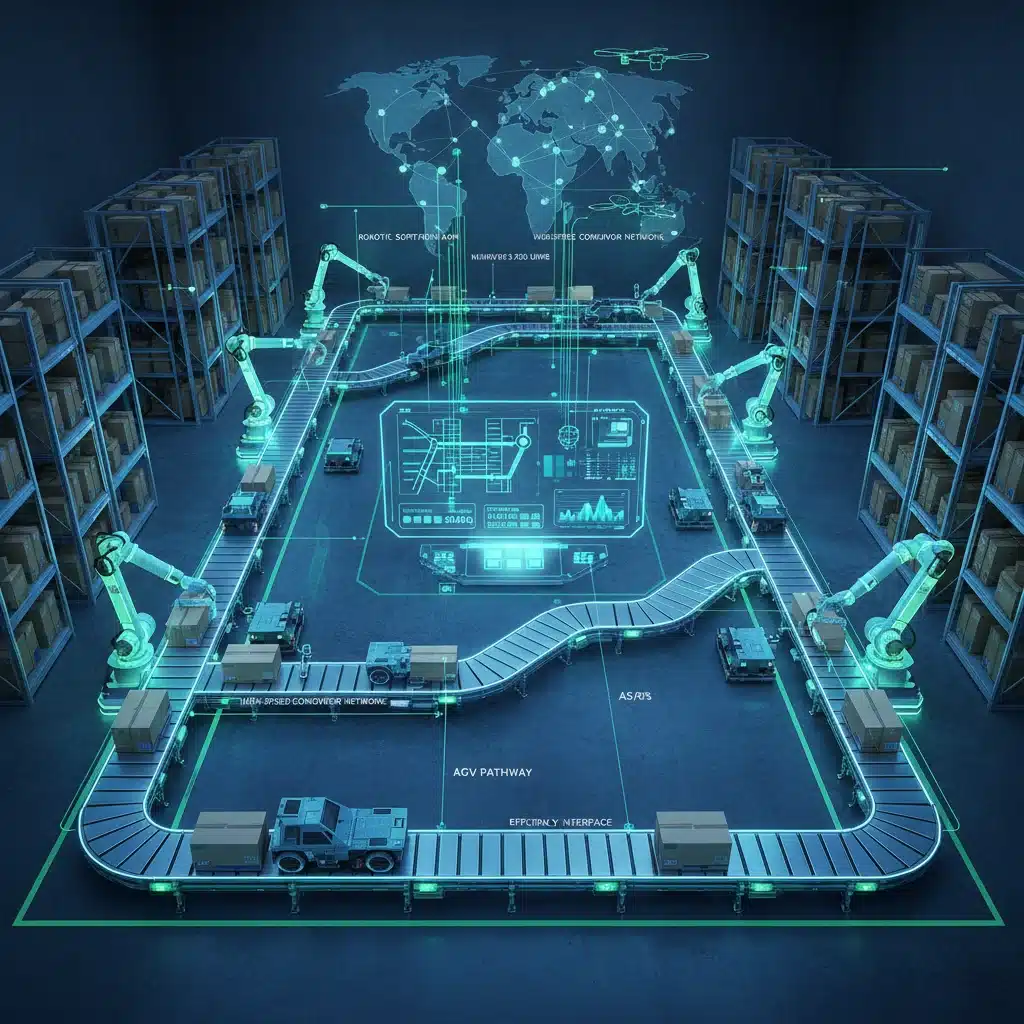
The speed at which orders are processed and packed directly impacts overall delivery times. Automation in warehouses, through technologies like robotic pickers, automated storage and retrieval systems (AS/RS), and conveyor belts, dramatically reduces the time spent on order fulfillment. These systems operate with unparalleled speed and accuracy, minimizing human error and increasing throughput. Furthermore, automated sorting and packing machines can handle a higher volume of orders, especially during peak seasons, without compromising efficiency. Investing in these automated solutions is a significant step towards achieving rapid e-commerce logistics optimization.
The Power of Real-time Visibility and IoT
Internet of Things (IoT) devices, such as GPS trackers and smart sensors, provide real-time visibility into the location and status of goods throughout the entire supply chain. This level of transparency allows businesses to monitor shipments, identify potential delays, and communicate accurate delivery estimates to customers. Real-time data feeds into AI-powered systems, further enhancing route optimization and inventory management. For instance, if a truck is delayed due to an accident, the system can instantly re-route other vehicles or alert customers to the updated delivery window. This proactive communication is vital for maintaining customer trust and managing expectations, a key component of effective e-commerce logistics optimization.
Strategic Network Design: The Backbone of Expedited Delivery
Beyond technology, the physical layout and operational strategy of your logistics network play a crucial role in achieving faster delivery. This involves rethinking warehouse locations, distribution center strategies, and last-mile delivery partnerships.
Distributed Warehouse Networks and Micro-fulfillment Centers
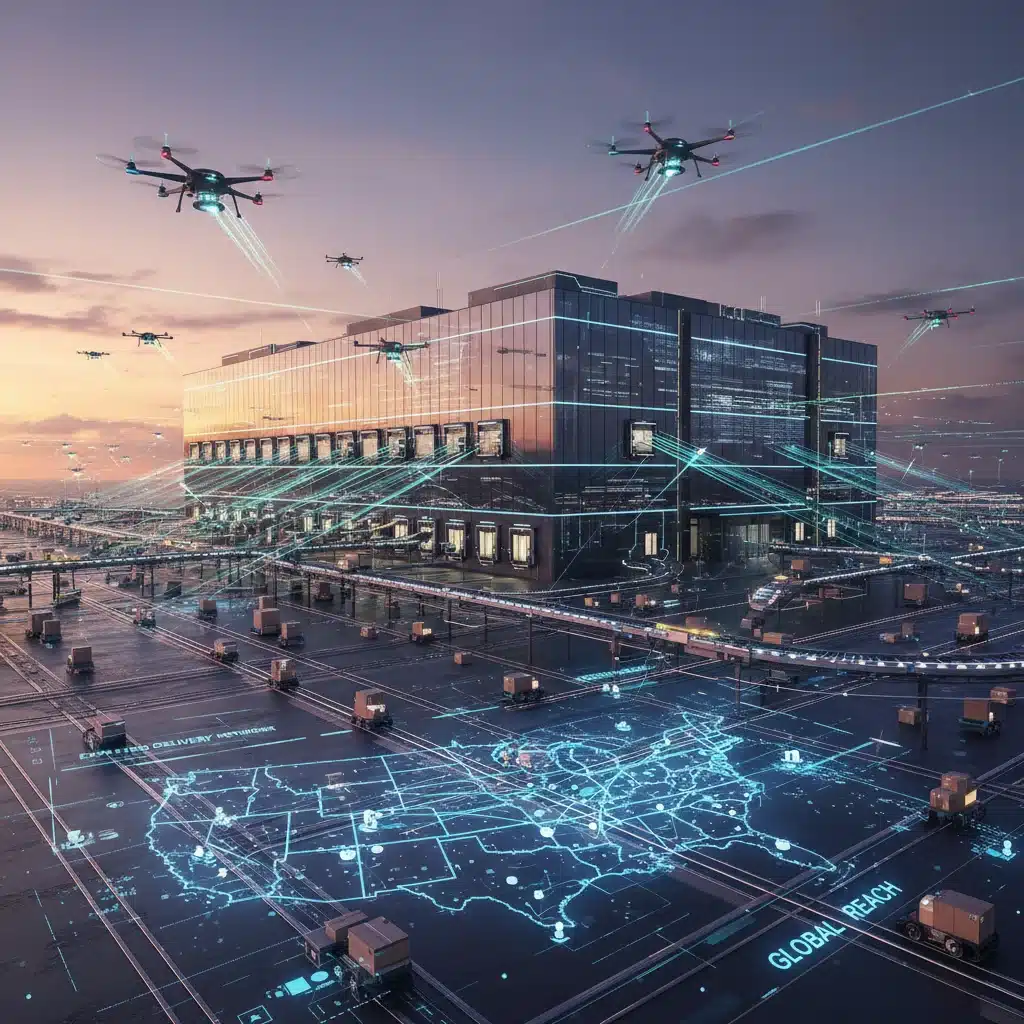
To cut down on long-haul transit times, e-commerce businesses are increasingly adopting distributed warehouse networks. This involves establishing multiple fulfillment centers strategically located closer to major population centers across the US. The emergence of micro-fulfillment centers, smaller automated facilities often located within urban areas, takes this concept a step further. These smaller hubs allow for ultra-fast delivery, sometimes within hours, by minimizing the distance goods need to travel. By placing inventory closer to the end-consumer, businesses can significantly reduce the ‘miles to customer’ and, consequently, the delivery time, a fundamental aspect of e-commerce logistics optimization.
Optimizing Last-Mile Delivery
The ‘last mile’ – the final leg of a product’s journey to the customer’s doorstep – is often the most expensive and time-consuming part of the delivery process. Optimizing this segment is critical for achieving a two-day reduction. Strategies include:
- Diversified Delivery Fleets: Incorporating electric vehicles, cargo bikes, and even autonomous delivery robots for urban areas can enhance speed and sustainability.
- Crowdsourced Delivery: Partnering with local couriers or gig economy workers can provide flexible and scalable last-mile solutions, especially during peak demand.
- Click-and-Collect / Buy Online, Pick Up In-Store (BOPIS): Offering customers the option to pick up their orders from nearby retail locations or designated pick-up points can alleviate last-mile pressure and provide immediate gratification.
- Dynamic Route Assignment: Using AI to assign deliveries to the most efficient driver and route in real-time.
Each of these approaches contributes to a more agile and responsive last-mile operation, crucial for comprehensive e-commerce logistics optimization.
The Role of Data Analytics and Predictive Planning
Data is the fuel that powers modern logistics. Advanced analytics and predictive planning are indispensable for identifying inefficiencies, forecasting demand, and making informed strategic decisions that lead to faster delivery. Without robust data analysis, efforts towards e-commerce logistics optimization will be based on guesswork rather than actionable insights.
Demand Forecasting and Inventory Management
Accurate demand forecasting, powered by AI and ML, allows businesses to anticipate customer needs and strategically position inventory across their distributed network. By understanding which products will be in demand in which regions, companies can pre-position stock, minimizing the need for long-distance transfers and reducing fulfillment times. This proactive approach to inventory management prevents stockouts and ensures products are readily available for rapid dispatch. The precision offered by predictive analytics in this area is a game-changer for effective e-commerce logistics optimization.
Performance Metrics and Continuous Improvement
Establishing clear Key Performance Indicators (KPIs) related to delivery speed, accuracy, and cost is essential. Regularly analyzing these metrics allows businesses to identify bottlenecks, measure the impact of new strategies, and continuously refine their logistics operations. A culture of continuous improvement, driven by data-driven insights, is vital for sustaining the gains made in reducing delivery times. This iterative process of analysis, implementation, and evaluation is fundamental to ongoing e-commerce logistics optimization.
Partnerships and Collaboration: Expanding Your Logistics Reach
No single company can conquer the complexities of nationwide expedited delivery alone. Strategic partnerships and collaborative efforts are becoming increasingly important for extending reach and capabilities.
Third-Party Logistics (3PL) Providers
Partnering with experienced 3PL providers can offer immediate access to established networks, advanced technologies, and specialized expertise. 3PLs often have multiple warehouses across the country, sophisticated transportation management systems, and a deep understanding of regional delivery challenges. Leveraging a 3PL can significantly accelerate a company’s ability to offer faster delivery without the massive upfront investment required to build out its own infrastructure. Choosing the right 3PL is a critical decision for successful e-commerce logistics optimization.
Carrier Network Optimization
Working with a diverse portfolio of carriers, rather than relying on a single provider, offers flexibility and redundancy. This allows businesses to select the most efficient and cost-effective carrier for each specific route and delivery requirement. Negotiating favorable terms and service level agreements (SLAs) with multiple carriers can also ensure consistent performance and competitive pricing, directly impacting delivery speed and cost-effectiveness in e-commerce logistics optimization.
Sustainability in Expedited E-commerce Logistics
As businesses push for faster delivery, the environmental impact of increased transportation and packaging cannot be ignored. Sustainable practices are not just good for the planet; they are increasingly expected by consumers and can lead to long-term cost savings. Integrating sustainability into e-commerce logistics optimization is a strategic imperative for 2026 and beyond.
Eco-friendly Transportation and Packaging
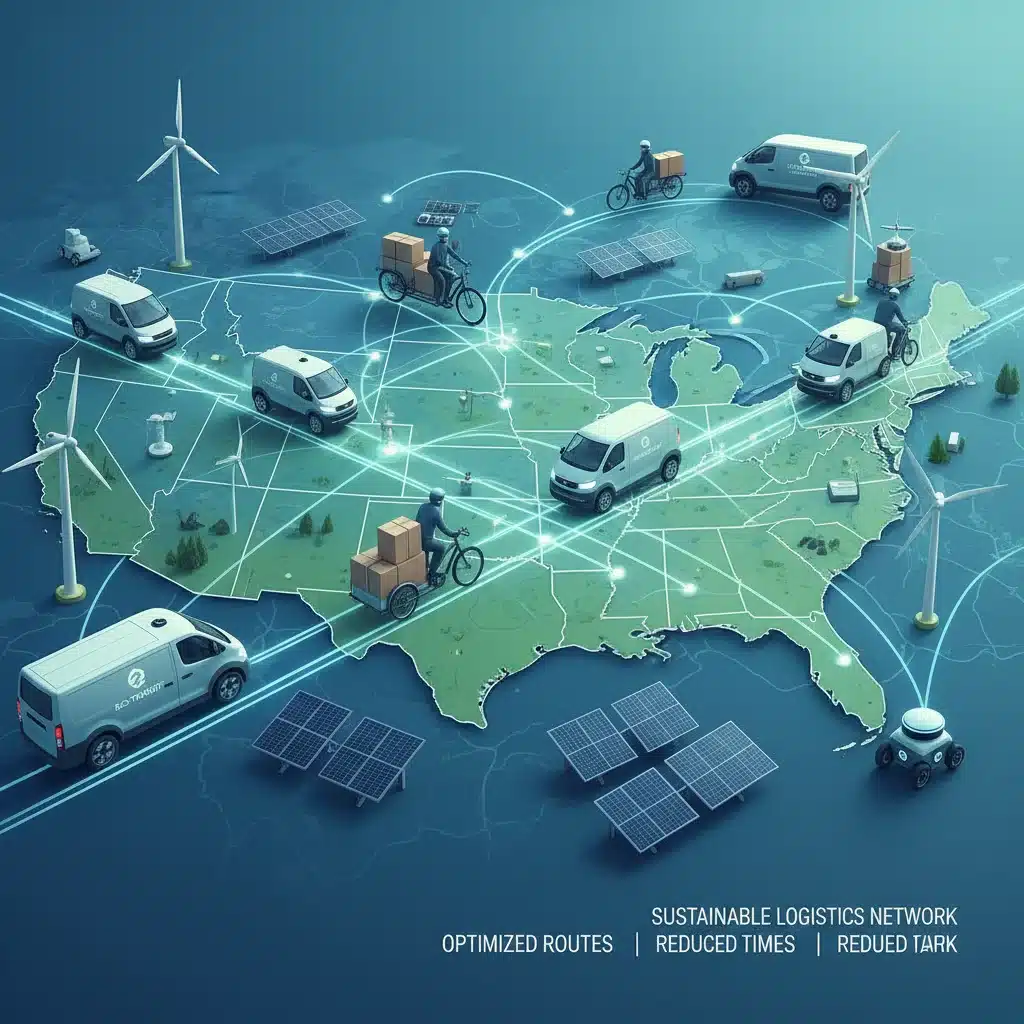
The adoption of electric vehicles (EVs) for last-mile delivery, optimizing routes to reduce fuel consumption, and exploring alternative fuel sources for long-haul transport are all steps towards a greener logistics operation. Similarly, using recyclable, biodegradable, or minimal packaging materials can significantly reduce waste. Communicating these sustainable efforts to customers can also enhance brand reputation and appeal to environmentally conscious buyers. This dual focus on speed and sustainability defines modern e-commerce logistics optimization.
Reverse Logistics for a Circular Economy
Efficient reverse logistics, the process of managing returned goods, is another area where sustainability and efficiency intersect. Streamlined returns processes not only improve customer satisfaction but also allow for the quicker re-entry of products into the sales cycle, reducing waste and improving inventory utilization. Implementing robust systems for product inspection, repair, and recycling contributes to a more circular economy and aligns with modern consumer values. This often overlooked aspect is crucial for holistic e-commerce logistics optimization.
Overcoming Challenges and Future Outlook
Achieving a two-day reduction in delivery times across the US is not without its challenges. Infrastructure limitations, regulatory hurdles, labor shortages, and the sheer geographical scale of the country all present significant obstacles. However, continuous innovation and strategic foresight can help overcome these.
Addressing Infrastructure and Regulatory Hurdles
Investment in national infrastructure, particularly in transportation networks, is crucial. Businesses can also advocate for policies that support advanced logistics technologies, such as drone delivery or autonomous vehicles. Staying abreast of evolving regulations related to data privacy, cross-state shipping, and labor laws is essential for compliance and smooth operations. Navigating these complexities is part of the ongoing journey of e-commerce logistics optimization.
The Human Element: Training and Workforce Development
While automation and AI are transforming logistics, the human element remains vital. Training the workforce to operate and manage these new technologies, as well as fostering a culture of adaptability and continuous learning, is paramount. Skilled logistics professionals are needed to oversee complex automated systems, analyze data, and manage customer relationships. Investing in workforce development ensures that technological advancements are complemented by human expertise, making e-commerce logistics optimization truly effective.
The Competitive Advantage of Speed
In the fiercely competitive e-commerce market, speed has become a key differentiator. Businesses that can consistently deliver faster than their rivals will not only capture a larger market share but also build stronger brand loyalty. The two-day delivery reduction is not just a logistical goal; it’s a strategic imperative that positions a company for long-term success and resilience in an ever-changing market. The ongoing pursuit of superior e-commerce logistics optimization directly translates into a significant competitive edge.
Conclusion: Paving the Way for a Faster E-commerce Future
The journey towards achieving a two-day reduction in e-commerce delivery times across the US by 2026 is ambitious but entirely attainable. It demands a holistic approach that integrates cutting-edge technology, strategic network design, data-driven decision-making, and collaborative partnerships. From AI-powered route optimization and automated fulfillment centers to distributed warehouse networks and sustainable last-mile solutions, every element plays a critical role. Embracing these strategies for e-commerce logistics optimization will not only meet the escalating demands of consumers but also create a more efficient, resilient, and environmentally responsible supply chain. The future of e-commerce is fast, and businesses that proactively invest in optimizing their logistics will be the ones that thrive in this dynamic landscape.
By focusing on these key areas, e-commerce businesses can transform their logistics operations from a cost center into a powerful competitive advantage, ensuring they are well-prepared for the challenges and opportunities that 2026 and beyond will bring. The ultimate goal remains creating seamless, rapid, and delightful delivery experiences for every customer, every time.