Cut Retail Costs: 6 Strategies for US Retailers to Save 15% Annually by 2027
Cut Retail Costs: 6 Strategies for US Retailers to Save 15% Annually by 2027
The retail landscape in the United States is more competitive and dynamic than ever before. From fluctuating consumer demands and rising operational expenses to the relentless pace of technological change, US retailers are constantly seeking ways to maintain profitability and ensure long-term sustainability. One of the most critical levers available to businesses looking to improve their bottom line is effective retail cost reduction. In an environment where margins can be razor-thin, even small percentage savings can translate into significant financial gains, freeing up capital for reinvestment, innovation, or increased shareholder value.
The goal for many forward-thinking retailers isn’t just to cut costs indiscriminately, but to implement strategic changes that optimize operations without compromising customer experience or product quality. This article delves into six powerful strategies that US retailers can adopt to achieve substantial annual savings, with an ambitious yet attainable target of a 15% reduction by 2027. We will explore how a holistic approach, combining technological adoption, process re-engineering, and strategic partnerships, can lead to sustainable financial improvements.
Understanding the nuances of retail cost reduction is paramount. It’s not merely about slashing budgets; it’s about identifying inefficiencies, leveraging data, and making informed decisions that enhance overall business performance. By focusing on areas such as supply chain optimization, inventory management, energy efficiency, labor optimization, technology integration, and waste reduction, retailers can build a resilient and more profitable enterprise. Let’s embark on a detailed exploration of these strategies, providing actionable insights for retailers aiming to thrive in the modern economy.
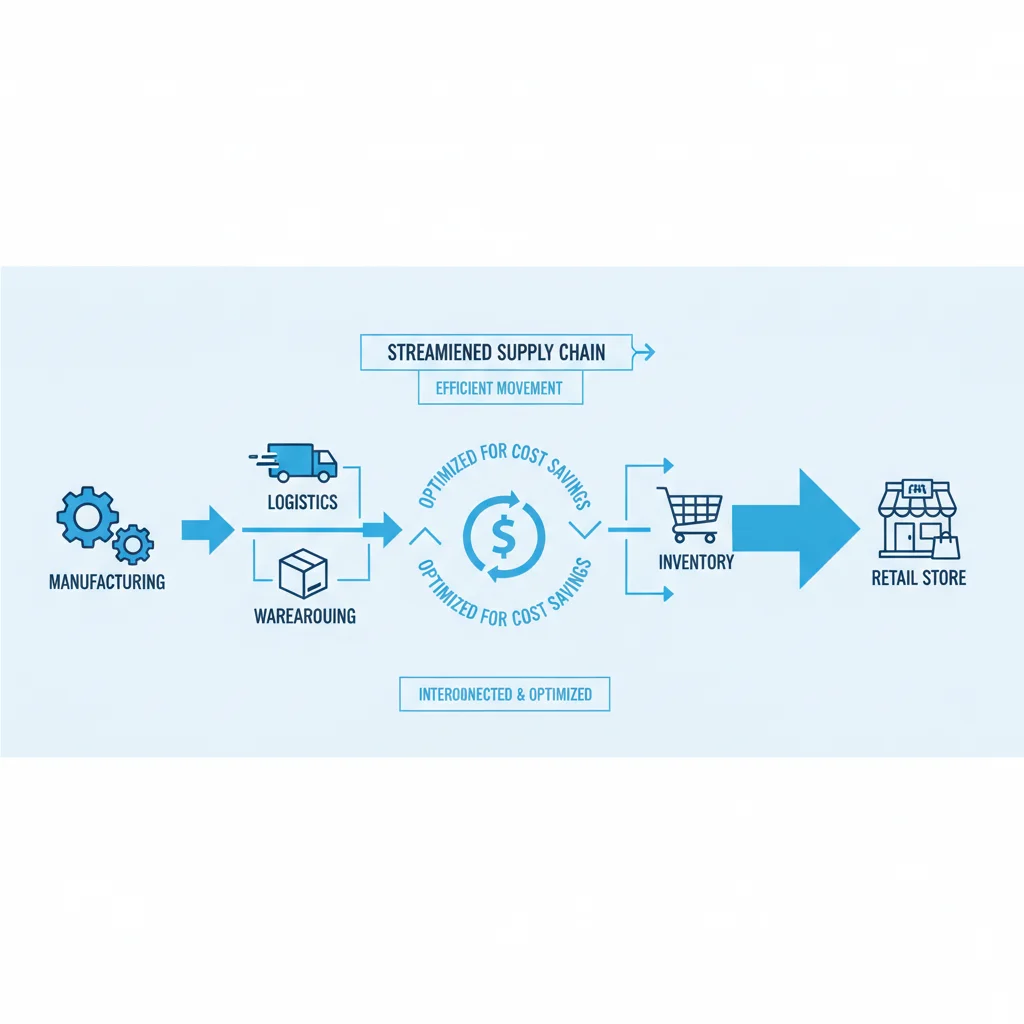
1. End-to-End Supply Chain Optimization: A Cornerstone of Retail Cost Reduction
The supply chain is often the single largest cost center for retailers. From sourcing raw materials (for private labels) to manufacturing, logistics, warehousing, and final delivery, every step incurs significant expenses. Optimizing this complex network is a critical component of any effective retail cost reduction strategy. The objective is to enhance efficiency, reduce lead times, minimize waste, and secure better terms with suppliers.
Strategic Sourcing and Supplier Relationship Management
The foundation of supply chain optimization begins with strategic sourcing. Retailers should regularly review their supplier base, negotiate better terms, and explore alternative suppliers who can offer competitive pricing without compromising quality. This isn’t just about finding the cheapest option; it’s about building strong, long-term relationships with reliable suppliers who can offer consistent quality, timely delivery, and flexibility. Consolidating orders with fewer, trusted suppliers can often lead to volume discounts and improved service levels. Implementing competitive bidding processes and leveraging purchasing power across different product categories can yield substantial savings.
Logistics and Transportation Efficiency
Transportation costs can quickly escalate, especially with rising fuel prices and global shipping challenges. Retailers need to analyze their logistics network to identify areas for improvement. This includes optimizing shipping routes, consolidating shipments, and negotiating favorable rates with carriers. Investing in logistics management software can provide real-time visibility into the supply chain, allowing for dynamic route optimization and proactive problem-solving. Exploring multimodal transportation options, where feasible, can also contribute to significant savings and reduced environmental impact. Furthermore, implementing cross-docking strategies can reduce warehousing time and associated costs by directly transferring goods from inbound to outbound transportation.
Warehouse and Inventory Management
Warehousing expenses, including rent, utilities, labor, and equipment, represent a substantial portion of operational costs. Efficient warehouse management is crucial for retail cost reduction. This involves optimizing warehouse layout for faster picking and packing, implementing automation where appropriate (e.g., automated guided vehicles, robotic picking systems), and adopting advanced inventory management systems. These systems can track inventory levels in real-time, forecast demand more accurately, and reduce instances of overstocking or stockouts. Minimizing obsolete inventory through better forecasting and markdown strategies also frees up valuable warehouse space and capital.
The ‘just-in-time’ (JIT) inventory approach, while challenging, can drastically reduce holding costs by receiving goods only as they are needed. However, retailers must balance JIT with the risk of supply chain disruptions. A more pragmatic approach involves optimizing safety stock levels based on demand variability and supplier lead times, ensuring sufficient stock without excessive carrying costs.
2. Smart Inventory Management: Minimizing Waste and Maximizing Cash Flow
Inventory is often a retailer’s largest asset, but also a significant source of cost if not managed effectively. Holding too much inventory ties up capital, incurs storage costs, increases the risk of obsolescence, and can lead to markdowns. Too little inventory, on the other hand, results in lost sales and dissatisfied customers. Smart inventory management is a cornerstone of effective retail cost reduction.
Demand Forecasting and Analytics
Accurate demand forecasting is paramount. Retailers should leverage historical sales data, seasonal trends, promotional impacts, and external factors (e.g., economic indicators, social media trends) to predict future demand more precisely. Advanced analytics tools, including machine learning and AI, can significantly improve forecasting accuracy, reducing both overstocking and stockouts. By understanding customer purchasing patterns, retailers can optimize ordering quantities and timing.
SKU Rationalization
Many retailers carry an excessive number of Stock Keeping Units (SKUs), some of which are slow-moving or unprofitable. SKU rationalization involves analyzing the profitability and sales velocity of each product to identify underperforming items. By discontinuing or reducing the stock of these items, retailers can free up capital, reduce storage costs, and simplify their inventory management processes. This allows for a greater focus on high-performing products and better allocation of resources.
Returns Management and Loss Prevention
Returns can be a major drain on resources, encompassing logistics, processing, repackaging, and potential loss of saleable product. Streamlining the returns process, implementing clear return policies, and analyzing return data to identify common issues (e.g., product defects, inaccurate descriptions) can reduce costs. Similarly, robust loss prevention strategies, including advanced security systems, employee training, and inventory audits, are essential to minimize shrinkage from theft, damage, and administrative errors. These measures directly contribute to retail cost reduction by protecting valuable assets.
3. Energy Efficiency and Sustainability Initiatives: Green Savings
Operating physical retail stores consumes a significant amount of energy for lighting, heating, cooling, and powering equipment. Investing in energy efficiency and sustainability initiatives not only reduces a retailer’s environmental footprint but also offers substantial opportunities for retail cost reduction.
LED Lighting Upgrades
One of the simplest yet most impactful changes retailers can make is replacing traditional lighting with LED systems. LEDs consume significantly less energy, have a much longer lifespan, and provide better illumination. While the initial investment might seem considerable, the rapid payback period through reduced electricity bills and lower maintenance costs makes it a highly attractive option. Many utility companies also offer rebates or incentives for LED upgrades, further sweetening the deal.
HVAC Optimization and Smart Thermostats
Heating, Ventilation, and Air Conditioning (HVAC) systems are major energy consumers. Regular maintenance, including filter changes and system checks, ensures optimal performance. Upgrading to more energy-efficient HVAC units, especially in older buildings, can lead to substantial savings. Implementing smart thermostats and energy management systems allows retailers to control temperatures remotely, schedule HVAC operation based on store hours and occupancy, and identify energy waste. Predictive analytics can even optimize HVAC usage based on weather forecasts.
Renewable Energy and Energy Audits
For larger retail chains or properties, exploring renewable energy options like solar panels can provide long-term energy independence and significant cost savings. While the upfront investment is substantial, government incentives and declining technology costs make it an increasingly viable option. Regardless of scale, conducting professional energy audits can identify hidden areas of energy waste, from poor insulation to inefficient equipment, providing a roadmap for targeted improvements that drive retail cost reduction.
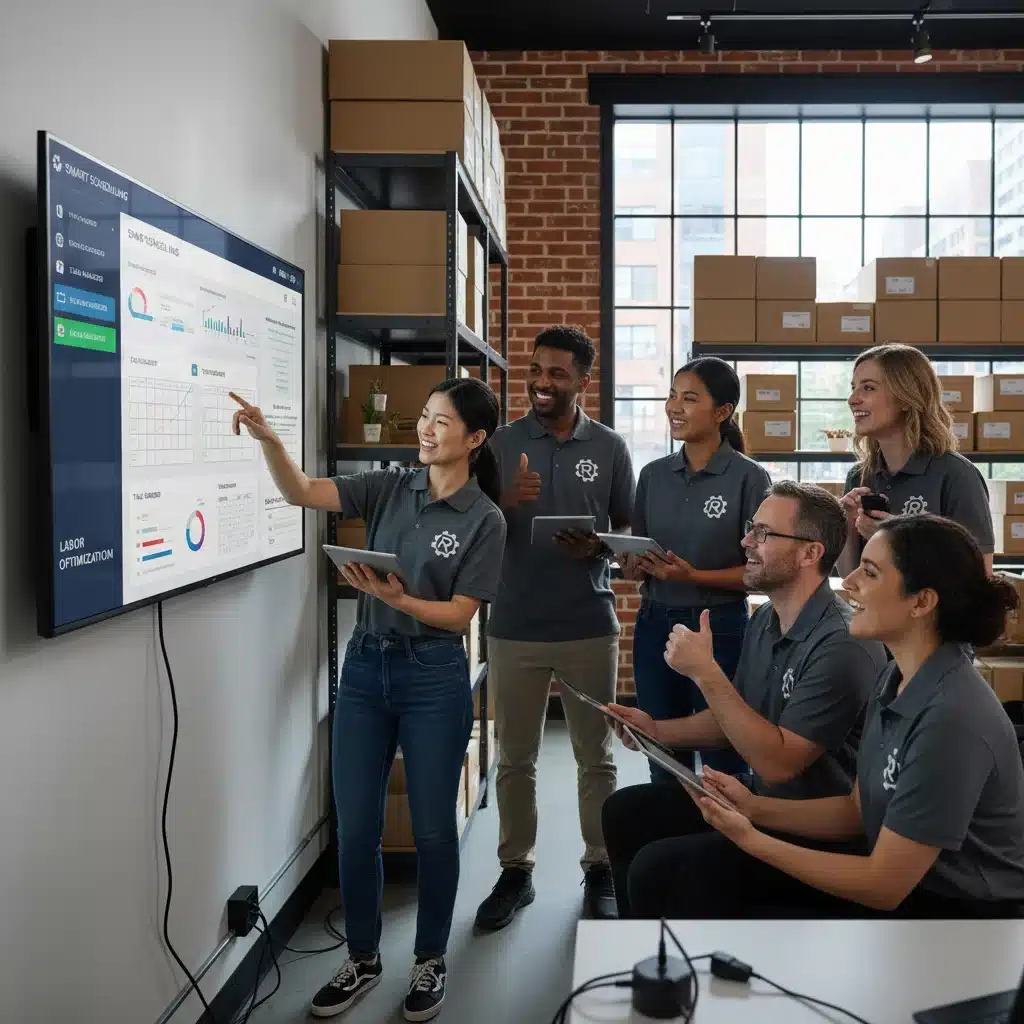
4. Labor Optimization and Workforce Management: Balancing Efficiency and Experience
Labor costs typically represent the second-largest expense for retailers after inventory. Optimizing workforce management is crucial for retail cost reduction, but it must be done carefully to avoid negatively impacting employee morale or customer service. The goal is to maximize productivity while minimizing unnecessary overtime and staffing redundancies.
Advanced Scheduling Software
Manual scheduling is often inefficient and prone to errors. Advanced workforce management software can significantly improve scheduling accuracy by considering factors such as historical sales data, foot traffic patterns, employee availability, and skill sets. This ensures that the right number of employees with the right skills are on the floor at peak times, while reducing overstaffing during slower periods. Such systems can also help manage compliance with labor laws and prevent costly penalties.
Cross-Training and Multitasking
Cross-training employees to perform multiple roles (e.g., cashier, stockroom associate, online order fulfillment) increases flexibility and efficiency. This allows managers to deploy staff more effectively based on real-time needs, reducing the need for additional hires or overtime. A versatile workforce can adapt quickly to changing demands, leading to better customer service and improved operational flow, directly contributing to retail cost reduction.
Performance Metrics and Productivity Analysis
Regularly analyzing performance metrics, such as sales per employee hour, customer service ratings, and task completion rates, can identify areas for improvement. By setting clear expectations and providing ongoing training, retailers can enhance employee productivity. Identifying and addressing bottlenecks in workflows can also free up employee time for more value-added activities. Incentive programs tied to productivity and cost savings can further motivate employees.
5. Leveraging Technology for Operational Efficiency: The Digital Edge
In the digital age, technology is no longer an optional expense but a strategic investment that drives both growth and retail cost reduction. From automating routine tasks to providing actionable insights, technology can revolutionize how retailers operate.
Point-of-Sale (POS) and Enterprise Resource Planning (ERP) Systems
Modern POS systems do more than just process transactions; they integrate with inventory management, customer relationship management (CRM), and accounting functionalities. This integration eliminates data silos, reduces manual data entry errors, and provides a holistic view of the business. ERP systems take this a step further, consolidating all business processes into a single, unified platform, leading to greater efficiency, better decision-making, and significant administrative cost savings.
Automation of Repetitive Tasks
Many administrative and operational tasks in retail are repetitive and time-consuming. Automating these tasks, such as invoice processing, data entry, report generation, and even some aspects of customer service (e.g., chatbots for FAQs), can free up employee time for more strategic activities. Robotic Process Automation (RPA) can be particularly effective in back-office functions, leading to substantial retail cost reduction in labor and error rates.
Data Analytics and Business Intelligence
The vast amounts of data generated by retail operations are a goldmine for identifying cost-saving opportunities. Business intelligence (BI) tools and data analytics platforms can process this data to reveal insights into sales trends, customer behavior, operational inefficiencies, and potential areas for cost optimization. For example, analyzing transaction data can help optimize product placement, pricing strategies, and promotional effectiveness, all contributing to better inventory turnover and reduced waste.
6. Waste Reduction and Sustainable Practices: Beyond the Obvious
Waste isn’t just an environmental concern; it’s a significant financial drain for retailers. Implementing comprehensive waste reduction strategies can lead to considerable retail cost reduction across various operational areas.
Packaging Optimization
Excessive or inefficient packaging increases material costs, shipping expenses, and generates more waste. Retailers should evaluate their product packaging to ensure it is minimal, sustainable, and protective. Exploring lightweight materials, reusable packaging, and packaging made from recycled content can lead to savings in procurement and transportation, while also appealing to environmentally conscious consumers.
Reducing Product Damage and Spoilage
Product damage during transit, in warehouses, or on the sales floor, as well as spoilage for perishable goods, directly translates to lost revenue. Implementing better handling procedures, optimizing storage conditions, and improving inventory rotation (e.g., First-In, First-Out for perishables) can significantly reduce these losses. For food retailers, advanced refrigeration technologies and predictive analytics for shelf-life management are crucial.
Recycling and Circular Economy Initiatives
Beyond reducing waste at the source, establishing robust recycling programs for cardboard, plastics, and other materials can reduce waste disposal costs. Participating in or initiating circular economy initiatives, where products or materials are reused, repaired, or repurposed, can create new revenue streams or reduce reliance on virgin materials. For instance, textile retailers might offer garment recycling programs, while electronics retailers could facilitate device trade-ins, generating value from what would otherwise be waste.
Implementing a Holistic Approach to Retail Cost Reduction
Achieving a 15% annual retail cost reduction by 2027 is an ambitious but achievable target for US retailers who adopt a strategic and holistic approach. It requires more than just making superficial cuts; it demands a deep dive into every aspect of the business to identify inefficiencies and opportunities for optimization. The strategies outlined above are interconnected, and their combined effect will be greater than the sum of their individual parts.
For instance, optimizing the supply chain (Strategy 1) directly impacts inventory management (Strategy 2) by ensuring more timely and precise deliveries. Better inventory management, in turn, reduces storage costs and the risk of obsolescence, freeing up capital. Leveraging technology (Strategy 5) is a powerful enabler across almost all other strategies, from improving demand forecasting and automating tasks to optimizing energy usage and managing labor schedules more effectively.
Key Steps for Successful Implementation:
- Conduct a Comprehensive Cost Audit: Before making any changes, understand where every dollar is being spent. Identify major cost centers and areas with the highest potential for savings.
- Set Clear, Measurable Goals: Define specific, measurable, achievable, relevant, and time-bound (SMART) goals for each cost reduction initiative. The 15% annual savings target for 2027 serves as an excellent overarching goal.
- Foster a Culture of Efficiency: Encourage all employees, from front-line staff to senior management, to actively look for ways to reduce waste and improve efficiency. Provide training and incentives for innovative ideas.
- Invest in the Right Technology: While technology involves upfront costs, the return on investment through increased efficiency and reduced operational expenses can be substantial. Choose solutions that integrate well with existing systems and scale with your business.
- Monitor and Adapt: Cost reduction is an ongoing process, not a one-time project. Regularly monitor key performance indicators (KPIs), analyze results, and be prepared to adapt strategies based on changing market conditions and internal performance.
- Prioritize and Pilot: Not all initiatives can be tackled at once. Prioritize those with the highest potential impact and lowest implementation risk. Consider running pilot programs to test new strategies before a full-scale rollout.
The Future of Profitable Retail
In conclusion, the path to sustained profitability for US retailers in the coming years will heavily rely on their ability to master retail cost reduction. By meticulously dissecting operational expenditures and embracing innovative solutions, businesses can not only mitigate financial pressures but also gain a significant competitive advantage. The journey to a 15% annual savings by 2027 is challenging, but with strategic planning, disciplined execution, and a commitment to continuous improvement, it is a goal well within reach. The retailers who proactively adopt these strategies will be the ones best positioned to thrive in an ever-evolving market, delivering value to both their shareholders and their customers.