US Retail Privacy Compliance 2026: Navigating New Regulations and Building Trust

Navigating the New Privacy Landscape: Ensuring US Retail Compliance and Maintaining Customer Trust in 2026
The year 2026 looms large on the horizon for US retailers, signaling an era of significant transformation in data privacy and consumer protection. As new regulations take shape and existing ones evolve, the imperative for robust retail privacy compliance has never been more critical. This isn’t merely about avoiding penalties; it’s about safeguarding customer trust, a currency far more valuable than any fine.
The digital age has ushered in unprecedented opportunities for retailers to understand their customers, personalize experiences, and drive sales. However, this data-rich environment also brings heightened responsibilities. Consumers are becoming increasingly aware of their data rights, and regulators are responding with stricter frameworks. For retailers, staying ahead of this curve is paramount. This comprehensive guide will delve into the anticipated landscape of US retail privacy compliance in 2026, offering actionable insights and strategies to not only meet regulatory demands but also to cultivate an unshakeable foundation of customer trust.
The Evolving Landscape of US Data Privacy Regulations
The United States, unlike the European Union with its GDPR, has historically adopted a sector-specific and state-by-state approach to data privacy. While this has created a patchwork of regulations, the trend is undeniably moving towards more comprehensive and harmonized laws. By 2026, we can expect several key developments to shape the US retail privacy compliance environment:
Federal Privacy Legislation: A Growing Likelihood
While a comprehensive federal privacy law has remained elusive, the momentum for such legislation is building. Discussions around a national standard continue, and it’s plausible that by 2026, or shortly thereafter, a framework akin to the American Data Privacy and Protection Act (ADPPA) could be enacted. Such a law would establish baseline consumer rights across all states, including rights to access, correct, delete, and opt-out of data sales. For retailers, this would mean a more uniform set of rules, but also a significant undertaking to align their data practices with a new national standard. The impact on retail privacy compliance would be profound, requiring a complete re-evaluation of data collection, usage, and sharing practices.
State-Level Expansion and Harmonization
Even without a federal law, the proliferation of state-level privacy laws is set to continue. California’s CCPA and CPRA have set a precedent, inspiring similar legislation in states like Virginia (VCDPA), Colorado (CPA), Utah (UCPA), and Connecticut (CTDPA). By 2026, we anticipate more states will have enacted their own comprehensive privacy laws, potentially leading to a more complex compliance environment for retailers operating across state lines. The challenge for retailers will be to navigate these varying requirements, seeking common ground where possible and implementing flexible systems that can adapt to state-specific nuances. This fragmented legal landscape underscores the importance of a robust and adaptable retail privacy compliance strategy.
Focus on Biometric Data and AI
The increasing use of biometric data (e.g., facial recognition, fingerprints) and artificial intelligence (AI) in retail operations presents unique privacy challenges. Several states already have laws specifically addressing biometric data, and federal guidance is likely to emerge. Retailers leveraging these technologies for security, personalized marketing, or customer service will need to ensure strict compliance with consent requirements, data storage protocols, and transparency obligations. The ethical implications of AI and its potential for bias also fall under the umbrella of responsible data handling, further emphasizing the need for robust retail privacy compliance in these emerging areas.
Increased Enforcement and Penalties
As privacy laws mature, so too will their enforcement. Regulators are becoming more sophisticated in identifying and penalizing non-compliance. The financial repercussions of data breaches and privacy violations can be substantial, encompassing not only direct fines but also reputational damage, legal fees, and loss of customer loyalty. By 2026, retailers should anticipate a heightened regulatory scrutiny and be prepared to demonstrate their adherence to privacy principles through comprehensive audits, clear policies, and robust data governance frameworks. This heightened scrutiny will make effective retail privacy compliance a non-negotiable aspect of business operations.
Key Pillars of Robust Retail Privacy Compliance for 2026
To effectively navigate this evolving privacy landscape, retailers must focus on several core pillars. These aren’t isolated initiatives but rather interconnected components of a holistic data privacy strategy.
1. Comprehensive Data Mapping and Inventory
You can’t protect what you don’t know you have. The first step towards effective retail privacy compliance is a thorough understanding of all personal data collected, processed, stored, and shared. This involves:
- Identifying Data Sources: Where does personal data originate? (e.g., online forms, in-store transactions, loyalty programs, third-party vendors).
- Categorizing Data Types: What kind of data is being collected? (e.g., PII, sensitive personal information, biometric data, purchase history).
- Understanding Data Flows: Where does the data go within the organization and with third parties?
- Assessing Data Purpose and Lawful Basis: Why is the data being collected, and what legal justification supports it?
- Determining Data Retention Policies: How long is the data kept, and is it necessary for that duration?
A detailed data inventory provides the foundation for all subsequent privacy efforts, enabling retailers to identify risks, implement appropriate controls, and respond effectively to data subject requests. Without this fundamental understanding, achieving sustainable retail privacy compliance is virtually impossible.
2. Strengthening Consent Mechanisms and Transparency
Consumer consent is at the heart of many privacy regulations. By 2026, retailers must move beyond vague, pre-checked boxes and embrace clear, granular, and easily revocable consent mechanisms. This includes:
- Clear and Concise Privacy Notices: Policies should be written in plain language, easily accessible, and clearly explain what data is collected, why, and how it’s used.
- Granular Consent Options: Allow customers to consent to specific data uses (e.g., marketing emails vs. personalized recommendations) rather than an all-or-nothing approach.
- Easy Opt-Out and Revocation: Make it simple for customers to withdraw consent at any time, with clear instructions and readily available tools.
- Just-in-Time Notifications: Provide relevant privacy information at the point of data collection, especially for sensitive data.
Transparency builds trust. When customers understand how their data is being used and feel they have control, they are more likely to engage with the brand. This proactive approach to consent and transparency is a cornerstone of effective retail privacy compliance.

3. Implementing Robust Data Security Measures
Even with the best privacy policies, a data breach can erode trust and lead to significant penalties. Data security is a non-negotiable aspect of retail privacy compliance. Retailers must invest in and continuously update their security infrastructure, including:
- Encryption: Encrypting data both in transit and at rest to protect it from unauthorized access.
- Access Controls: Implementing least privilege access, ensuring only authorized personnel have access to personal data, and regularly reviewing access rights.
- Multi-Factor Authentication (MFA): Adding an extra layer of security for systems containing sensitive data.
- Regular Security Audits and Penetration Testing: Proactively identifying vulnerabilities and strengthening defenses.
- Incident Response Plan: Having a clear, well-rehearsed plan for detecting, responding to, and recovering from data breaches.
- Vendor Due Diligence: Ensuring that all third-party vendors and partners who handle customer data meet the same stringent security standards.
A strong security posture not only protects data but also demonstrates a commitment to customer privacy, which is vital for maintaining trust and ensuring retail privacy compliance.
4. Establishing Data Subject Rights Management
Most modern privacy laws grant individuals specific rights over their personal data. By 2026, retailers must have efficient and reliable processes in place to handle these requests:
- Right to Access: Providing individuals with copies of their personal data.
- Right to Correction/Rectification: Allowing individuals to correct inaccurate data.
- Right to Deletion/Erasure: Deleting personal data upon request, subject to legal limitations.
- Right to Opt-Out of Sale/Sharing: Enabling individuals to prevent their data from being sold or shared for targeted advertising.
- Right to Portability: Providing data in a structured, commonly used, and machine-readable format.
Automating these processes where possible can improve efficiency and reduce the risk of non-compliance. Failing to adequately respond to data subject requests within specified timeframes can lead to regulatory penalties and a significant loss of customer confidence. Effective management of these rights is a core component of retail privacy compliance.
5. Implementing Privacy by Design and Default
Privacy by Design is a proactive approach that integrates privacy considerations into the design and operation of information systems, products, and business practices from the outset. Privacy by Default means that, by default, the highest level of privacy is applied without requiring individual action. For retailers, this means:
- Anonymization and Pseudonymization: Using these techniques to reduce the identifiable nature of personal data whenever possible.
- Data Minimization: Collecting only the data absolutely necessary for a specific purpose.
- Regular Privacy Impact Assessments (PIAs): Conducting PIAs before launching new products, services, or data processing activities to identify and mitigate privacy risks.
- Employee Training: Ensuring all employees understand their roles and responsibilities in protecting customer data and adhering to privacy policies.
Embedding privacy into the organizational culture and technical infrastructure is crucial for long-term retail privacy compliance and fostering a privacy-first mindset.
Maintaining Customer Trust in a Privacy-Conscious World
Compliance is the floor, but trust is the ceiling. While meeting regulatory requirements is essential, truly thriving in the 2026 privacy landscape requires going beyond mere compliance to actively build and maintain customer trust. This involves:
Building a Culture of Privacy
Privacy should not be seen as a burden but as a core value. Retailers need to cultivate an organizational culture where privacy is everyone’s responsibility. This starts from the top, with leadership championing privacy initiatives and allocating sufficient resources. Regular training, clear internal policies, and a commitment to ethical data practices will help embed privacy into the DNA of the retail organization. When employees understand the importance of data protection, they become advocates for consumer trust, which directly supports retail privacy compliance.
Transparent Communication and Education
Beyond legal privacy notices, retailers should actively communicate their commitment to privacy in accessible ways. This could involve blog posts, FAQs, and even in-store signage explaining data practices. Educating customers about the benefits of data sharing (e.g., personalized recommendations, loyalty rewards) while clearly outlining their control over that data can foster a more collaborative relationship. Open and honest communication about data practices is key to maintaining trust and enhancing retail privacy compliance efforts.
Leveraging Privacy as a Competitive Advantage
In a world where data breaches are common and privacy concerns are high, retailers who prioritize and visibly demonstrate their commitment to privacy can differentiate themselves. Highlighting strong privacy practices in marketing, offering privacy-enhancing tools, and being transparent about data use can attract privacy-conscious consumers and build a loyal customer base. Privacy can move from being a cost center to a value proposition, directly impacting brand reputation and market share. This strategic approach elevates retail privacy compliance into a business asset.
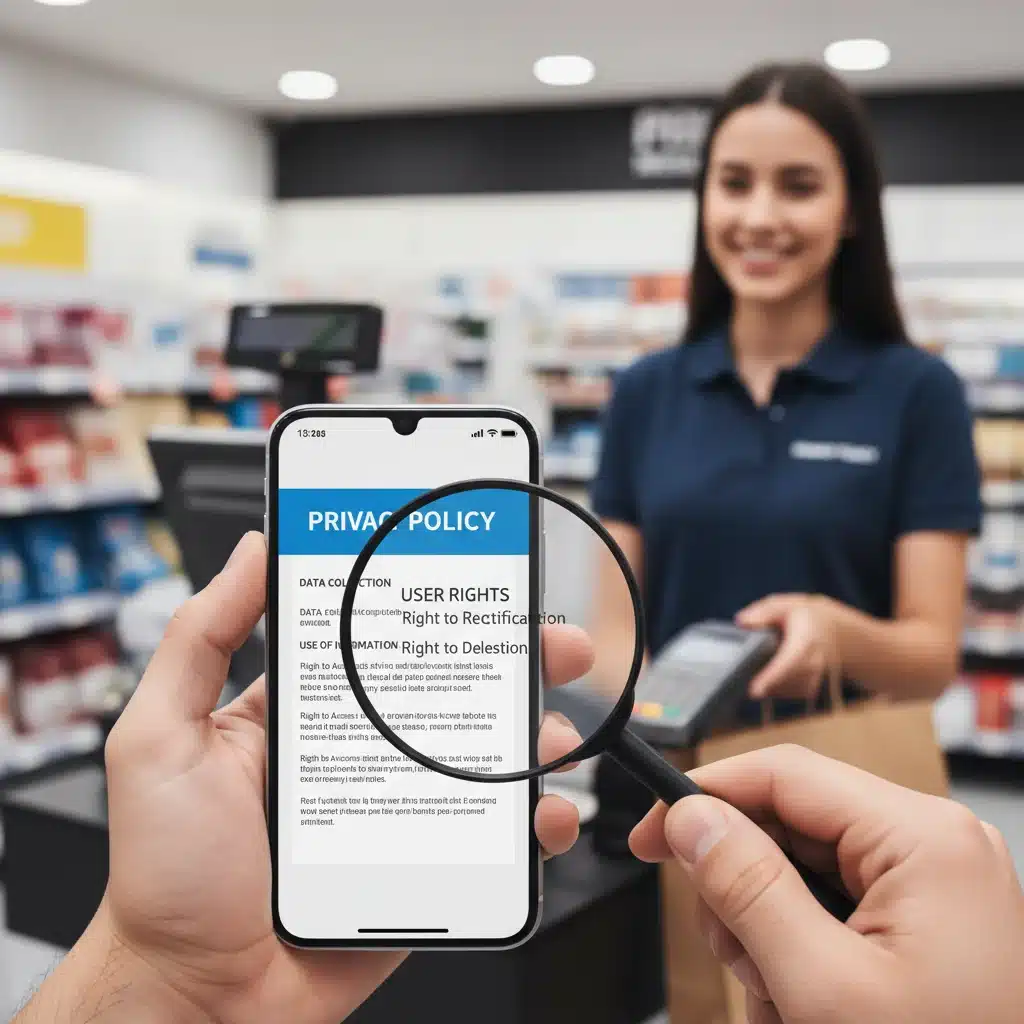
Proactive Risk Management and Continuous Improvement
The privacy landscape is dynamic. New technologies, evolving regulations, and emerging threats mean that retail privacy compliance is not a one-time project but an ongoing process. Retailers must adopt a proactive risk management approach, regularly reviewing their privacy practices, conducting audits, and staying abreast of legislative changes. Establishing a dedicated privacy office or appointing a Data Protection Officer (DPO) can provide the necessary expertise and oversight to ensure continuous improvement and adaptation.
Ethical Data Use and AI Governance
As AI and machine learning become more integrated into retail, ethical considerations around data use gain prominence. Retailers must ensure their AI systems are fair, transparent, and do not perpetuate biases. Developing clear AI governance policies that address data input, algorithm design, and output interpretation is crucial. This not only safeguards privacy but also prevents reputational damage and ensures responsible innovation. Ethical data use is an advanced but increasingly vital aspect of retail privacy compliance.
The Role of Technology in Achieving Retail Privacy Compliance
Technology plays a pivotal role in enabling and streamlining retail privacy compliance efforts. Modern privacy management platforms offer a suite of tools to help retailers:
- Automate Data Subject Request (DSR) Fulfillment: Streamline the process of responding to requests for access, deletion, and opt-outs.
- Manage Consent: Provide centralized dashboards to manage customer consent preferences across various channels.
- Conduct Data Mapping: Discover and categorize personal data across IT systems.
- Generate Privacy Reports and Audits: Demonstrate compliance to regulators and internal stakeholders.
- Cookie Consent Management: Implement compliant cookie banners and preference centers for website visitors.
Investing in the right technology can significantly reduce the manual burden of compliance, enhance accuracy, and provide the necessary audit trails to demonstrate adherence to regulations. This technological support is becoming indispensable for effective retail privacy compliance.
Challenges and Opportunities for Retailers
While the path to 2026 presents challenges, it also opens doors for significant opportunities. The challenges include:
- Resource Allocation: Implementing robust privacy programs requires financial investment and skilled personnel.
- Complexity of Regulations: Navigating a fragmented and evolving legal landscape can be daunting.
- Legacy Systems: Integrating privacy controls into older IT infrastructures can be difficult.
- Third-Party Vendor Management: Ensuring compliance across the entire supply chain.
However, the opportunities are equally compelling:
- Enhanced Customer Loyalty: A strong privacy posture builds trust and strengthens relationships.
- Improved Brand Reputation: Differentiating as a privacy-first brand.
- Better Data Governance: A clearer understanding of data leads to more efficient and secure operations.
- Innovation with Trust: Developing new data-driven services responsibly, knowing customer trust is maintained.
By viewing retail privacy compliance not as a burden but as a strategic advantage, retailers can transform these challenges into opportunities for growth and deeper customer engagement.
Conclusion: A Proactive Approach is Key to 2026 Success
The journey towards 2026 will undoubtedly demand significant effort and strategic foresight from US retailers. The convergence of evolving state laws, the potential for federal legislation, and increasing consumer awareness necessitates a proactive and comprehensive approach to retail privacy compliance. This involves more than just checking boxes; it requires a fundamental shift in how data is viewed, managed, and protected across the entire organization.
By prioritizing data mapping, strengthening consent mechanisms, implementing robust security, facilitating data subject rights, and embedding privacy by design, retailers can not only meet regulatory obligations but also cultivate an environment of transparency and trust. In the highly competitive retail landscape, those who successfully navigate these privacy challenges will emerge stronger, with more loyal customers and a resilient brand reputation. The time to prepare for 2026 is now, ensuring that your retail business is not just compliant, but also a trusted steward of customer data.