Subscription Models US Retail: Boost CLTV by 25% by 2026
The retail landscape in the United States is undergoing a profound transformation, driven by evolving consumer expectations, technological advancements, and the relentless pursuit of sustained growth. In this dynamic environment, one strategy has emerged as a particularly powerful differentiator: the adoption of Retail Subscription Models. This comprehensive guide will delve into how US retailers can leverage these models to not only secure a competitive edge but also achieve a remarkable 25% increase in Customer Lifetime Value (CLTV) by 2026.
The shift from transactional to relational commerce is no longer a nascent trend; it’s a fundamental paradigm shift. Consumers are increasingly valuing convenience, personalization, and a sense of belonging that traditional retail often struggles to provide. Subscription models, when implemented strategically, address these desires head-on, fostering deeper engagement and cultivating long-term loyalty. The promise of predictable revenue, enhanced customer insights, and a more resilient business model makes the exploration and adoption of Retail Subscription Models an imperative for forward-thinking retailers.
The Evolution of Retail and the Rise of Retail Subscription Models
For decades, retail operated on a largely transactional basis. Customers visited stores or websites, made purchases, and the interaction often ended there. While loyalty programs attempted to bridge the gap, they often lacked the recurring engagement and intrinsic value propositions that truly bind customers to a brand. The internet, and subsequently the mobile revolution, introduced unprecedented levels of choice and price transparency, making customer acquisition more expensive and retention more challenging.
Enter the ‘Subscription Economy.’ Pioneered by software-as-a-service (SaaS) companies, the subscription model quickly demonstrated its power in various sectors, from media streaming to meal kits. Its core appeal lies in transforming sporadic purchases into predictable, recurring revenue streams, while simultaneously offering customers ongoing value and convenience. For US retail, this translates into a powerful mechanism to combat churn, build community, and unlock significant CLTV.
The attractiveness of Retail Subscription Models is multi-faceted. From a consumer perspective, they offer:
- Convenience: Products or services delivered automatically, saving time and effort.
- Discovery: Curated boxes introduce new products customers might not have found otherwise.
- Value: Often, subscribers receive exclusive pricing, early access, or bundled services.
- Personalization: Tailored offerings based on preferences and usage data.
- Community: A sense of belonging to a brand that understands and caters to their needs.
From a retailer’s perspective, the benefits are equally compelling:
- Predictable Revenue: Stable cash flow simplifies forecasting and planning.
- Enhanced Customer Insights: Direct, ongoing interaction provides invaluable data for product development and marketing.
- Increased CLTV: Longer customer relationships translate to higher lifetime spending.
- Reduced Churn: Engaged subscribers are less likely to switch brands.
- Stronger Brand Loyalty: A loyal customer base becomes advocates, driving organic growth.
Understanding these foundational aspects is crucial before diving into the specific strategies that will propel US retailers toward a 25% CLTV increase by 2026 through effective Retail Subscription Models.
Key Strategies to Boost CLTV by 25% with Retail Subscription Models
1. Diversify Subscription Model Types
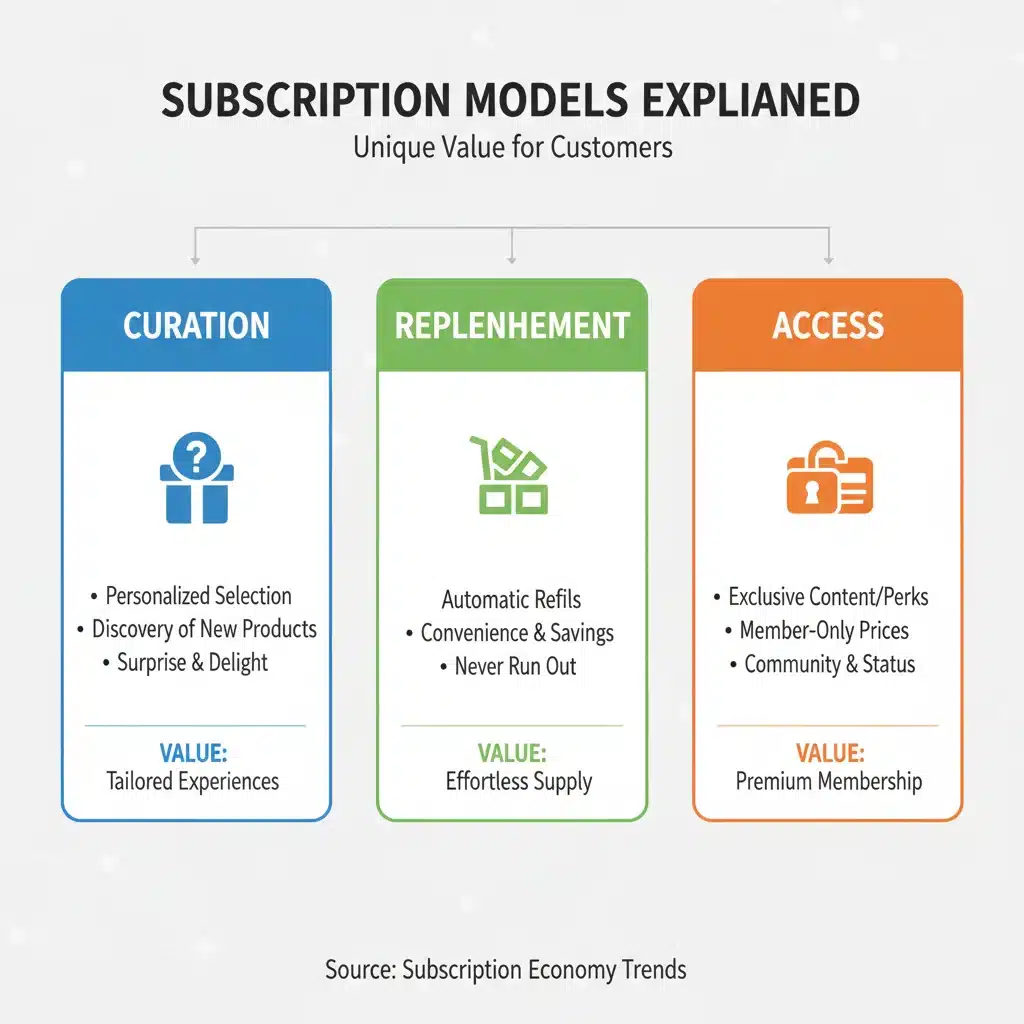
Not all subscriptions are created equal. The most successful Retail Subscription Models often employ a hybrid approach or carefully select the model best suited to their product and customer base. There are generally three main types:
- Replenishment Models: These are ideal for consumable products that customers use regularly, such as coffee, personal care items, pet food, or household staples. The value proposition here is convenience and ensuring customers never run out. Examples include Amazon Subscribe & Save or Dollar Shave Club.
- Curation Models: Focused on discovery and personalization, these models deliver a curated selection of products based on customer preferences. Think beauty boxes (e.g., Birchbox), fashion styling services (e.g., Stitch Fix), or gourmet food subscriptions. The ‘surprise and delight’ factor is key.
- Access Models: These grant subscribers exclusive access to benefits, content, or services. This could include early access to new products, members-only discounts, premium content, or expedited shipping. Retailers like REI (with their co-op membership) or various fashion brands offering ‘insider’ programs utilize this model.
To achieve a 25% CLTV increase, retailers should assess their product portfolio and customer needs to determine which model, or combination of models, will resonate most effectively. A multi-tiered approach, offering basic replenishment alongside a premium curated or access tier, can cater to a wider audience and encourage upsells.
2. Hyper-Personalization at Scale
In the era of big data, generic offerings simply won’t cut it. Hyper-personalization is the bedrock of successful Retail Subscription Models. This goes beyond simply addressing a customer by their first name; it involves:
- Data Collection & Analysis: Utilize every touchpoint – purchase history, browsing behavior, survey responses, social media interactions – to build a comprehensive customer profile.
- AI-Powered Recommendations: Implement AI and machine learning algorithms to suggest products, content, or subscription tiers that are highly relevant to individual subscribers.
- Customizable Subscriptions: Empower customers to modify their subscription frequency, product selection, or even pause their service, offering flexibility that reduces churn.
- Personalized Communication: Tailor email campaigns, app notifications, and in-package inserts based on individual preferences and past interactions.
When customers feel truly understood and valued, their loyalty deepens, directly contributing to a higher CLTV. The goal is to make each subscriber feel like the subscription was designed just for them.
3. Seamless Onboarding and Offboarding Experiences
The first impression is critical, and the last impression can determine if a customer ever returns. A seamless onboarding process for Retail Subscription Models should be intuitive, transparent, and exciting. This includes:
- Clear Value Proposition: From the outset, articulate precisely what the subscriber will receive and why it’s valuable.
- Easy Sign-up: Minimize friction in the sign-up process.
- Welcome Journey: A series of welcome emails or communications that guide the new subscriber, explain how to manage their subscription, and reiterate benefits.
- First Box/Delivery Experience: Ensure the first delivery is exceptional, exceeding expectations in packaging, product quality, and presentation.
Equally important is the offboarding process. While the goal is retention, customers will inevitably churn. A graceful offboarding experience can mitigate negative sentiment and even encourage future re-engagement. This involves:
- Easy Cancellation: Avoid ‘roach motel’ tactics where cancellation is difficult. Transparency builds trust.
- Feedback Collection: Use the cancellation process as an opportunity to understand why customers are leaving.
- Win-back Offers: Based on feedback, present targeted offers to entice customers to return in the future.
A positive experience, even during cancellation, can turn a detractor into a potential future customer or at least prevent negative word-of-mouth.
4. Cultivate Community and Brand Advocacy
Beyond transactional benefits, the most successful Retail Subscription Models foster a sense of community. This emotional connection significantly enhances CLTV. Strategies include:
- Exclusive Content & Events: Offer members-only content, webinars, workshops, or virtual events related to the products.
- Subscriber Forums/Groups: Create online spaces where subscribers can connect, share tips, and discuss products.
- User-Generated Content (UGC) Campaigns: Encourage subscribers to share their experiences on social media using specific hashtags, featuring their content.
- Referral Programs: Reward existing subscribers for bringing in new ones, turning them into brand advocates.
- Feedback Integration: Actively solicit and visibly implement subscriber feedback, showing that their opinions matter.
When customers feel like part of a tribe, they are far more likely to remain loyal and spend more over time. This communal aspect transforms a simple transaction into a meaningful relationship.
5. Data-Driven Optimization and Iteration
The beauty of Retail Subscription Models is the continuous stream of data they generate. To achieve a 25% CLTV increase, retailers must become adept at collecting, analyzing, and acting upon this data. This involves:
- Key Performance Indicators (KPIs): Regularly monitor metrics such as churn rate, average revenue per user (ARPU), customer acquisition cost (CAC), and CLTV.
- A/B Testing: Continuously test different pricing structures, product offerings, communication strategies, and onboarding flows.
- Customer Segmentation: Segment your subscriber base to understand different cohorts’ behaviors and tailor strategies accordingly.
- Predictive Analytics: Use data to predict potential churn risks and proactively intervene with targeted offers or outreach.
- Feedback Loops: Establish mechanisms for continuous feedback from subscribers and integrate these insights into product and service improvements.
The subscription model is not a ‘set it and forget it’ solution. It requires constant refinement and adaptation based on real-time data and customer feedback. This iterative approach is fundamental to maximizing CLTV.
Overcoming Challenges in Implementing Retail Subscription Models
While the benefits are clear, implementing and scaling Retail Subscription Models in the US retail sector comes with its own set of challenges. Addressing these head-on is crucial for success:
1. Managing Inventory and Logistics
Unlike one-off purchases, subscriptions require consistent inventory management and robust logistics for recurring deliveries. Retailers must invest in:
- Accurate Forecasting: Predictive analytics to anticipate demand for subscription products.
- Optimized Supply Chains: Efficient processes to ensure products are available and delivered on time, every time.
- Scalable Fulfillment: Infrastructure that can handle fluctuating subscriber numbers without compromising service quality.
2. Preventing Subscription Fatigue
Consumers are inundated with subscription options. To stand out and prevent ‘subscription fatigue,’ retailers must:
- Offer Unique Value: Clearly differentiate their offering from competitors.
- Maintain Quality & Innovation: Continuously refresh product selections and enhance the subscriber experience.
- Provide Flexibility: Allow subscribers to pause, skip, or modify their subscriptions easily.
3. Pricing Strategy and Value Perception
Setting the right price for Retail Subscription Models is a delicate balance. It must be perceived as fair and deliver clear value. Considerations include:
- Tiered Pricing: Offer different tiers to cater to various budgets and needs.
- Transparent Pricing: Clearly communicate all costs, including shipping and taxes.
- Perceived Value: Ensure the benefits of the subscription (convenience, exclusivity, savings) clearly outweigh the recurring cost.
4. Technology Integration
Successfully running Retail Subscription Models often requires integrating various software solutions for billing, customer relationship management (CRM), inventory, and analytics. Retailers should:
- Invest in Robust Platforms: Choose subscription management platforms that can scale with growth.
- Ensure Seamless Integration: All systems must communicate effectively to provide a unified customer experience and accurate data.
- Prioritize Security: Protect customer payment information with stringent security measures.

Measuring Success: KPIs for Retail Subscription Models
To confirm that your Retail Subscription Models are indeed driving a 25% increase in CLTV by 2026, consistent monitoring of key performance indicators (KPIs) is essential. Here are the most critical metrics:
1. Customer Lifetime Value (CLTV)
This is the ultimate measure of success for subscription businesses. CLTV represents the total revenue a business can reasonably expect from a single customer account over their relationship with the company. The goal is to increase this metric significantly. Formula: (Average Order Value * Purchase Frequency) * Customer Lifespan. For subscriptions, Purchase Frequency is typically monthly or annually, and Customer Lifespan is measured by how long a customer remains subscribed.
2. Churn Rate
The percentage of subscribers who cancel or don’t renew their subscription over a given period. A high churn rate indicates problems with value, pricing, or customer experience. Reducing churn is directly correlated with increasing CLTV.
3. Customer Acquisition Cost (CAC)
The total cost associated with acquiring a new customer, including marketing, sales, and onboarding expenses. While acquiring new subscribers is important, a healthy subscription business ensures that CLTV significantly outweighs CAC. A common benchmark is a CLTV:CAC ratio of 3:1 or higher.
4. Monthly Recurring Revenue (MRR) / Annual Recurring Revenue (ARR)
These metrics represent the predictable revenue a business expects to receive every month or year from its active subscriptions. They are crucial for financial forecasting and valuation.
5. Average Revenue Per User (ARPU)
The average amount of revenue generated per active subscriber over a specific period. This helps identify opportunities for upselling, cross-selling, or optimizing pricing tiers within your Retail Subscription Models.
6. Engagement Rate
While not a direct financial metric, engagement (e.g., website visits, app usage, social media interaction, content consumption) is a strong predictor of retention and, consequently, CLTV. Highly engaged subscribers are less likely to churn.
7. Net Promoter Score (NPS) / Customer Satisfaction (CSAT)
These metrics gauge customer loyalty and satisfaction. Happy, loyal customers are more likely to remain subscribed, refer others, and have a higher CLTV. Continuously monitoring and improving these scores is vital.
By diligently tracking these KPIs and using them to inform continuous optimization efforts, US retailers can systematically work towards and achieve the ambitious goal of a 25% higher CLTV by 2026 through robust Retail Subscription Models.
The Future of US Retail: A Subscription-First Mindset
The retail industry is at an inflection point. The traditional transactional model, while still relevant for many purchases, is increasingly being augmented, and in some cases supplanted, by relationship-driven commerce. Retail Subscription Models are not merely a trend; they represent a fundamental shift in how businesses interact with their customers and generate value.
For US retailers aiming for sustainable growth and a significant boost in CLTV, embracing a subscription-first mindset is no longer optional. It requires a strategic overhaul that touches on product development, marketing, customer service, technology, and operations. It demands a deep understanding of customer needs and a commitment to delivering consistent, personalized value over time.
The 25% increase in CLTV by 2026 is an ambitious yet achievable target for retailers who are willing to innovate, experiment, and adapt. By focusing on diversified model types, hyper-personalization, seamless experiences, community building, and data-driven optimization, businesses can transform their customer relationships from fleeting transactions into enduring partnerships. The future of retail belongs to those who prioritize long-term value and cultivate lasting loyalty through intelligent and engaging Retail Subscription Models.
The journey to a subscription-centric retail future is complex, but the rewards – in terms of predictable revenue, deeper customer relationships, and significantly enhanced CLTV – are well worth the investment. As consumers continue to seek convenience, personalization, and connection, Retail Subscription Models will remain at the forefront of retail innovation, shaping the industry for years to come.