Hyperlocal Fulfillment: Boost US Customer Loyalty 10% by 2026
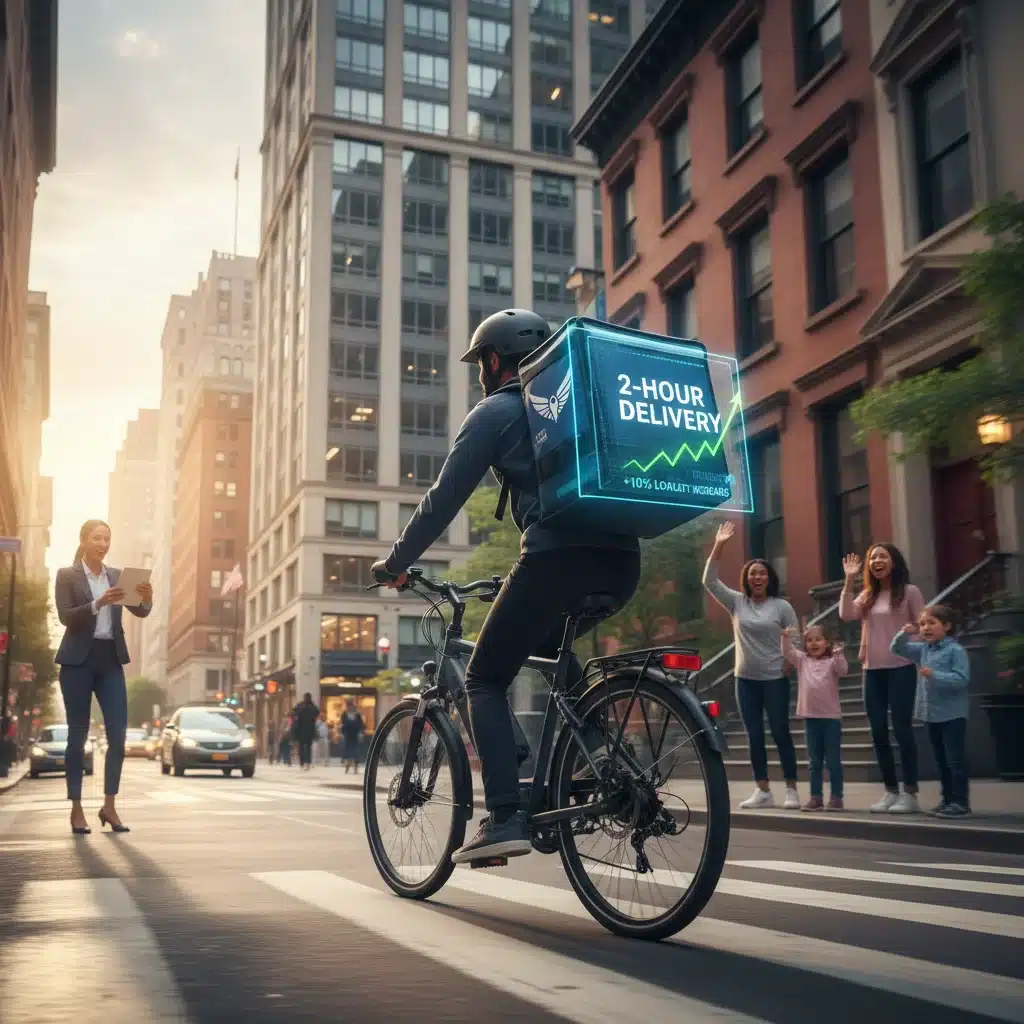
Hyperlocal Fulfillment Strategies: Delivering Orders Within 2 Hours for a 10% Boost in US Customer Loyalty by 2026
In the fiercely competitive landscape of modern retail, speed and convenience have transcended mere preferences to become fundamental expectations. Consumers, particularly in the United States, are no longer content with standard delivery times; they demand instant gratification. This escalating desire for rapid fulfillment has propelled hyperlocal fulfillment strategies to the forefront of e-commerce logistics. Businesses that master the art of delivering orders within two hours are not just meeting demand; they are actively shaping the future of customer loyalty, projected to achieve a significant 10% boost in US customer loyalty by 2026.
This comprehensive guide delves into the intricate world of hyperlocal fulfillment, exploring its mechanisms, benefits, challenges, and the strategic imperatives for businesses aiming to thrive in this rapid-delivery ecosystem. We will uncover how optimizing your supply chain for speed can translate directly into enhanced customer satisfaction, repeat business, and a formidable competitive advantage.
Understanding Hyperlocal Fulfillment: More Than Just Fast Delivery
At its core, hyperlocal fulfillment is about decentralizing inventory and bringing products as close as possible to the end consumer. Unlike traditional centralized warehousing, which often involves long-haul transportation, hyperlocal models leverage a network of smaller, strategically located distribution points – often referred to as micro-fulfillment centers, dark stores, or even existing retail locations – to enable ultra-fast delivery within a very limited geographical radius. The objective is clear: reduce the ‘last mile’ to a few blocks or miles, making 2-hour delivery not just a possibility, but a standard offering.
The Evolution of Delivery Expectations
The journey to 2-hour delivery has been gradual but relentless. A decade ago, next-day delivery was considered revolutionary. Today, same-day delivery is commonplace, and the expectation is rapidly shifting towards immediate fulfillment. This shift is fueled by several factors:
- E-commerce Dominance: The explosion of online shopping has normalized instant access to a vast array of products.
- Mobile Technology: Smartphones have made ordering incredibly easy, fostering an ‘on-demand’ mindset.
- Competitive Pressure: Major players like Amazon have set high benchmarks, compelling others to innovate or fall behind.
- Urbanization: Densely populated urban centers provide the perfect environment for efficient hyperlocal operations.
For US consumers, this means convenience is king. A recent study indicated that a significant percentage of online shoppers would pay more for faster delivery, underscoring the immense value placed on speed. This is where hyperlocal fulfillment strategies shine, directly addressing this critical consumer need.
The Business Imperative: Why Hyperlocal Fulfillment Matters for US Retailers
The pursuit of 2-hour delivery is not merely about keeping up with trends; it’s a strategic imperative with tangible benefits for businesses operating in the US market. The projected 10% boost in customer loyalty by 2026 is a compelling indicator of the profound impact these strategies can have.
Enhanced Customer Satisfaction and Loyalty
The most immediate and profound impact of ultra-fast delivery is on customer satisfaction. Receiving an order within two hours transforms the shopping experience from a waiting game into instant gratification. This positive experience fosters trust, strengthens brand affinity, and significantly increases the likelihood of repeat purchases. Loyal customers are invaluable; they not only provide consistent revenue but also act as brand advocates, driving organic growth through word-of-mouth referrals. In the US, where consumer choice is vast, loyalty is a hard-won asset.
Competitive Differentiation
In a crowded market, offering 2-hour delivery sets a business apart. It provides a distinct advantage over competitors who rely on slower, traditional fulfillment models. This differentiation can attract new customers, especially those with urgent needs or a strong preference for speed, and help retain existing ones who might otherwise be tempted by faster alternatives.
Increased Sales and Conversion Rates
The promise of rapid delivery can be a powerful conversion tool. Shoppers are more likely to complete a purchase if they know they can receive their items quickly. This is particularly true for impulse buys, last-minute necessities, or items where immediate use is desired. By reducing the friction of waiting, businesses can see a direct uplift in sales volumes and improved conversion rates across their e-commerce platforms.
Reduced Cart Abandonment
High shipping costs and long delivery times are two of the primary reasons for shopping cart abandonment. Hyperlocal fulfillment strategies, by their very nature, work to mitigate both. Localized inventory often means lower shipping costs, and the promise of 2-hour delivery eliminates the wait time concern, leading to fewer abandoned carts and more completed transactions.
Optimized Inventory Management and Reduced Waste
While counterintuitive at first glance, decentralizing inventory can lead to more efficient stock management. With smaller, more frequent replenishments to micro-fulfillment centers, businesses can reduce the risk of overstocking certain items in a central warehouse and minimize carrying costs. This agile approach also helps in quickly responding to local demand fluctuations, reducing waste from unsold or expired goods, especially for perishable items.
Key Components of Successful Hyperlocal Fulfillment Strategies
Implementing effective hyperlocal fulfillment strategies requires a multi-faceted approach, integrating technology, infrastructure, and operational excellence. Here are the critical components:
1. Strategic Micro-Fulfillment Center (MFC) Placement
The cornerstone of hyperlocal delivery is the strategic placement of MFCs. These are smaller, often automated warehouses located in urban or densely populated areas. Their proximity to customers is paramount. Data analytics, including demographic information, population density, traffic patterns, and existing customer order data, is crucial for identifying optimal locations that maximize reach and minimize delivery times.

2. Advanced Inventory Management Systems
Real-time, accurate inventory visibility across all MFCs is non-negotiable. Businesses need sophisticated Warehouse Management Systems (WMS) and Inventory Management Systems (IMS) that can track stock levels, allocate orders to the nearest available MFC, and manage replenishment efficiently. Predictive analytics can further enhance this by forecasting local demand, ensuring the right products are in the right place at the right time.
3. Robust Last-Mile Delivery Network
The ‘last mile’ is often the most expensive and complex part of the delivery process. For 2-hour delivery, an incredibly efficient and agile last-mile network is essential. This can involve:
- Dedicated Fleet: Employing a local fleet of delivery vehicles (bikes, scooters, electric vans) for rapid, short-distance trips.
- Third-Party Logistics (3PL) Partners: Collaborating with specialized last-mile delivery providers who have established local networks and expertise.
- Crowdsourced Delivery: Utilizing a network of independent contractors (like Uber Eats or DoorDash models) for flexible, on-demand delivery capacity.
- Route Optimization Software: Essential for planning the most efficient delivery routes, minimizing travel time, and maximizing deliveries per driver.
4. Seamless Order Management and Fulfillment Technology
From the moment a customer places an order to its final delivery, the entire process must be streamlined and automated. This includes:
- Order Orchestration: Systems that automatically route orders to the optimal MFC based on inventory availability and customer location.
- Automated Picking and Packing: Technologies like robotics and automated storage and retrieval systems (AS/RS) within MFCs can dramatically speed up the picking and packing process.
- Real-time Tracking: Providing customers with accurate, real-time updates on their order status significantly enhances transparency and satisfaction.
5. Data Analytics and Continuous Optimization
Success in hyperlocal fulfillment is not a one-time achievement but an ongoing process of refinement. Businesses must continuously collect and analyze data on delivery times, customer feedback, inventory turnover, and operational costs. This data-driven approach allows for identifying bottlenecks, optimizing processes, and adapting strategies to changing market conditions and consumer behaviors.
Challenges and Considerations for Implementing Hyperlocal Fulfillment
While the benefits are clear, implementing hyperlocal fulfillment strategies comes with its own set of challenges that businesses must address thoughtfully.
High Initial Investment
Setting up a network of MFCs, investing in automation, and developing robust delivery infrastructure requires significant capital expenditure. Businesses need to carefully assess the return on investment (ROI) and scale their efforts strategically.
Operational Complexity
Managing multiple smaller distribution points, coordinating a rapid delivery fleet, and ensuring consistent service quality across different locations adds a layer of operational complexity. This necessitates strong leadership, efficient communication channels, and well-trained staff.
Inventory Fragmentation
While decentralized inventory has its advantages, it also means stock is spread across many locations. This can increase the risk of stockouts at individual MFCs if not managed meticulously, potentially leading to missed sales or delayed fulfillment.
Labor Management
Recruiting, training, and retaining a reliable local delivery workforce can be challenging, especially in competitive urban markets. Fair wages, benefits, and efficient scheduling are crucial for maintaining a motivated team.
Urban Logistics and Infrastructure
Navigating dense urban environments presents logistical hurdles, including traffic congestion, limited parking, and local regulations. Selecting appropriate vehicle types (e-bikes, smaller vans) and optimizing routes to account for these challenges is vital.
Future Outlook: Hyperlocal Fulfillment and the 10% Loyalty Boost by 2026
The trajectory of e-commerce in the US strongly points towards an increasing reliance on hyperlocal fulfillment strategies. As consumer expectations for speed continue to rise, businesses that fail to adapt risk being left behind. The projected 10% boost in US customer loyalty by 2026 is not an arbitrary figure; it reflects the deep psychological impact of immediate gratification and reliable service.
Emerging Technologies Driving Hyperlocal Success
- AI and Machine Learning: Enhancing demand forecasting, route optimization, and predictive maintenance for delivery fleets.
- Drone and Autonomous Vehicle Delivery: While still in nascent stages for widespread commercial use, these technologies hold immense potential for the final mile in specific contexts, further reducing delivery times.
- Hyper-Personalization: Leveraging data to not only deliver fast but also to anticipate customer needs and offer highly relevant products, further cementing loyalty.
- Sustainable Logistics: The adoption of electric vehicles and eco-friendly packaging within hyperlocal networks can appeal to environmentally conscious consumers, adding another layer to brand loyalty.
Strategic Partnerships and Collaborations
Many businesses, especially smaller ones, may find it challenging to build out a complete hyperlocal infrastructure independently. Strategic partnerships with 3PL providers, last-mile specialists, or even other retailers (e.g., sharing MFC space) can be a cost-effective way to enter the hyperlocal market and leverage existing expertise.
Case Studies: Hyperlocal Success in the US Market
Numerous companies in the US are already demonstrating the power of hyperlocal fulfillment strategies:
- Grocery Retailers: Companies like Instacart, Amazon Fresh, and many traditional grocery chains have invested heavily in dark stores and micro-fulfillment centers to offer rapid grocery delivery, often within an hour or two. This has become a significant driver of customer retention in the competitive grocery sector.
- Q-Commerce (Quick Commerce): Startups specializing in ultra-fast delivery of convenience items, often operating from small urban warehouses, have seen rapid growth, proving the viability of 15-30 minute delivery windows for certain product categories.
- Pharmacies and Healthcare: The need for immediate access to medications and health products makes hyperlocal models particularly valuable in this sector, enhancing patient convenience and trust.
These examples underscore that across various industries, the ability to deliver quickly and reliably directly correlates with increased customer satisfaction and, consequently, loyalty. The 10% boost is not just a theoretical projection; it’s a measurable outcome observed by early adopters.
Implementing Your Hyperlocal Strategy: A Step-by-Step Guide
For businesses looking to embrace hyperlocal fulfillment strategies and achieve that vital loyalty boost, here’s a simplified roadmap:
- Assess Your Current Capabilities: Understand your existing supply chain, delivery infrastructure, and technological readiness.
- Analyze Customer Demand and Geography: Identify your key customer segments, their locations, and the density of demand to pinpoint optimal MFC sites.
- Pilot Program: Start with a small-scale pilot in a specific geographic area to test your model, identify challenges, and gather data before a wider rollout.
- Invest in Technology: Prioritize WMS, OMS, and route optimization software. Consider automation for picking and packing.
- Build or Partner for Last-Mile: Decide whether to build an in-house delivery fleet or partner with specialized logistics providers.
- Train Your Team: Ensure your staff, from MFC operators to delivery drivers, are well-trained and understand the importance of speed and customer service.
- Measure and Iterate: Continuously monitor key performance indicators (KPIs) like delivery times, customer satisfaction scores, and repeat purchase rates. Use this data to refine your operations.
The journey to perfecting hyperlocal fulfillment is continuous. It requires agility, a commitment to technological integration, and an unwavering focus on the customer experience.
Conclusion: The Future is Fast, and Hyperlocal is Key
The landscape of US retail is irrevocably shifting towards a model where immediacy is a core component of value. Hyperlocal fulfillment strategies, with their emphasis on delivering orders within two hours, are not merely an operational upgrade; they are a strategic imperative for cultivating and sustaining customer loyalty. By 2026, businesses that successfully implement these strategies can realistically expect to see a 10% boost in US customer loyalty, translating into significant market share growth and a stronger, more resilient brand presence.
The investment in technology, infrastructure, and a customer-centric approach to logistics will pay dividends in the form of satisfied, repeat customers who view speed and convenience as non-negotiable. Embrace hyperlocal fulfillment, and position your business at the forefront of the next wave of e-commerce innovation.