Augmented Reality in Retail: Boosting Sales & Engagement by 2026
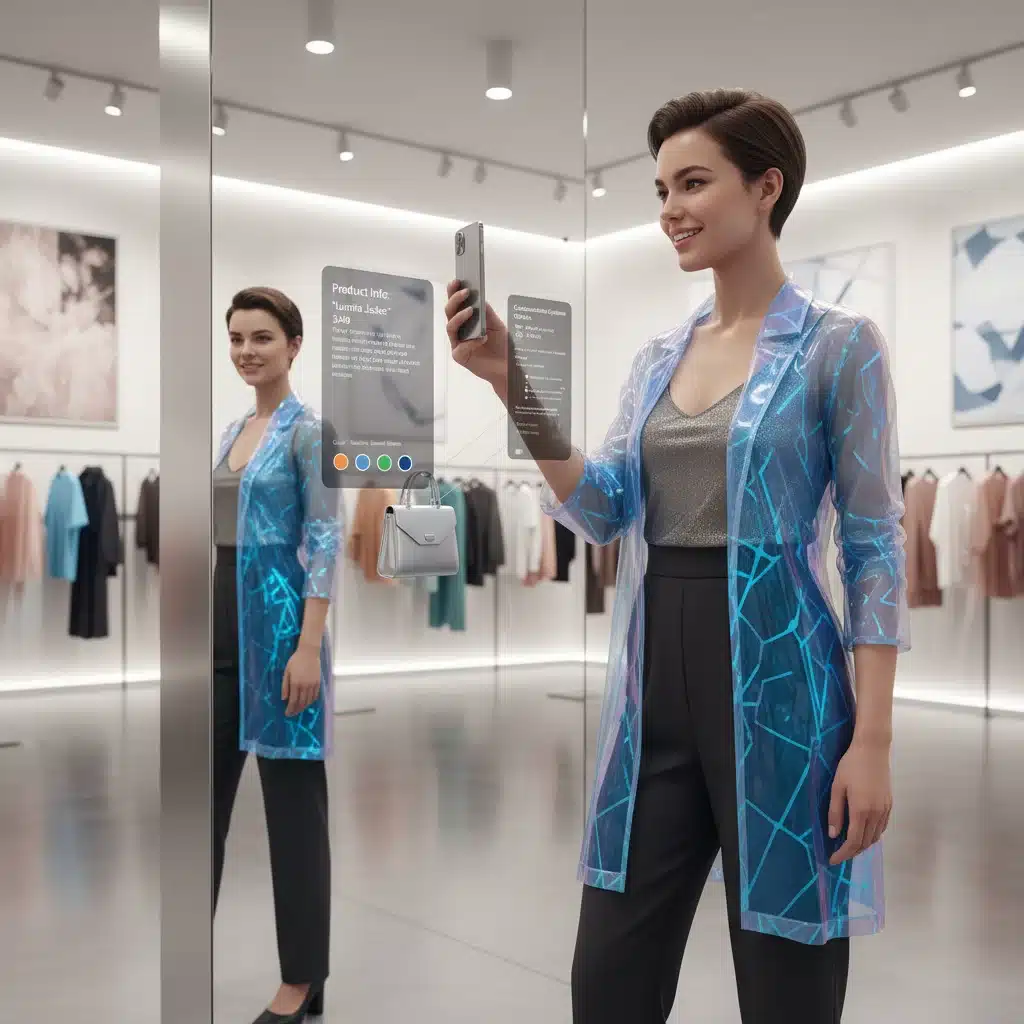
The Impact of Augmented Reality on Retail Sales: A 2026 Outlook and Case Studies (RECENT UPDATES)
The retail sector is in a constant state of evolution, driven by technological advancements and shifting consumer expectations. Among the myriad innovations reshaping how we shop, Augmented Reality (AR) stands out as a particularly powerful force. Far from being a mere gimmick, AR is proving to be a transformative technology that directly influences customer engagement, purchasing decisions, and, ultimately, AR retail sales. As we look towards 2026, the integration of AR into the retail experience is not just a trend; it’s a fundamental shift in strategy for businesses aiming to thrive in a competitive digital and physical landscape.
This comprehensive article will delve into the profound impact of Augmented Reality on retail sales, examining its current applications, forecasting its trajectory by 2026, and highlighting compelling case studies that demonstrate its real-world success. We will explore how AR enhances the customer journey, from product discovery and visualization to personalized recommendations and post-purchase support. Understanding these dynamics is crucial for any retailer looking to leverage cutting-edge technology to boost their bottom line and secure a significant market advantage.
What is Augmented Reality (AR) in Retail?
Before we dive into the sales impact, it’s essential to define what Augmented Reality means within the retail context. AR overlays digital information, such as images, videos, or 3D models, onto the real-world environment when viewed through a device like a smartphone, tablet, or smart glasses. Unlike Virtual Reality (VR), which creates an entirely immersive, artificial environment, AR enhances our perception of the real world by adding virtual elements. In retail, this translates to experiences like virtually trying on clothes, previewing furniture in one’s home, or accessing interactive product information in-store.
The core value proposition of AR in retail lies in its ability to bridge the gap between the digital and physical shopping experiences. It addresses common pain points for consumers, such as uncertainty about how a product will look or fit, and for retailers, such as high return rates and limited in-store product displays. By offering a more immersive and informative shopping journey, AR not only improves customer satisfaction but also directly contributes to increased AR retail sales.
Current Landscape: AR’s Foothold in Retail
Even today, AR is far from a nascent technology in retail. Many leading brands and innovative startups have already deployed AR solutions, demonstrating tangible benefits. These early adopters have paved the way, showcasing the versatility of AR across various retail segments:
- Fashion & Apparel: Virtual try-on features for clothing, glasses, and makeup.
- Home Furnishings: Visualizing furniture and decor in one’s own living space.
- Beauty: Digital try-on for cosmetics, allowing customers to experiment with different shades and products.
- Automotive: Interactive showrooms where customers can customize and explore vehicles.
- Jewelry: Virtually trying on rings, watches, and necklaces to see how they complement one’s appearance.
- Grocery & FMCG: Interactive product information, recipes, and loyalty program integration.
The success of these early implementations highlights a clear consumer appetite for AR-enhanced shopping. Reports from various market research firms consistently show that consumers are more likely to purchase from brands offering AR experiences, and return rates often decrease significantly. This positive feedback loop is a strong indicator of AR’s potential to drive substantial growth in AR retail sales.
The 2026 Outlook: Exponential Growth for AR Retail Sales
Looking ahead to 2026, the impact of Augmented Reality on retail sales is predicted to escalate dramatically. Several factors will contribute to this accelerated adoption and growth:
Technological Advancements and Accessibility
The continuous improvement of smartphone cameras, processing power, and 5G connectivity will make AR experiences smoother, more realistic, and accessible to a wider audience. Dedicated AR devices, such as lightweight smart glasses, while still in their infancy, are expected to become more sophisticated and consumer-friendly, further expanding the possibilities for immersive retail interactions. The development of more intuitive AR creation tools will also lower the barrier to entry for retailers, enabling even small and medium-sized businesses to integrate AR into their strategies.
Changing Consumer Behavior
The younger generations, particularly Gen Z and Alpha, are digital natives who expect seamless integration of technology into every aspect of their lives, including shopping. They are more open to new technologies and value interactive, personalized experiences. As these demographics gain more purchasing power, their preference for AR-enhanced shopping will undeniably fuel the growth of AR retail sales.
The Blurring Lines Between Online and Offline
The pandemic significantly accelerated the shift towards omnichannel retail. AR plays a crucial role in blurring the lines between online and offline shopping, offering the convenience of e-commerce with the immersive qualities of in-store experiences. Imagine browsing a product online, virtually placing it in your home, and then visiting a physical store to see a personalized AR display of the item, complete with reviews and complementary product suggestions. This integrated approach will be key to future retail success.
Data-Driven Personalization
AR generates a wealth of data on consumer preferences, interactions, and interests. This data can be leveraged to offer hyper-personalized recommendations, promotions, and experiences, further enhancing customer loyalty and driving repeat purchases. The ability to understand exactly what a customer is interested in, based on their AR interactions, will be invaluable for optimizing marketing and sales strategies, directly impacting AR retail sales.
Key Ways AR Boosts Retail Sales
The mechanisms through which AR drives sales are multifaceted and often interconnected. Here are the primary ways AR contributes to increased AR retail sales:
1. Enhanced Product Visualization and Confidence
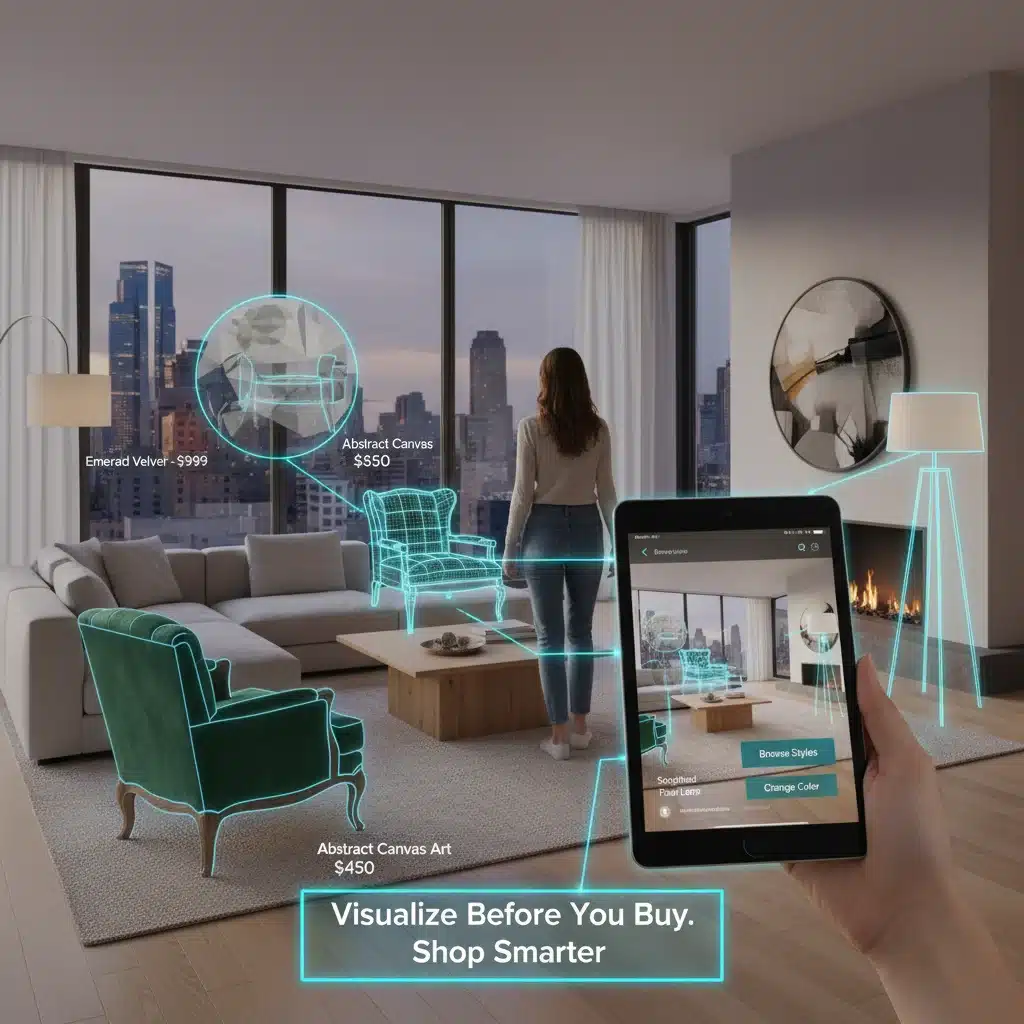
One of the biggest hurdles in online shopping is the inability to physically interact with a product. AR overcomes this by allowing customers to see how a product looks, fits, or functions in their own environment. Whether it’s trying on a pair of glasses virtually or placing a sofa in their living room, this enhanced visualization builds confidence in the purchase. Reduced uncertainty leads to higher conversion rates and fewer returns, both of which positively impact net sales.
2. Personalized Shopping Experiences
AR enables highly personalized interactions. A beauty app can recommend makeup shades based on a customer’s skin tone detected through AR. A clothing retailer can suggest outfits based on a virtual try-on. This level of personalization makes customers feel understood and valued, fostering a stronger connection with the brand and encouraging more frequent purchases. Personalized experiences are a significant driver of customer loyalty and increased basket size, directly boosting AR retail sales.
3. Increased Engagement and Dwell Time
Interactive AR experiences are inherently engaging. Customers spend more time exploring products when they can interact with them virtually, whether through an app or an in-store AR mirror. This increased dwell time not only strengthens brand recall but also increases the likelihood of discovering additional products and making a purchase. The novelty and utility of AR make shopping a more enjoyable and memorable experience.
4. Reduced Return Rates
High return rates are a significant drain on retail profits, especially in sectors like fashion and home goods. AR helps mitigate this by providing a more accurate representation of the product before purchase. When customers can virtually try on an item or place it in their home, they are better able to assess its suitability, leading to fewer post-purchase disappointments and, consequently, lower return rates. This directly translates to higher retained AR retail sales.
5. Bridging the Online-Offline Divide
AR seamlessly connects the digital and physical retail worlds. In-store AR applications can provide digital product information, reviews, and interactive demonstrations, enriching the physical shopping experience. Conversely, online AR tools bring elements of the physical store experience to the customer’s home. This omnichannel integration ensures a consistent and compelling brand experience across all touchpoints, which is vital for maximizing AR retail sales.
6. Competitive Differentiation and Brand Innovation
In a crowded marketplace, offering innovative AR experiences can set a brand apart. Customers are drawn to retailers who embrace new technologies and provide unique value. Being an early or effective adopter of AR can create significant buzz, attract new customers, and position the brand as a leader in innovation, all contributing to a stronger market position and increased AR retail sales.
Compelling Case Studies: AR Retail Sales in Action
To illustrate the tangible benefits of AR, let’s examine some real-world examples of how brands have successfully integrated this technology to boost their sales and enhance customer experiences.
IKEA Place: Revolutionizing Furniture Shopping
IKEA Place was one of the pioneering AR applications in retail. It allows users to virtually place 3D models of IKEA furniture in their own homes using their smartphone camera. This app addresses a major pain point for furniture shoppers: uncertainty about how an item will look and fit in their space. The results have been remarkable:
- Increased Confidence: Customers are more confident in their purchasing decisions, leading to higher conversion rates.
- Reduced Returns: By visualizing products accurately, customers are less likely to return items due to size or aesthetic incompatibility.
- Enhanced Engagement: The app has seen significant user engagement, with millions of virtual furniture placements.
IKEA Place demonstrates how practical utility combined with immersive technology can directly lead to increased AR retail sales and customer satisfaction.
Sephora Virtual Artist: Personalized Beauty at Your Fingertips
Sephora’s Virtual Artist app allows users to virtually try on thousands of makeup products, from lipstick shades to eyeshadows, using their phone’s front-facing camera. Customers can experiment with different looks without the need for physical testers, which is particularly relevant in a post-pandemic world.
- Higher Conversion: Users who engage with the Virtual Artist feature are significantly more likely to make a purchase.
- Personalized Recommendations: The app can suggest products based on virtual try-ons, leading to upselling opportunities.
- Convenience and Hygiene: Offers a sanitary and convenient way to test products, appealing to a broad customer base.
Sephora’s success with AR highlights its power in driving personalized discovery and boosting AR retail sales in the beauty sector.
Gucci’s AR Sneakers: Luxury Meets Digital Innovation
Luxury brand Gucci launched an AR feature allowing users to virtually try on its designer sneakers through its app. This initiative tapped into the desire for experiential shopping, even for high-end products. While the primary goal might be brand engagement, the ability to ‘wear’ a luxury item virtually creates a powerful emotional connection and a strong desire to own the physical product.
- Brand Hype and Engagement: Generated significant media attention and social media buzz.
- Enhanced Product Desire: Allowed customers to visualize themselves with the product, increasing purchase intent.
- Innovation Leader: Positioned Gucci as a forward-thinking luxury brand, attracting new, tech-savvy customers.
Gucci’s example illustrates how AR can be used not just for practical visualization but also for aspirational marketing, indirectly but powerfully influencing AR retail sales.
Challenges and Considerations for AR Adoption
While the benefits of AR in retail are compelling, its widespread adoption isn’t without challenges. Retailers must consider several factors to ensure successful implementation:
1. Quality of AR Experience
A poor or glitchy AR experience can do more harm than good. Retailers must invest in high-quality 3D models, accurate tracking, and seamless integration to provide a truly valuable experience. Low-fidelity AR can frustrate users and deter them from future engagement, negatively impacting potential AR retail sales.
2. Integration with Existing Systems
AR solutions need to integrate smoothly with existing e-commerce platforms, inventory management systems, and customer relationship management (CRM) tools. A fragmented technological ecosystem can hinder efficiency and data utilization.
3. Cost of Development and Maintenance
Developing sophisticated AR applications can be costly, especially for smaller retailers. However, as AR development tools become more accessible and standardized, these costs are expected to decrease, making it a more viable option for a broader range of businesses. The return on investment (ROI) in increased AR retail sales often justifies the initial outlay.
4. User Education and Adoption
While younger generations are quick to adopt new tech, some demographics may require more guidance on how to use AR features effectively. Clear instructions and intuitive design are crucial for maximizing user adoption.
5. Data Privacy and Security
AR applications often collect data about user environments and interactions. Retailers must ensure robust data privacy and security measures are in place, complying with regulations like GDPR and CCPA, to maintain customer trust.
The Future Beyond 2026: The Metaverse and Persistent AR
Beyond 2026, the evolution of AR in retail is likely to converge with broader technological trends, particularly the development of the metaverse. While the metaverse is still an evolving concept, it envisions persistent, interconnected virtual worlds where users can interact, shop, and socialize. AR will be a key interface for bridging the physical world with these digital realms.
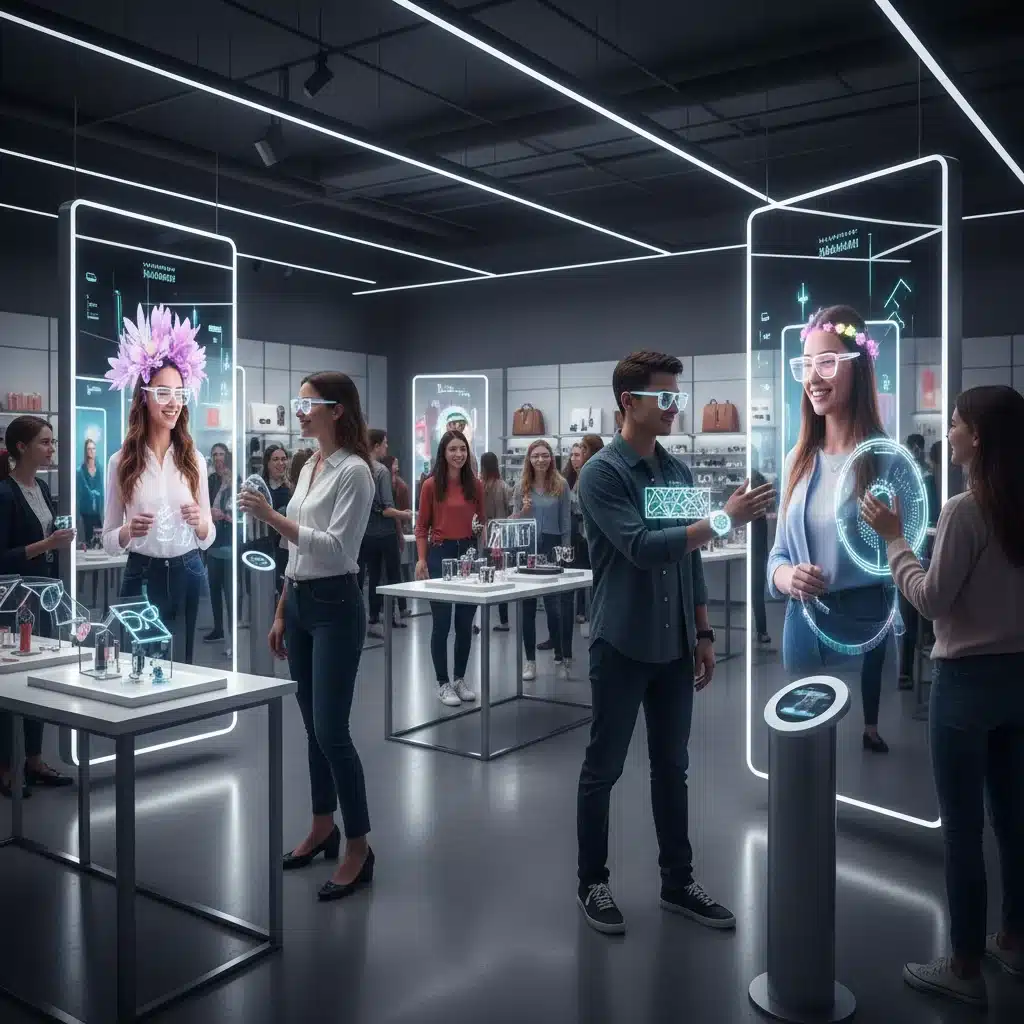
Imagine a future where you walk into a physical store, and your smart glasses overlay personalized information, virtual products, and even avatars of friends who have recommended items. Or, from your home, you can enter a virtual replica of a flagship store, interacting with AR-enhanced products that you can then have delivered to your doorstep. This level of seamless integration will redefine the shopping experience and unlock unprecedented opportunities for AR retail sales.
Persistent AR, where digital objects remain anchored in the real world for multiple users and over time, will also open new avenues. Retailers could create immersive brand experiences in public spaces or even in customers’ homes, offering interactive advertisements, treasure hunts for virtual goods, or dynamic product information that evolves with user interaction. The possibilities for engaging customers and driving sales through these advanced AR applications are vast and exciting.
Strategies for Retailers to Embrace AR for Sales Growth
For retailers looking to capitalize on the growing influence of AR, here are actionable strategies:
- Start Small, Think Big: Begin with a specific AR feature that addresses a clear customer pain point (e.g., virtual try-on for a popular product category). Gather data, refine the experience, and then scale up.
- Focus on User Experience (UX): An intuitive, high-quality AR experience is paramount. Invest in realistic 3D models and smooth performance.
- Integrate with Existing Channels: Ensure your AR solution works seamlessly with your e-commerce website, mobile app, and in-store displays.
- Educate Your Customers: Provide clear instructions and demonstrate the benefits of using AR features. Promote your AR capabilities through marketing channels.
- Leverage Data: Analyze how customers interact with your AR experiences to gain insights into preferences, optimize product offerings, and personalize future interactions.
- Stay Updated: The AR landscape is evolving rapidly. Keep an eye on new technologies and trends, such as advancements in smart glasses and spatial computing, to remain competitive and continue boosting AR retail sales.
- Consider Partnerships: Collaborate with AR development agencies or technology providers to leverage their expertise and accelerate your AR implementation.
- Measure ROI: Clearly define metrics for success (e.g., conversion rates, return rates, average order value for AR users) and track the ROI of your AR investments to justify further development.
Conclusion: AR as a Cornerstone of Future Retail Success
The trajectory of Augmented Reality in retail is undeniably upward. By 2026, AR will no longer be a novelty but a fundamental component of a compelling retail strategy. Its ability to enhance product visualization, personalize shopping journeys, increase customer engagement, and reduce returns makes it an indispensable tool for driving AR retail sales and fostering brand loyalty.
Retailers who embrace AR now, understand its nuances, and strategically integrate it into their operations will be well-positioned to capture a larger share of the evolving market. Those who hesitate risk being left behind in a landscape increasingly defined by immersive, interactive, and intelligent shopping experiences. The future of retail is augmented, and the brands that harness its power will be the ones that thrive.
The journey towards a fully augmented retail experience is ongoing, but the path is clear: AR is not just changing how we shop; it’s redefining the very essence of retail, promising a future of unprecedented growth and innovation.