Gen Z Brand Loyalty: 5 Tactics for 10% Higher Retention by 2026

Navigating Gen Z Brand Loyalty: 5 Key Tactics for 2026 to Secure a 10% Higher Retention Rate
The consumer landscape is constantly evolving, and at its heart, a new powerhouse generation is redefining what it means to be a loyal customer: Generation Z. Born roughly between 1997 and 2012, Gen Z represents a demographic that is digitally native, socially conscious, and incredibly discerning. For businesses looking to thrive in the coming years, understanding and cultivating Gen Z brand loyalty isn’t just an option; it’s a strategic imperative. By 2026, companies that successfully implement tailored strategies could see a 10% or higher increase in their retention rates from this influential group. This article will delve into five critical tactics designed to capture and sustain the loyalty of Gen Z, ensuring your brand resonates deeply with this future-forward consumer base.
The traditional pillars of brand loyalty, often built on price and convenience, still hold some sway, but Gen Z introduces a new layer of complexity. This generation values authenticity, ethical practices, social impact, and personalized experiences above almost all else. They are not passive consumers; they are active participants, co-creators, and vocal advocates (or critics). Ignoring their unique characteristics is a perilous path for any brand aiming for long-term success. Instead, embracing their values and adapting your engagement strategies can unlock unprecedented levels of devotion.
Our focus here isn’t just on attracting new Gen Z customers, but on building enduring relationships that translate into sustained purchasing power and advocacy. A 10% increase in retention might sound ambitious, but with the right approach, it’s an entirely achievable goal. This isn’t about fleeting trends; it’s about fundamental shifts in consumer behavior that require a holistic and genuine response from brands. Let’s explore the actionable insights that will help you forge unbreakable bonds with Gen Z.
1. Embrace Radical Transparency and Authenticity
For Gen Z, authenticity isn’t a buzzword; it’s a non-negotiable expectation. This generation has grown up in a world saturated with information, often able to sniff out inauthenticity from a mile away. They crave realness, integrity, and a clear understanding of a brand’s values and operations. To build Gen Z brand loyalty, your brand must be radically transparent in all its dealings.
What Does Radical Transparency Mean?
It means being open about your supply chain, your labor practices, your environmental impact, and even your mistakes. Gen Z wants to know where their products come from, who made them, and under what conditions. They are highly attuned to greenwashing and performative activism. A brand that claims to be sustainable but uses unethical manufacturing processes will quickly lose their trust.
Authenticity also extends to your brand’s voice and messaging. Gen Z prefers genuine, relatable content over polished, corporate jargon. They respond well to brands that show their human side, admit imperfections, and engage in two-way conversations. This isn’t about being perfect; it’s about being honest and accountable.
Actionable Steps for Transparency and Authenticity:
- Share Your Story: Beyond just your mission statement, tell the authentic story of your brand’s origins, challenges, and values. Use behind-the-scenes content to show the real people and processes behind your products or services.
- Supply Chain Visibility: Implement and communicate clear, traceable supply chain practices. Consider certifications that validate your ethical and sustainable claims.
- Admit Mistakes: When things go wrong, acknowledge them promptly and transparently. Explain what happened and what steps you’re taking to rectify the situation. This builds trust, as Gen Z respects honesty more than feigned perfection.
- Engage Genuinely: Respond to comments, feedback, and criticisms on social media and other platforms with genuine empathy and a desire to understand, not just to defend.
- Partner with Authentic Influencers: Instead of mega-influencers, consider micro- and nano-influencers who genuinely love your product and align with your brand’s values. Gen Z values peer recommendations and authentic endorsements over celebrity advertisements.
Brands like Patagonia have built a cult-like following among conscious consumers, including Gen Z, by embodying radical transparency in their environmental efforts and product durability. They don’t just sell outdoor gear; they sell a commitment to the planet, and Gen Z responds to that integrity. This deep connection fosters unwavering Gen Z brand loyalty.
2. Champion Social and Environmental Impact
Gen Z is arguably the most socially and environmentally conscious generation to date. They have grown up witnessing global challenges like climate change, social inequality, and political unrest. Consequently, they expect the brands they support to not just acknowledge these issues but actively contribute to solutions. A brand’s purpose beyond profit is a significant driver of Gen Z brand loyalty.
Purpose-Driven Consumption
This generation views their purchasing power as a vote for the kind of world they want to live in. They are willing to pay a premium for products from brands that align with their values. This isn’t just about philanthropy; it’s about embedding social and environmental responsibility into the core of your business model.
They are looking for brands that take a stand on important issues, advocate for change, and demonstrate measurable positive impact. Brands that donate a percentage of profits are good, but brands that integrate ethical sourcing, sustainable production, and fair labor practices into their DNA are even better.
Actionable Steps for Social and Environmental Impact:
- Define Your Purpose: Clearly articulate your brand’s social and environmental mission. It should be more than just a statement; it should guide your operations and decision-making.
- Integrate Sustainability: Adopt sustainable practices throughout your supply chain, from sourcing raw materials to packaging and waste management. Communicate these efforts transparently.
- Support Causes: Partner with charities or non-profits that align with your brand’s values and Gen Z’s concerns. Go beyond financial donations by involving your employees and customers in these initiatives.
- Advocate for Change: Use your brand’s platform to speak out on social and environmental issues. This could involve advocating for policy changes, raising awareness, or supporting community-led initiatives.
- Measure and Report Impact: Don’t just make claims; provide data and reports on your social and environmental impact. Gen Z appreciates quantifiable evidence of your efforts.
Brands like TOMS, with its ‘One for One’ model, and Allbirds, with its focus on sustainable materials, have successfully tapped into this desire for purpose-driven consumption, building strong Gen Z brand loyalty. Their customers feel good about their purchases because they know they are contributing to something bigger than themselves.
3. Foster Community and Co-Creation
Gen Z thrives on connection and collaboration. As digital natives, they are accustomed to interacting with brands and each other online. They don’t just want to consume; they want to participate, contribute, and feel like they belong to something bigger. Fostering a sense of community and offering opportunities for co-creation are powerful ways to build Gen Z brand loyalty.
From Consumers to Community Members
This generation values brands that listen to their feedback, incorporate their ideas, and make them feel like an integral part of the brand’s journey. They are keen to share their opinions, create content, and even influence product development. Brands that treat their customers as passive recipients of marketing messages will struggle to connect.
Online communities, social media groups, and user-generated content platforms are excellent avenues for building this sense of belonging. The key is to create spaces where Gen Z can interact not only with the brand but also with each other, sharing experiences, tips, and passion for the brand’s offerings.

Actionable Steps for Community and Co-Creation:
- Build Online Communities: Create dedicated online forums, Discord servers, or private social media groups where Gen Z customers can connect, share, and discuss.
- Encourage User-Generated Content (UGC): Run campaigns that invite customers to share their experiences, reviews, and creative content related to your products. Feature their content prominently on your channels.
- Involve Them in Product Development: Solicit feedback on new product ideas, features, or designs. Conduct polls, surveys, and even focus groups with Gen Z customers to make them feel heard and valued.
- Host Interactive Events: Organize virtual workshops, Q&A sessions with brand representatives, or live streaming events that allow for real-time interaction and community building.
- Create Brand Ambassadors: Identify and empower loyal Gen Z customers to become brand ambassadors, giving them exclusive access, early product previews, and opportunities to represent your brand.
Gaming communities are a prime example of how powerful co-creation and community can be. Brands like Roblox or Fortnite thrive on user-generated content and strong player communities, demonstrating unparalleled Gen Z brand loyalty by making their users feel like creators, not just consumers. This participatory approach transforms customers into advocates.
4. Deliver Hyper-Personalized Experiences
Growing up with algorithms that tailor their digital world, Gen Z expects personalization. They are accustomed to receiving recommendations, content, and offers that are highly relevant to their individual preferences and behaviors. Generic marketing messages are easily ignored; truly personalized experiences are what drive Gen Z brand loyalty.
Beyond Basic Personalization
This goes beyond simply addressing them by name in an email. Hyper-personalization involves understanding their past purchases, browsing history, stated preferences, and even their values to deliver a bespoke brand experience. It means showing them products they’re genuinely interested in, offering promotions relevant to their lifestyle, and communicating with them on their preferred channels at the right time.
Data privacy is also a significant concern for Gen Z. While they appreciate personalization, they also demand transparency about how their data is collected and used. Brands must strike a balance, offering personalized experiences while respecting privacy and providing clear opt-out options.
Actionable Steps for Hyper-Personalized Experiences:
- Leverage Data Analytics: Invest in robust data analytics tools to understand individual customer behaviors, preferences, and demographics.
- Personalized Product Recommendations: Implement AI-driven recommendation engines on your website and app, offering products that align with their tastes and past interactions.
- Tailored Content and Communication: Segment your audience and deliver personalized content, emails, and social media ads. Use dynamic content that changes based on user data.
- Offer Customized Products/Services: Explore options for product customization or service personalization that allow Gen Z to make a product uniquely their own.
- Omnichannel Personalization: Ensure that personalized experiences are consistent across all touchpoints, whether it’s your website, mobile app, email, social media, or even in-store interactions.
- Be Transparent About Data Use: Clearly communicate your data privacy policies and give users control over their data and preferences.
Streaming services like Netflix and Spotify are masters of personalization, continually refining their algorithms to offer content that perfectly matches individual tastes. This level of tailored experience creates a sense of being understood and catered to, fostering strong Gen Z brand loyalty and making it difficult for them to switch to competitors.
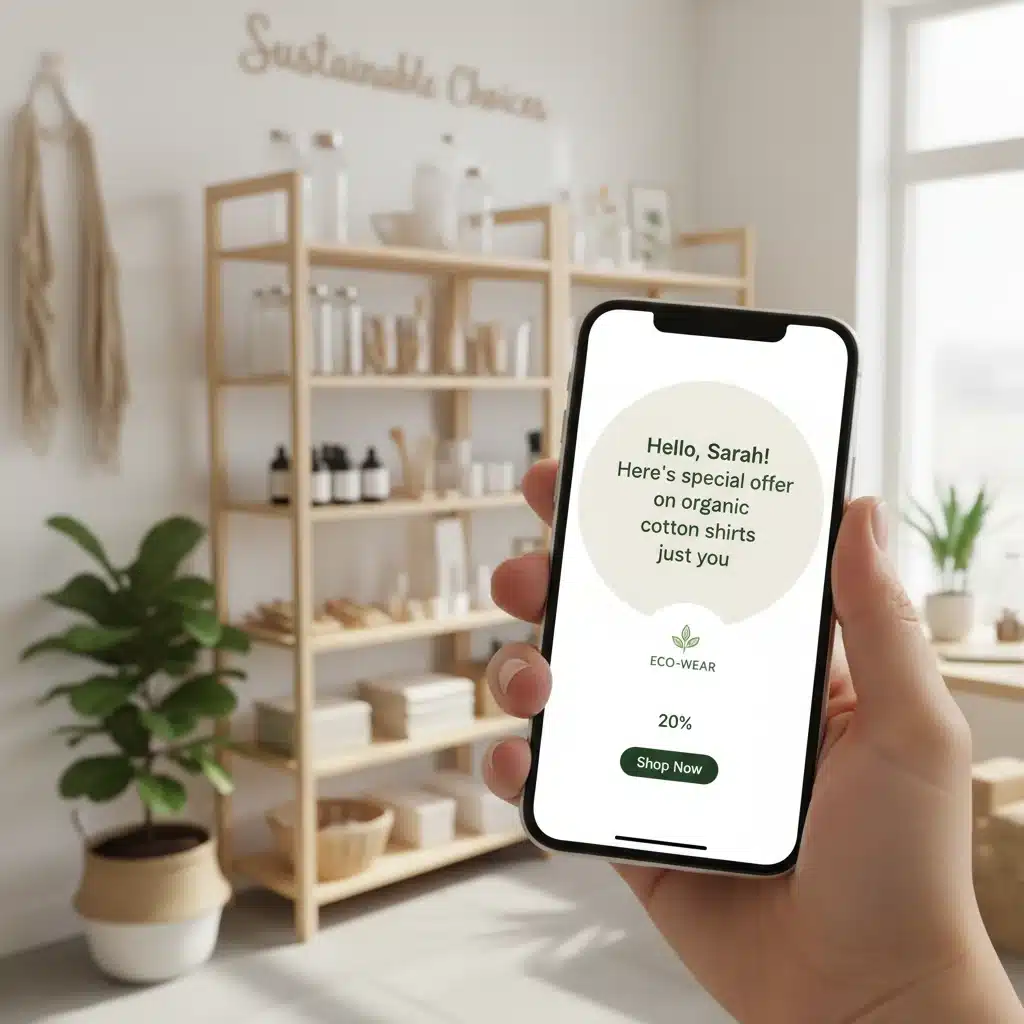
5. Prioritize Digital-First, Mobile-Optimized Experiences
Gen Z are true digital natives. They’ve never known a world without the internet or smartphones. Their primary mode of interaction, communication, and consumption is digital, with a strong preference for mobile devices. Any brand strategy aiming for Gen Z brand loyalty must prioritize seamless, intuitive, and engaging digital-first, mobile-optimized experiences.
Beyond a Mobile-Friendly Website
This isn’t just about having a responsive website. It’s about designing every interaction with a mobile-first mindset. This includes intuitive apps, engaging social media presence (especially on platforms like TikTok and Instagram), smooth checkout processes, and responsive customer service channels that operate where Gen Z spends their time online.
They expect speed, efficiency, and a frictionless user experience. Slow loading times, clunky interfaces, or difficult navigation are immediate turn-offs. They are also adept at using various digital tools, from payment apps to augmented reality (AR) filters, and expect brands to integrate these technologies thoughtfully.
Actionable Steps for Digital-First, Mobile-Optimized Experiences:
- Mobile-First Design: Ensure all your digital assets, from websites to emails, are designed with mobile responsiveness and usability as the top priority.
- Invest in a Seamless App Experience: If applicable, develop a user-friendly mobile app that offers unique features and a superior experience compared to your mobile website.
- Master Social Media Platforms: Be active and authentic on platforms where Gen Z congregates. This means creating engaging, platform-specific content for TikTok, Instagram Reels, YouTube Shorts, etc.
- Streamlined Digital Transactions: Optimize your online checkout process for speed and simplicity. Offer diverse payment options, including mobile wallets.
- Digital Customer Service: Provide customer support through channels like live chat, social media DMs, and messaging apps, offering quick and efficient resolutions.
- Explore Emerging Technologies: Experiment with AR/VR for product visualization, virtual try-ons, or interactive experiences that appeal to Gen Z’s tech-savviness.
Brands like SHEIN, despite controversies, have mastered the art of digital-first engagement with Gen Z through hyper-fast fashion cycles, gamified shopping experiences, and extensive use of social media influencers. Their ability to deliver a highly optimized and engaging mobile shopping journey contributes significantly to their massive Gen Z brand loyalty, proving the power of digital fluency.
Conclusion: Securing the Future of Your Brand with Gen Z Loyalty
Cultivating Gen Z brand loyalty is not a fleeting trend; it’s an investment in the long-term viability and success of your business. This generation, with its immense purchasing power and influence, is reshaping the rules of engagement. By understanding their core values – authenticity, social consciousness, community, personalization, and digital fluency – brands can build connections that transcend transactional relationships and foster deep, enduring loyalty.
The journey to securing a 10% higher retention rate from Gen Z by 2026 requires a proactive, adaptive, and genuine approach. It demands that brands look inward, assessing their values, operations, and communication strategies to ensure they align with what this discerning demographic truly cares about. It means moving beyond superficial marketing tactics and embracing a holistic strategy that integrates purpose, transparency, and engagement into every facet of the brand experience.
The five tactics outlined above – radical transparency and authenticity, championing social and environmental impact, fostering community and co-creation, delivering hyper-personalized experiences, and prioritizing digital-first, mobile-optimized experiences – are not isolated strategies. They are interconnected pillars that, when combined, create a powerful framework for attracting and retaining Gen Z customers. Brands that successfully implement these principles will not only achieve their retention goals but will also establish themselves as leaders in a new era of conscious, connected commerce.
The future of your brand depends on your ability to connect with the consumers of tomorrow, and Gen Z is undeniably at the forefront of that future. Start implementing these strategies today, and watch your Gen Z brand loyalty flourish, driving sustainable growth and success for years to come.