Sustainable Business Practices: 2026 Blueprint for US Manufacturers
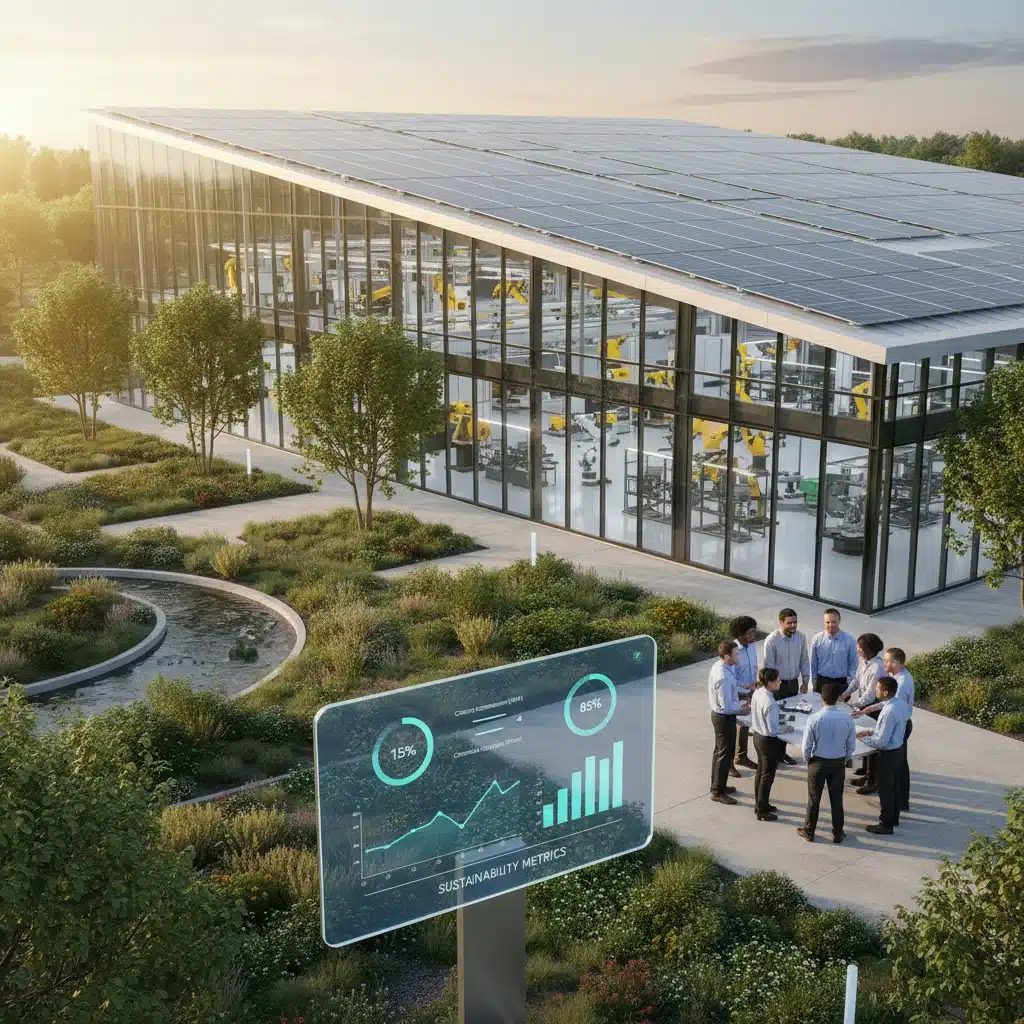
The manufacturing landscape is undergoing a profound transformation, driven by increasing consumer demand for ethical products, stringent environmental regulations, and the undeniable imperative to address climate change. For US manufacturers, 2026 is not just another year; it represents a critical juncture for embedding sustainable business practices into the very core of their operations. This comprehensive blueprint outlines the strategic imperatives, practical steps, and long-term benefits of embracing sustainability, ensuring resilience, innovation, and profitability in a rapidly evolving global economy.
The Imperative for Sustainable Manufacturing 2026
In an era defined by environmental consciousness and social responsibility, the adoption of sustainable manufacturing 2026 practices is no longer a mere option but a strategic necessity. US manufacturers face mounting pressure from various stakeholders, including investors, consumers, employees, and regulatory bodies, to demonstrate their commitment to environmental, social, and governance (ESG) principles. Companies that proactively integrate sustainability into their operational models are better positioned to mitigate risks, enhance brand reputation, attract top talent, and unlock new market opportunities.
Understanding the Pillars of Sustainable Business Practices
A robust sustainable manufacturing 2026 strategy is built upon several interconnected pillars. These include:
- Environmental Stewardship: Focusing on minimizing ecological footprint through reduced resource consumption, waste generation, emissions, and pollution. This encompasses energy efficiency, renewable energy adoption, water conservation, and responsible waste management.
- Social Responsibility: Ensuring ethical labor practices, fair wages, safe working conditions, diversity and inclusion, and positive community engagement. It extends to the entire supply chain, promoting human rights and equitable treatment.
- Economic Viability: Demonstrating that sustainability initiatives contribute to long-term financial performance. This involves cost savings from efficiency gains, increased market share due to consumer preference, enhanced investor confidence, and reduced regulatory fines.
- Governance and Transparency: Establishing clear structures, policies, and reporting mechanisms to ensure accountability and ethical decision-making regarding ESG performance. Transparent reporting builds trust and credibility with stakeholders.
Strategic Advantages of Embracing Sustainable Manufacturing 2026
Beyond ethical considerations, integrating sustainable manufacturing 2026 practices offers tangible competitive advantages:
Enhanced Brand Reputation and Customer Loyalty
Today’s consumers are increasingly discerning, favoring brands that align with their values. A strong commitment to sustainability can significantly boost brand perception, fostering greater trust and loyalty among customers. This translates into increased sales and a stronger market position for US manufacturers.
Operational Cost Savings and Efficiency Gains
Sustainability often goes hand-in-hand with efficiency. Investing in energy-efficient machinery, optimizing production processes, and minimizing waste directly reduce operational costs. For instance, implementing advanced waste heat recovery systems or optimizing water usage can lead to substantial financial savings over time, directly impacting the bottom line of sustainable manufacturing 2026 efforts.
Improved Access to Capital and Investor Relations
ESG investing has surged, with a growing number of investors prioritizing companies with strong sustainability credentials. Manufacturers demonstrating robust ESG performance often find it easier to attract capital, secure favorable loan terms, and engage positively with investors who view sustainability as an indicator of long-term stability and responsible management.
Attracting and Retaining Top Talent
A workforce that values purpose and social impact is increasingly drawn to companies with strong sustainability commitments. By fostering a culture of sustainability, US manufacturers can attract and retain skilled employees, reduce turnover, and enhance overall productivity. This is a crucial element for any sustainable manufacturing 2026 strategy.
Risk Mitigation and Regulatory Compliance
Proactive engagement with sustainability helps manufacturers anticipate and comply with evolving environmental regulations, avoiding potential fines, legal challenges, and reputational damage. It also builds resilience against supply chain disruptions and resource scarcity, common risks in today’s global economy.
The 2026 Operational Blueprint: Key Action Areas for US Manufacturers
Developing a comprehensive sustainable manufacturing 2026 blueprint requires a multi-faceted approach, addressing various aspects of operations and supply chain management.
1. Energy Transition and Efficiency
The cornerstone of environmental sustainability in manufacturing is a commitment to reducing energy consumption and transitioning to renewable sources. By 2026, US manufacturers should aim to:
- Conduct comprehensive energy audits: Identify areas of high consumption and inefficiency across all facilities.
- Invest in energy-efficient technologies: Upgrade to high-efficiency machinery, motors, lighting (LED), and HVAC systems.
- Integrate renewable energy sources: Explore on-site solar, wind, or geothermal power generation. Purchase renewable energy credits (RECs) or enter into power purchase agreements (PPAs) for off-site renewable energy.
- Implement smart energy management systems: Utilize IoT and AI to monitor, analyze, and optimize energy usage in real-time.
- Optimize production schedules: Shift energy-intensive processes to off-peak hours where possible to reduce costs and grid strain.
2. Circular Economy Principles and Waste Reduction
Moving away from a linear ‘take-make-dispose’ model, the circular economy is central to sustainable manufacturing 2026. This involves designing products for longevity, reusability, and recyclability, and minimizing waste throughout the entire product lifecycle.
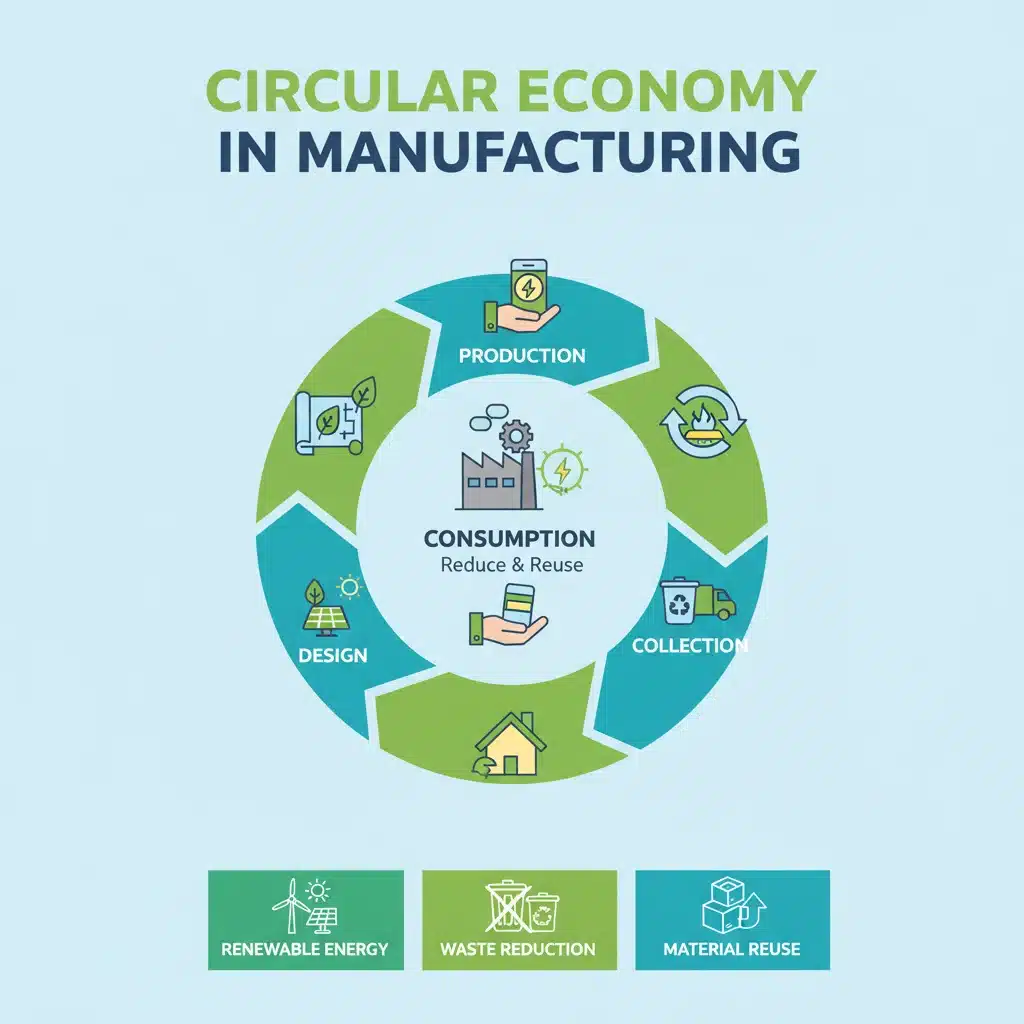
- Product Design for Sustainability (Eco-design): Design products with fewer materials, increased durability, easier repairability, and higher recyclability. Consider modular designs for easier component replacement.
- Material Selection: Prioritize recycled, renewable, and non-toxic materials. Explore bio-based alternatives and materials with lower embodied energy.
- Waste Stream Mapping and Diversion: Identify all waste streams and implement strategies for reduction, reuse, and recycling. Aim for zero-waste-to-landfill targets.
- Industrial Symbiosis: Collaborate with other industries to turn waste products from one process into valuable inputs for another.
- Reverse Logistics and Take-back Programs: Establish systems for collecting end-of-life products from consumers for repair, refurbishment, or recycling.
3. Sustainable Supply Chain Management
A manufacturer’s environmental and social impact extends far beyond its factory gates. A truly sustainable manufacturing 2026 approach requires scrutinizing and transforming the entire supply chain.
- Supplier Vetting and Engagement: Establish clear sustainability criteria for suppliers, including environmental performance, labor practices, and ethical sourcing. Conduct regular audits and provide support for improvement.
- Supply Chain Transparency: Implement technologies like blockchain to track materials from origin to final product, ensuring ethical sourcing and environmental compliance.
- Logistics Optimization: Reduce transportation emissions through route optimization, modal shifts (e.g., rail instead of road), and investing in lower-emission fleets.
- Local Sourcing: Prioritize local or regional suppliers to reduce transportation distances and support local economies, contributing to the broader sustainable manufacturing 2026 goals.
- Risk Assessment: Identify and mitigate environmental and social risks within the supply chain, such as deforestation, water scarcity, or human rights abuses.
4. Water Stewardship
Water is a finite and increasingly precious resource. US manufacturers must adopt robust water stewardship practices:
- Water Footprint Assessment: Measure and understand water consumption across all operations.
- Water Reduction Strategies: Implement technologies and processes to minimize water usage, such as closed-loop systems for process water.
- Wastewater Treatment and Reuse: Treat wastewater to a high standard, allowing for reuse in industrial processes or safe discharge.
- Stormwater Management: Implement practices to manage stormwater runoff, preventing pollution and replenishing groundwater.
- Community Engagement: Collaborate with local communities and stakeholders on water resource management, especially in water-stressed regions.
5. Employee Engagement and Social Impact
The human element is vital for successful sustainable manufacturing 2026 initiatives. Engaged employees are more likely to embrace and drive sustainability efforts.
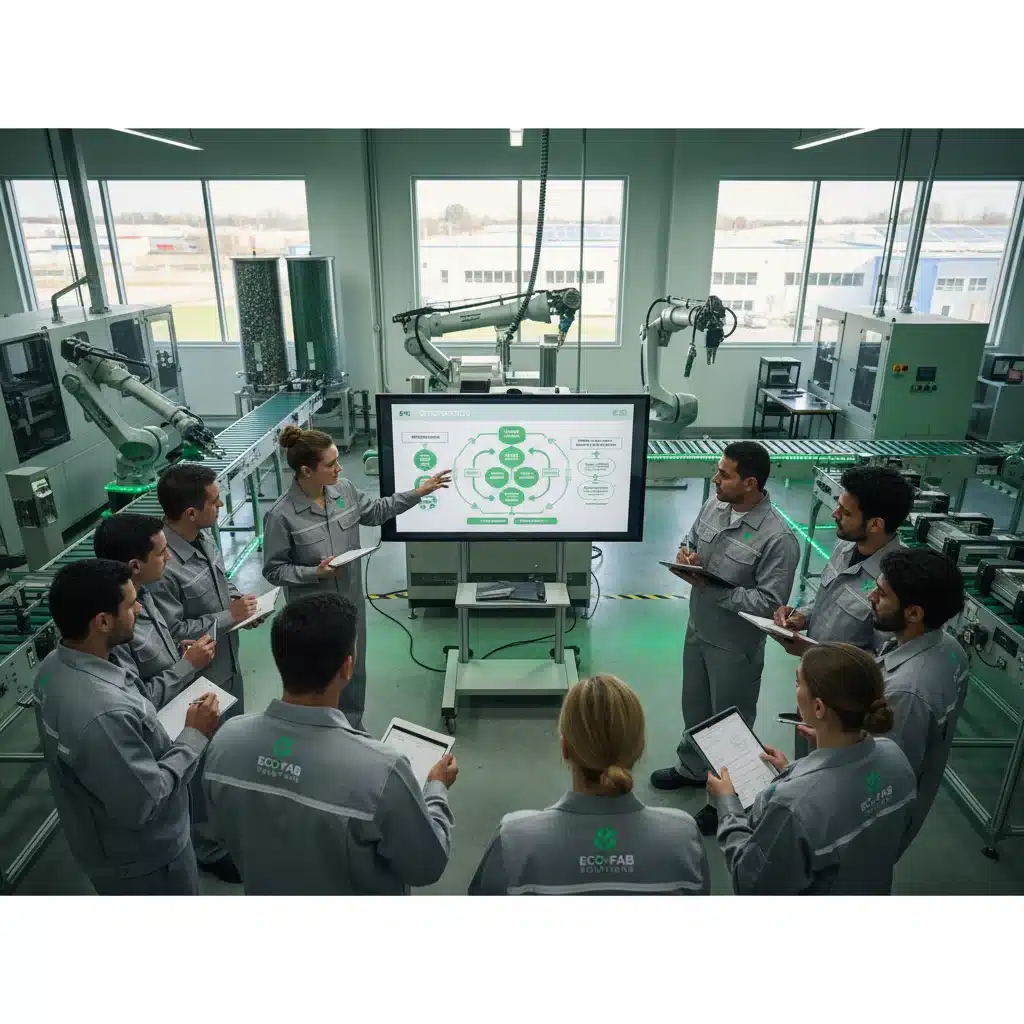
- Training and Education: Provide continuous training on sustainable practices, environmental awareness, and safety protocols for all employees.
- Employee Wellness Programs: Foster a healthy and supportive work environment, promoting physical and mental well-being.
- Diversity, Equity, and Inclusion (DEI): Implement strong DEI policies to ensure a fair and inclusive workplace culture.
- Community Investment: Engage in local community development programs, educational initiatives, and philanthropic activities.
- Stakeholder Dialogue: Establish open communication channels with employees, local communities, and other stakeholders to gather feedback and build consensus.
6. Digital Transformation for Sustainability
Technology plays a crucial role in enabling and accelerating sustainable manufacturing 2026 goals.
- IoT and Sensors: Deploy sensors across facilities to monitor resource consumption (energy, water), emissions, and waste generation in real-time, providing actionable data.
- Artificial Intelligence (AI) and Machine Learning (ML): Utilize AI/ML for predictive maintenance (reducing equipment failure and waste), optimizing production processes for efficiency, and forecasting resource demand.
- Digital Twins: Create virtual models of physical assets and processes to simulate and optimize sustainable interventions before physical implementation.
- Blockchain Technology: Enhance supply chain transparency, verify ethical sourcing, and track sustainable product attributes.
- Data Analytics and Reporting: Implement robust analytics platforms to collect, analyze, and report on ESG performance metrics, ensuring compliance and informing strategic decisions for sustainable manufacturing 2026.
Implementing the Blueprint: A Phased Approach
Successfully integrating sustainable manufacturing 2026 practices requires a structured, phased approach:
- Phase 1: Assessment and Goal Setting (Now – Q4 2024)
- Conduct a comprehensive baseline assessment of current environmental footprint, social impact, and governance structures.
- Identify key material issues through stakeholder engagement.
- Define measurable, time-bound sustainability goals (e.g., X% reduction in emissions by 2026).
- Establish a dedicated sustainability task force or committee.
- Phase 2: Strategy Development and Pilot Programs (Q1 2025 – Q4 2025)
- Develop a detailed sustainability strategy aligned with business objectives.
- Prioritize initiatives based on impact, feasibility, and cost-effectiveness.
- Launch pilot programs for key initiatives (e.g., a specific energy efficiency project, a waste reduction program).
- Invest in necessary technology and infrastructure upgrades.
- Phase 3: Integration and Scalability (Q1 2026 Onwards)
- Integrate successful pilot programs across all relevant operations.
- Embed sustainability metrics into performance reviews and incentive structures.
- Continuously monitor progress against goals, using data to inform adjustments.
- Expand sustainable practices to encompass the entire supply chain.
- Communicate progress transparently through annual sustainability reports.
Challenges and Mitigation Strategies for Sustainable Manufacturing 2026
While the benefits are clear, implementing sustainable manufacturing 2026 practices comes with its challenges:
Initial Investment Costs
Challenge: Significant upfront capital may be required for new technologies, infrastructure, and process changes.
Mitigation: Explore government incentives, grants, green financing options, and tax credits. Highlight long-term ROI and cost savings to justify investments. Phased implementation can also spread costs.
Lack of Expertise and Training
Challenge: Employees may lack the necessary skills or understanding of sustainable practices.
Mitigation: Invest in comprehensive training programs for all levels of staff. Partner with academic institutions or sustainability consultants to build in-house expertise. Foster a culture of continuous learning and innovation.
Supply Chain Complexity
Challenge: Ensuring sustainability across a complex global supply chain can be daunting.
Mitigation: Start with critical tier-one suppliers and gradually expand. Implement robust supplier codes of conduct and conduct regular audits. Leverage technology for greater transparency and data sharing. Collaborate with suppliers to co-create sustainable solutions.
Resistance to Change
Challenge: Employees and management may resist new processes or investments.
Mitigation: Secure strong leadership commitment and communicate the vision and benefits of sustainability clearly. Involve employees in decision-making processes. Celebrate successes and recognize contributions to foster buy-in.
Measuring and Reporting Impact
Challenge: Accurately measuring and reporting ESG performance can be complex.
Mitigation: Adopt recognized reporting frameworks (e.g., GRI, SASB, TCFD). Invest in robust data collection and analytics tools. Consider third-party verification of sustainability reports to enhance credibility.
The Role of Government and Policy in Sustainable Manufacturing 2026
Government policies and incentives play a crucial role in accelerating the adoption of sustainable manufacturing 2026 practices. US manufacturers should stay informed about and leverage:
- Tax Credits and Rebates: For investments in renewable energy, energy efficiency, and sustainable technologies.
- Grants and Funding Programs: For research and development of green technologies and sustainable process innovation.
- Regulatory Frameworks: Clear and consistent environmental regulations that provide a level playing field and encourage sustainable practices.
- Public Procurement Policies: Government agencies prioritizing sustainable products and services can create significant market demand.
- Infrastructure Investments: Support for sustainable transportation, recycling infrastructure, and renewable energy grids.
Conclusion: A Resilient and Responsible Future for US Manufacturing
The journey towards sustainable manufacturing 2026 is not merely about compliance; it is about building a more resilient, innovative, and responsible future for US manufacturers. By proactively integrating environmental stewardship, social responsibility, and robust governance into their operational blueprint, companies can unlock significant economic value, enhance their competitive edge, and contribute positively to a global sustainable economy.
The time to act is now. Manufacturers who embrace this transformation will not only meet the demands of 2026 but will also thrive in the decades to come, leading the way towards a more sustainable industrial future.