Sustainable Retail Practices: Cut Costs & Boost Profits by 8% in US Businesses by 2026

In an era defined by increasing environmental awareness and economic pressures, US retail businesses face a dual challenge: meeting consumer demand while simultaneously reducing their ecological footprint and operational expenditures. The good news? These two objectives are not mutually exclusive. In fact, embracing sustainable retail practices offers a powerful pathway for businesses to not only contribute positively to the planet but also to significantly bolster their bottom line. Projections suggest that by strategically implementing eco-friendly solutions, US retailers could realistically achieve an 8% reduction in operational costs by 2026, marking a substantial competitive advantage.
This comprehensive guide delves into the transformative potential of sustainable retail practices, providing actionable strategies and insights for US businesses looking to optimize their operations, enhance their brand image, and secure long-term financial viability. From energy efficiency to supply chain transparency, we will explore how a commitment to sustainability can translate into tangible economic benefits, paving the way for a greener, more profitable future.
The Imperative of Sustainable Retail Practices: More Than Just a Trend
Sustainability is no longer a niche concern; it’s a mainstream expectation. Consumers, particularly younger demographics, are increasingly making purchasing decisions based on a brand’s environmental and social responsibility. A 2023 study found that 70% of consumers are willing to pay more for sustainable brands. Beyond consumer sentiment, regulatory pressures are mounting, and investors are scrutinizing ESG (Environmental, Social, and Governance) performance more closely than ever before. For US retail businesses, ignoring the sustainability imperative is to risk obsolescence.
However, the narrative around sustainability often focuses solely on its ethical dimensions. While crucial, the economic benefits are equally compelling. By adopting sustainable retail practices, businesses can unlock significant cost savings across various operational facets. Reduced energy consumption, optimized waste management, efficient logistics, and innovative material sourcing all contribute to a leaner, more resilient business model. The 8% operational cost reduction by 2026 is not an arbitrary figure; it’s an attainable goal built on a foundation of strategic, eco-conscious decision-making.
Understanding the "8% Cost Reduction" Potential
Where does this 8% figure come from? It’s an aggregate estimate based on potential savings across multiple areas:
- Energy Efficiency (2-3%): Lighting, HVAC, refrigeration, and smart building management systems.
- Waste Reduction & Recycling (1-2%): Minimizing landfill waste, optimizing packaging, and implementing recycling programs.
- Supply Chain Optimization (2-3%): Reducing transportation costs, improving inventory management, and sourcing local/sustainable materials.
- Water Conservation (0.5-1%): Efficient plumbing, rainwater harvesting, and responsible landscaping.
- Employee Engagement & Productivity (0.5%): A greener workplace often leads to higher employee morale and reduced turnover.
These percentages represent achievable targets for many US retailers, particularly those starting their sustainability journey. The cumulative effect of these small, incremental changes can lead to substantial overall savings, validating the business case for sustainable retail practices.
Key Pillars of Sustainable Retail Practices for Cost Reduction
To realize the projected cost savings, US retail businesses must focus on several core areas. Each pillar offers distinct opportunities for efficiency gains and environmental stewardship.
1. Energy Efficiency and Renewable Energy Integration
Energy consumption is often one of the largest operational costs for retailers. Implementing energy-efficient solutions can lead to immediate and significant savings.
- LED Lighting Upgrades: Replacing traditional incandescent or fluorescent lighting with LEDs can reduce lighting energy consumption by 50-80%. LEDs also have a longer lifespan, reducing maintenance and replacement costs.
- HVAC Optimization: Installing high-efficiency HVAC systems, implementing smart thermostats, and conducting regular maintenance can dramatically cut heating and cooling costs. Zoning systems that allow different areas of a store to be controlled independently can further enhance efficiency.
- Refrigeration Management: For grocery stores and food retailers, optimizing refrigeration units, ensuring proper insulation, and regular servicing are critical.
- Building Envelope Improvements: Enhancing insulation, sealing drafts, and installing energy-efficient windows can reduce the energy required to maintain comfortable indoor temperatures.
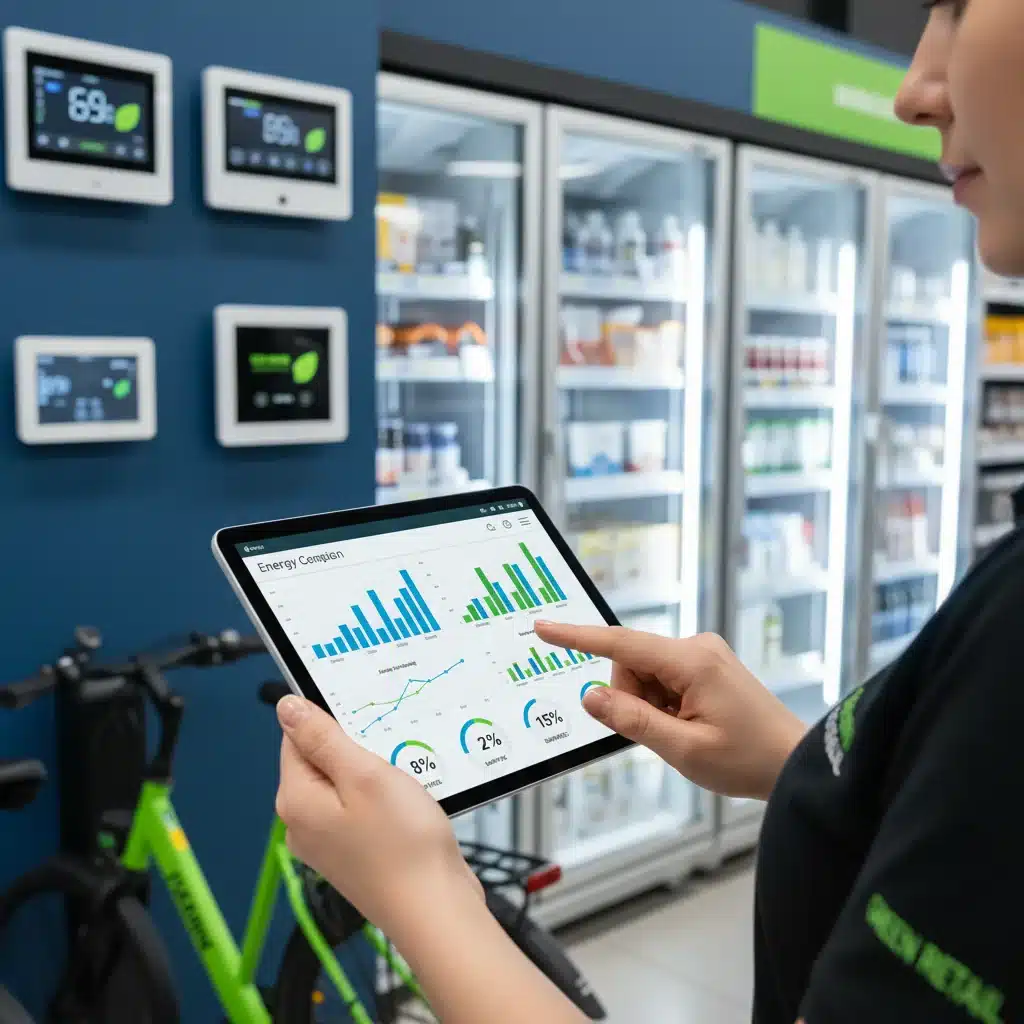
- Smart Building Management Systems (BMS): These systems integrate and automate various building functions, including lighting, HVAC, and security, allowing for precise control and optimization of energy use based on occupancy, time of day, and external weather conditions.
- Renewable Energy Sources: Investing in rooftop solar panels or purchasing renewable energy credits (RECs) can offset traditional energy costs and demonstrate a strong commitment to sustainability. While the upfront investment can be significant, long-term savings and potential tax incentives make it a viable option for many.
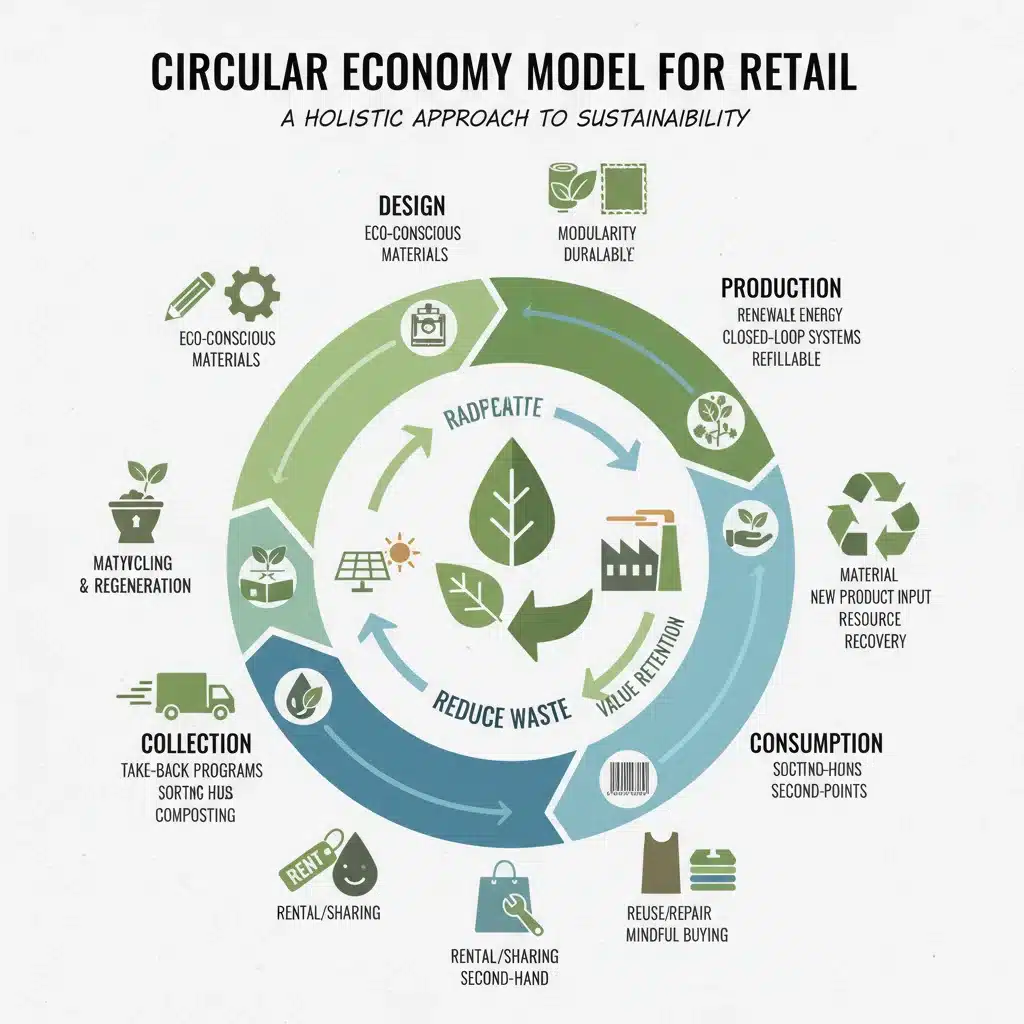
2. Waste Reduction and Circular Economy Principles
Waste management costs can be substantial, encompassing disposal fees, labor, and the cost of lost materials. Adopting a circular economy approach minimizes waste and maximizes resource utility.
- Packaging Optimization: Reducing packaging materials, using recycled content, and designing for recyclability or compostability can lower material costs and disposal fees. Exploring reusable packaging options (e.g., refill stations) also presents a significant opportunity.
- Inventory Management: Implementing advanced inventory management systems reduces overstocking, minimizes spoilage (especially for perishables), and prevents obsolete stock from becoming waste.
- Recycling Programs: Establishing robust in-store recycling programs for customers and back-of-house operations (cardboard, plastics, glass) reduces landfill contributions and can sometimes even generate revenue from recycled materials.
- Composting: For food retailers, composting organic waste significantly diverts material from landfills and can lead to reduced waste collection costs.
- Product Lifespan and Repair: Businesses can engage in circular practices by offering durable products, repair services, or take-back programs for end-of-life products, fostering customer loyalty and reducing new material consumption.
- Upcycling and Repurposing: Finding creative ways to upcycle or repurpose unsold or damaged goods, rather than discarding them, can open new revenue streams or reduce disposal costs.
3. Sustainable Supply Chain Management
The supply chain offers numerous opportunities for cost savings through efficiency and responsible sourcing. Streamlining logistics and partnering with sustainable suppliers are critical sustainable retail practices.
- Local Sourcing: Sourcing products and materials locally reduces transportation distances, lowering fuel costs and emissions. It also supports local economies and strengthens community ties.
- Efficient Logistics: Optimizing delivery routes, consolidating shipments, and using fuel-efficient vehicles can significantly cut transportation expenses. Partnering with logistics providers committed to sustainability (e.g., using electric fleets) further enhances this.
- Ethical and Sustainable Sourcing: Partnering with suppliers who adhere to fair labor practices and environmentally sound production methods can enhance brand reputation and mitigate risks associated with unsustainable practices. While sometimes perceived as more expensive upfront, these partnerships often lead to higher quality, more durable products and reduced reputational damage in the long run.
- Supply Chain Transparency: Understanding the environmental and social impact at every stage of the supply chain allows businesses to identify inefficiencies and areas for improvement, leading to better resource management and cost control.
- Reduced Packaging in Transit: Working with suppliers to reduce packaging on incoming goods minimizes waste at the retail end and can sometimes lead to lower shipping weights and costs.
4. Water Conservation Strategies
While often overlooked, water usage can contribute to operational costs, especially in regions facing water scarcity. Implementing water-saving measures is a vital aspect of sustainable retail practices.
- Low-Flow Fixtures: Installing low-flow toilets, faucets, and showerheads (in employee restrooms or facilities) can significantly reduce water consumption.
- Efficient Landscaping: For stores with outdoor spaces, using drought-resistant plants, smart irrigation systems, and rainwater harvesting can minimize water used for landscaping.
- Leak Detection and Repair: Regularly checking for and promptly repairing leaks can prevent substantial water waste and associated costs.
- Water-Efficient Appliances: Utilizing water-efficient dishwashers and washing machines (if applicable to the retail operation) can also contribute to savings.
5. Employee Engagement and Sustainable Culture
A committed workforce is central to the successful implementation of any sustainability initiative. Engaging employees fosters a culture of sustainability that can drive further efficiencies and innovations.
- Training and Education: Educating employees about sustainable practices (e.g., proper recycling, energy-saving habits) empowers them to contribute to the company’s goals.
- Incentive Programs: Rewarding employees for suggesting or implementing sustainable solutions can foster innovation and encourage participation.
- Green Teams: Establishing employee-led "green teams" can drive initiatives, monitor progress, and build a sense of collective responsibility towards sustainability.
- Remote Work Options: Where feasible, offering remote work options can reduce energy consumption in physical stores and offices, as well as employee commuting emissions.
Leveraging Technology for Sustainable Retail Practices
Technology plays a pivotal role in enabling and optimizing sustainable retail practices. From data analytics to smart infrastructure, digital tools can drive efficiency and provide measurable insights.
- IoT Sensors and Smart Devices: Internet of Things (IoT) sensors can monitor everything from energy usage in specific appliances to water leaks and indoor air quality. This real-time data allows for immediate adjustments and long-term optimization.
- AI and Machine Learning: AI can analyze vast datasets to predict energy demand, optimize inventory levels, and identify inefficiencies in the supply chain, leading to significant cost savings.
- Cloud-Based Platforms: Cloud solutions facilitate data sharing across the supply chain, enhancing transparency and collaboration for sustainable sourcing and logistics.
- Digital Signage and Paperless Operations: Replacing physical signage with digital displays and moving towards paperless receipts and internal communications reduces material waste and printing costs.
- Blockchain for Supply Chain Transparency: Blockchain technology can provide immutable records of product origins and journeys, ensuring ethical sourcing and reducing the risk of greenwashing.
Measuring Impact and Achieving the 8% Target
To effectively reduce operational costs by 8% through sustainable retail practices, businesses must establish clear metrics and consistently measure their progress.
- Baseline Assessment: Begin by conducting a thorough audit of current operational costs related to energy, waste, water, and transportation. This baseline is crucial for tracking improvements.
- Goal Setting: Set specific, measurable, achievable, relevant, and time-bound (SMART) goals for each sustainability initiative. For example, "Reduce electricity consumption by 15% in Q3 through LED upgrades."
- Monitoring and Reporting: Implement systems to continuously monitor key performance indicators (KPIs) related to sustainability. Regular reporting not only tracks progress but also highlights areas needing further attention.
- Life Cycle Assessment (LCA): Conduct LCAs for products and processes to understand their full environmental impact, identifying hidden costs and opportunities for improvement from raw material extraction to end-of-life.
- Benchmarking: Compare your sustainability performance against industry peers and best practices to identify areas where your business can improve and innovate.
By diligently tracking these metrics, US retail businesses can quantify the financial benefits of their sustainable initiatives, demonstrating a clear return on investment and validating the 8% cost reduction target.
Case Studies: Real-World Success with Sustainable Retail Practices
Numerous US retailers are already demonstrating the power of sustainable retail practices to drive both environmental and economic benefits.
- Patagonia: A leader in sustainable apparel, Patagonia’s commitment to repair, reuse, and recycled materials not only reduces waste and resource consumption but also fosters fierce customer loyalty, leading to repeat business and a strong brand image that supports premium pricing.
- Walmart: Despite its massive scale, Walmart has made significant strides in sustainability, particularly in supply chain efficiency and renewable energy. Their efforts to optimize logistics and reduce packaging have resulted in substantial cost savings, proving that even large corporations can implement impactful sustainable practices.
- REI: As a co-op focused on outdoor gear, REI prioritizes sustainability in its product offerings, store operations, and supply chain. They have invested in energy-efficient stores and robust recycling programs, aligning their values with their business model, which resonates strongly with their customer base.
- Target: Target has committed to various sustainability goals, including sourcing 100% renewable energy for its operations and designing out waste. These initiatives not only reduce their environmental footprint but also streamline operations and reduce long-term energy costs.
These examples illustrate that regardless of size or sector, a commitment to sustainable retail practices can yield significant financial and brand advantages.
Overcoming Challenges and Future Outlook
While the benefits are clear, implementing sustainable retail practices is not without its challenges. Initial investment costs, the complexity of supply chain transformation, and the need for ongoing employee training can be hurdles.
- Initial Investment: Upgrading to energy-efficient equipment or implementing new waste management systems often requires upfront capital. However, many governments offer incentives, grants, and tax breaks for sustainable investments, and the long-term operational savings typically provide a strong ROI.
- Supply Chain Complexity: Transforming a global supply chain to be more sustainable can be daunting. It requires collaboration with suppliers, robust data collection, and a phased approach.
- Consumer Education: While demand for sustainable products is growing, educating consumers about the value and benefits of sustainable options remains crucial.
Looking ahead to 2026 and beyond, the integration of sustainability into core business strategy will become non-negotiable for retail success. Advances in green technology, increased regulatory support, and evolving consumer expectations will further accelerate this trend. Retailers who proactively embrace sustainable retail practices will be best positioned to thrive, demonstrating leadership and securing a resilient, profitable future.
Conclusion: A Sustainable Path to Profitability
The journey towards sustainable retail practices is not merely an ethical obligation but a strategic imperative for US businesses. The potential to reduce operational costs by 8% by 2026 is a powerful incentive, offering a clear pathway to enhanced profitability and competitive advantage.
By focusing on energy efficiency, waste reduction, responsible supply chain management, water conservation, and strong employee engagement, retailers can build a resilient business model that benefits both the planet and their bottom line. Leveraging technology and rigorously measuring impact will be key to achieving these ambitious yet attainable goals.
Embrace the challenge, invest in a greener future, and watch as your commitment to sustainable retail practices transforms your business into a more efficient, reputable, and ultimately, more profitable enterprise. The time for sustainable action is now, and the rewards are well within reach for forward-thinking US retailers.